
There is a special kind of tired that does not politely wait until bedtime. It shows up at 2:17 p.m., stares at your to-do list like it is a brick wall, and convinces you that your best option is to become one with the couch.
Everyday fatigue is not always dramatic, but it can be relentless. It can feel like running your life with a phone battery stuck at 18 percent. You are still functioning, but everything takes more effort than it should.
Now, there is no single magic fix for low energy. Still, many people are looking for tools that support the body’s natural energy systems without leaning harder on caffeine or sugar. That is where hydrogen-rich water has gained attention. It pairs a basic need (hydration) with a potential wellness upgrade: dissolved molecular hydrogen (H2), a tiny molecule studied for its role in oxidative balance and cellular support.
Contents
Why Everyday Fatigue Happens
Fatigue is not always a sign of laziness or “low motivation.” Often, it is your body running a complicated background program. Sometimes it is sleep debt. Sometimes it is stress. Sometimes it is dehydration. Sometimes it is all of the above, plus a phone full of notifications.
Sleep Debt And Broken Sleep
You can sleep eight hours and still wake up tired if the quality is poor. Late-night screens, inconsistent schedules, alcohol too close to bedtime, and stress can all reduce deep sleep. Your body may be in bed, but it might not be truly recovering.
Dehydration That Sneaks Up
Even mild dehydration can affect mood, focus, and perceived energy. Many people only realize they are behind when they get a headache or feel “foggy.” The body is like a houseplant in this way: it does not usually announce thirst with a speech, it just starts looking droopy.
Stress And The Energy Tax
Stress is expensive. When your nervous system is stuck in alert mode, you may burn through more resources and recover less effectively. Over time, you can feel tired even when you have not done anything “physical.” Mental load counts.
Oxidative Load And Recovery
Exercise, inflammation, poor sleep, and environmental factors can increase oxidative stress. Some oxidative activity is normal, but chronic excess can make recovery harder. That “tired but wired” feeling can be part of the picture.
What Hydrogen-Rich Water Is And Why It Might Help
Hydrogen-rich water is regular drinking water with additional dissolved molecular hydrogen gas (H2). Researchers have studied molecular hydrogen for its potential influence on oxidative stress pathways and inflammation signaling. For people dealing with everyday fatigue, that is appealing because oxidative balance and mitochondrial function are tied to how you experience energy and recovery.
Hydrogen And The Mitochondria Connection
Mitochondria are the energy factories in your cells. When they are stressed, energy can feel less reliable. Hydrogen is being studied for how it may support cellular balance, which can be relevant to recovery and resilience. In plain language: some people use hydrogen water to help their internal engine run a bit cleaner.
A Support Tool, Not A Stimulant
Hydrogen water is not a stimulant. That matters. Many tired people are already leaning on coffee, energy drinks, or sugary snacks. Hydrogen water is usually used as a steady support habit, something that can complement better hydration and recovery without adding more “up” signals to the nervous system.
Why People Like The Simplicity
Wellness routines often fail because they are too complicated. Hydrogen water has a built-in advantage: you are already drinking water. If you can turn one daily drink into a higher-quality wellness moment, it feels doable.
Practical Ways To Use Hydrogen Water For Energy Support
If you want to use hydrogen-rich water to support energy, treat it like a habit, not a one-time experiment. Here are realistic ways people build it into daily life.
Morning Reset
Many people start their day with hydrogen water before coffee. This can support hydration after sleep and may help set a steadier baseline. Even if you still enjoy coffee, you might find it works better when you are not dehydrated.
Midday Slump Strategy
If your energy crashes after lunch, try hydrogen water as your first move. Sometimes the slump is dehydration, sometimes it is blood sugar swings, and sometimes it is stress. Water is a low-risk first step, and hydrogen water adds potential cellular support on top.
Workout And Recovery Timing
Hydrogen water is popular around exercise because training increases oxidative load. Drinking it before or after workouts is a common approach. It is not a replacement for protein, stretching, or sleep, but it can be part of a recovery-friendly routine.
Drink It Fresh
Hydrogen dissipates from water over time, especially once a container is opened. If you make hydrogen water at home, drinking it soon after it is produced is a simple way to get more of what you are aiming for.
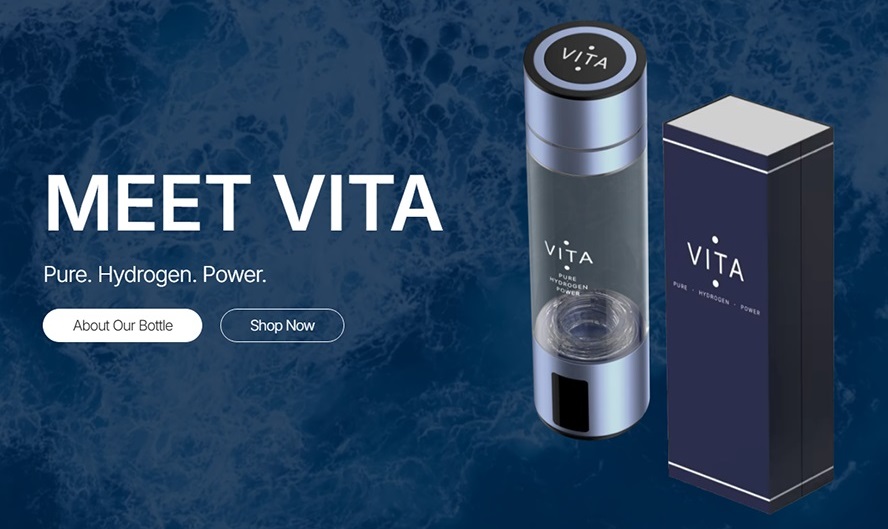
Pair Hydrogen Water With The “Big Three” Energy Habits
If your goal is less fatigue, hydrogen water works best when it is paired with basics that support your biology. Think of hydrogen water as a helpful teammate, not a solo hero.
Habit One: Protect Sleep Like It Is A Paycheck
Try a consistent bedtime, dim lights in the evening, and a short wind-down routine. Even ten minutes of calmer input can help. Your body is not a machine, but it does appreciate a shutdown sequence.
Habit Two: Eat For Stable Energy
Balance meals with protein, fiber, and healthy fats. If lunch is mostly refined carbs, your energy might roller-coaster. A steadier plate often means a steadier afternoon.
Habit Three: Move Daily, Even If It Is Small
Gentle movement improves circulation, mood, and sleep quality. A walk counts. Stretching counts. Dancing badly in your kitchen counts too, and it also improves morale.
Hydrogen water can fit nicely into this bigger system. It supports hydration, and the hydrogen component may offer added support for oxidative balance, which some people find helpful for recovery and day-to-day energy feel.
Choosing A Quality Hydrogen Source
Not all hydrogen water products deliver the same results. If you are considering hydrogen water for fatigue support, quality matters because you want consistent hydrogen levels and clean production.
Look For Measurable Hydrogen Output
Hydrogen concentration is often listed in ppb or mg/L. Clear numbers are more informative than vague claims. ORP can be a supporting detail, but it is not a direct measurement of dissolved hydrogen.
Key Takeaways
- Everyday fatigue can come from sleep debt, dehydration, stress, and oxidative load.
- Hydrogen-rich water is water with dissolved H2, studied for its potential support of oxidative balance and cellular resilience.
- It is not a stimulant, making it attractive for people who want steadier energy without extra caffeine.
- Drink hydrogen water fresh, and pair it with sleep, stable meals, and daily movement.
- Quality matters, look for measurable hydrogen output and a design that supports purity.
Frequently Asked Questions
Will Hydrogen Water Give Me An Instant Energy Boost?
Hydrogen water is not a stimulant, so most people do not feel a sudden “kick.” It is more commonly used as a steady support habit tied to hydration and recovery.
When Is The Best Time To Drink Hydrogen Water For Fatigue?
Many people like it in the morning, during the afternoon slump, or around workouts. The best time is the one you will do consistently.
Can Hydrogen Water Replace Coffee?
It can complement your routine, but it is not a direct replacement for caffeine. Some people find they rely less on coffee when hydration and recovery improve, but results vary.
How Do I Know If My Hydrogen Water Is High Quality?
Look for clear dissolved hydrogen concentration numbers (ppb or mg/L), thoughtful design for purity, and a routine that lets you drink it soon after it is produced.