
Recovery is where the magic happens. You lift, run, work, parent, stress, sleep (hopefully), and somewhere in that cycle your body tries to repair, rebuild, and reset. When recovery is solid, you feel resilient. When it is not, everything feels harder than it should, like you are trying to jog through wet sand.
Molecular hydrogen (H2) has become a popular topic in recovery circles because it is studied for its potential role in oxidative stress balance and inflammation-related signaling. People use it in two main ways: drinking hydrogen-rich water or using hydrogen gas inhalation.
Both approaches aim to deliver H2, but they differ in intensity, convenience, cost, and safety considerations. Here we break down what each method is, why people choose one over the other, and how to think about quality so you can make a sensible decision without turning your wellness routine into a part-time job.
Contents
- Why Recovery Support Matters So Much
- What Molecular Hydrogen Is Doing In This Conversation
- Hydrogen Water: The Daily Driver Option
- Hydrogen Inhalation: The More Intense, More Technical Option
- How To Choose Between Hydrogen Water And Inhalation
- Quality Matters For Both Methods
- Key Takeaways
- Frequently Asked Questions
Why Recovery Support Matters So Much
Recovery is not just for athletes. If you are dealing with long workdays, inconsistent sleep, frequent travel, or a season of high stress, your body is still doing recovery work. The stress might be physical, mental, or both, but the repair process still requires resources.
Oxidative Stress And Inflammation: The Usual Suspects
Training, injury, poor sleep, and psychological stress can increase oxidative stress and inflammatory signaling. Some of that is normal and even useful. The problem is chronic overload, when you never fully reset.
Mitochondria And “Bounce-Back” Energy
Mitochondria power your cells. If they are strained, you may notice slower recovery, less reliable energy, and more soreness. Recovery habits that support cellular balance can improve your “bounce-back” feeling over time.
What Molecular Hydrogen Is Doing In This Conversation
Molecular hydrogen (H2) is a small, neutral gas. Researchers have studied it for potential antioxidant and signaling effects. You will often hear it described as a selective antioxidant, meaning it may help calm certain problematic reactive molecules without wiping out all reactive signals that your body uses for adaptation.
That is one reason hydrogen is interesting for recovery. Exercise and stress both create reactive molecules. If hydrogen supports oxidative balance, it may support a smoother recovery experience for some people.
Hydrogen Water: The Daily Driver Option
Hydrogen-rich water is regular drinking water with additional dissolved H2. It is the most common entry point because it is familiar and easy to integrate.
Pros Of Hydrogen Water
- Convenient: fits into normal hydration habits.
- Lower barrier to entry: many formats exist (home machines, tablets, pre-packaged options).
- Daily consistency: easier to do regularly, which matters for wellness routines.
- Hydration benefits: even before you consider the hydrogen, drinking more water supports recovery.
Cons Of Hydrogen Water
- Hydrogen dissipates: H2 escapes over time, especially after opening a container.
- Quality varies: some products deliver low hydrogen levels or rely on vague marketing.
- Dose can be modest: compared with inhalation, hydrogen water may deliver a smaller amount of H2 per session, depending on concentration and how much you drink.
Best Use Cases
Hydrogen water is often a great fit if you want steady, day-to-day support, especially around workouts, stressful workdays, or general wellness routines. It is also a practical “first step” to see how hydrogen feels in your body without changing your whole life.
Hydrogen Inhalation: The More Intense, More Technical Option
Hydrogen inhalation delivers H2 gas through breathing, typically via a cannula or mask connected to a hydrogen generator. This approach is sometimes used in wellness clinics and by home users with appropriate equipment and safety awareness.
Pros Of Hydrogen Inhalation
- Direct delivery: inhalation can deliver H2 efficiently through the lungs.
- Often used for targeted sessions: some people prefer a defined “recovery session” rather than multiple drinks.
- May be appealing for higher-demand recovery: athletes, intense training blocks, or people who want a stronger routine.
Cons And Cautions
- More complexity: equipment, setup, and maintenance are more involved.
- Not ideal for casual use: it is less “grab and go” than hydrogen water.
How To Choose Between Hydrogen Water And Inhalation
Choosing between these options is less about which one is “better” and more about which one fits your goals and your life.
If You Want Convenience And Consistency
Hydrogen water usually wins. It is easy to drink daily and easy to pair with workouts. Consistency is often the deciding factor for wellness outcomes.
If You Want A Dedicated Recovery Session
Inhalation may feel more intentional. Some people like sitting down for 20 to 60 minutes and making recovery the point of that time. Think of it like the difference between “daily stretching” and “a massage appointment.” Both can help, but they live differently in your schedule.
If You Are New To Hydrogen
Starting with hydrogen water is often the simplest route. You learn how your body responds and you can build the habit without investing in a more complex setup immediately.
Quality Matters For Both Methods
Hydrogen is not hard to talk about, but it can be hard to deliver well. Quality is the difference between a meaningful routine and a fancy placebo.
For Hydrogen Water: Look For Measurable Concentration
Transparent dissolved hydrogen concentration numbers (ppb or mg/L) matter more than buzzwords. Also remember freshness, drink it soon after it is produced.
For Inhalation: Look For Safety And Engineering
Inhalation equipment should be designed with safety in mind, including appropriate concentration management and usage guidelines. Avoid improvised setups. This is not the place for “DIY science.”
Why People End Up Choosing A System That Does Both
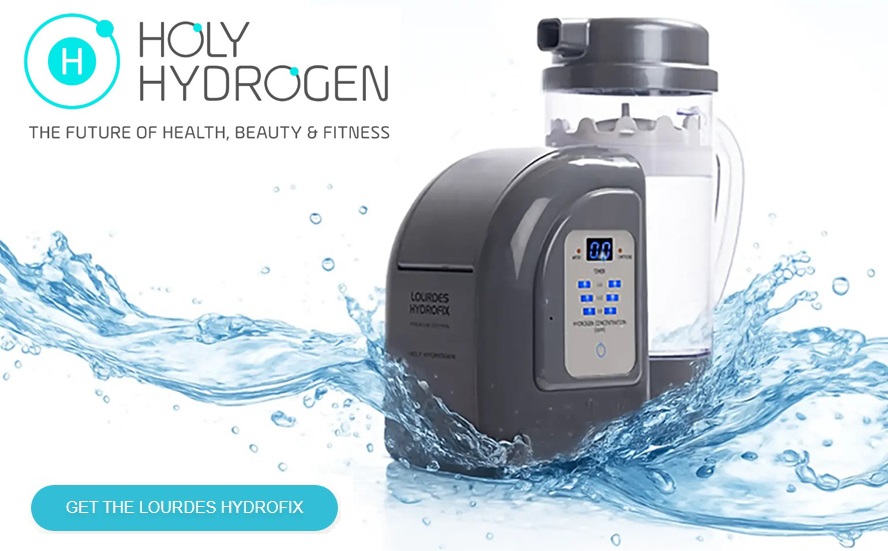
Some advanced systems, such as the Lourdes Hydrofix from Holy Hydrogen, are designed to produce high-purity hydrogen for both water and inhalation. For people who want flexibility, that can be appealing: hydrogen water for daily habits, inhalation for deeper recovery sessions.
Key Takeaways
- Hydrogen water and hydrogen inhalation both deliver molecular hydrogen (H2), but in different ways.
- Hydrogen water is convenient and easy to use daily, making it a strong “consistency” option.
- Inhalation can feel more intensive and session-based, but requires more equipment and safety awareness.
- Quality matters: look for measurable hydrogen output for water, and strong engineering and safety features for inhalation.
- Hydrogen works best alongside core recovery habits like sleep, nutrition, and smart training.
Frequently Asked Questions
Which Is Better For Recovery: Hydrogen Water Or Inhalation?
It depends on your goals and lifestyle. Hydrogen water is easier for daily use, while inhalation may be preferred for more intentional recovery sessions. Consistency and safety are the main deciding factors.
How Quickly Should I Drink Hydrogen Water After Making It?
Because hydrogen dissipates over time, drinking hydrogen water soon after production is a common approach to preserve dissolved H2 levels.
Can I Use Both Hydrogen Water And Inhalation?
Some people use hydrogen water daily and reserve inhalation for deeper recovery sessions. If you do both, prioritize quality equipment and safe practices.