Most of us have had a day where everything feels heavier than it should. Your legs feel like they are moving through wet cement, your thoughts move slower than usual, and even small tasks feel oddly tiring. It is tempting to chalk it up to “just one of those days.” Sometimes it is. But sometimes that drained feeling is a clue about what is happening at the cellular level.
Your body runs on energy your cells can actually use, not just energy you ate on paper. When cells struggle to produce enough of that usable energy, you can feel it as fatigue, brain fog, poor exercise tolerance, and slower recovery. The culprit is not always one single thing, but the common theme is a drop in cellular power.
Cellular Energy 101: Your Body Spends ATP
Inside your cells, the main energy currency is ATP (adenosine triphosphate). ATP powers muscle contractions, nerve signaling, hormone production, detox processes, and tissue repair. You do not store much ATP at once, so your cells must make it continuously.
The Mitochondria Connection
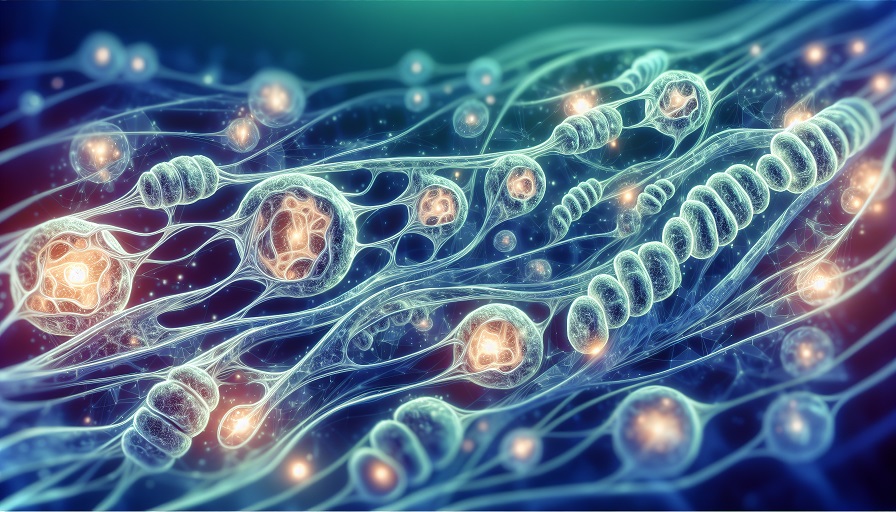
Mitochondria are structures inside cells that help convert nutrients and oxygen into ATP. They are like a network of power plants spread throughout your body. Some tissues, like the heart, muscles, and brain, have especially high energy needs, which is why they can be the first places you notice problems when energy feels low.
What It Feels Like When Cells Run Low On Power
Low cellular energy does not always feel dramatic. It often shows up as a pattern: a slower start in the morning, an afternoon crash, or feeling wiped out by things that used to feel easy. Here are some of the most common ways it can appear in daily life.
Fatigue That Does Not Match Your Day
If you feel tired even on “normal” days, it may be a sign your body is working harder behind the scenes than you realize. Your immune system, repair processes, and stress response all require energy. You might look inactive on the outside while your body is busy on the inside.
Brain Fog And Reduced Mental Stamina
The brain is an energy-intensive organ. If you have trouble focusing, feel mentally “muddy,” or find it harder to recall words and names, cellular energy may be part of the picture. Sleep, hydration, stress, and blood sugar stability also play major roles, but they all connect back to energy demand and supply.
Lower Exercise Tolerance And Slower Recovery
When mitochondria are producing ATP efficiently, activity tends to feel manageable and recovery tends to be smoother. When ATP production is strained, workouts can feel harder than expected, and you may feel sore or depleted longer than usual.
More Cravings For Quick Fuel
When energy feels low, the brain often asks for the fastest available solution. That can mean cravings for sugar, refined carbs, and caffeine. These can provide a short-term boost, but they do not always support long-term stability, especially if they lead to blood sugar swings and disrupted sleep.
Common Reasons Cells Struggle To Produce Energy
Cellular energy depends on a chain of steps: fuel availability, oxygen delivery, hormonal signals, and the ability of mitochondria to convert nutrients into ATP. When any part of that chain is strained, output can drop. Here are some of the most common factors.
Not Enough Sleep Or Irregular Sleep
Sleep is not just rest. It is when the body coordinates repair, inflammation control, and metabolic regulation. Chronic short sleep can make energy production feel less efficient, even if you are eating well.
Blood Sugar Instability
Meals heavy in refined carbs and added sugars can lead to rapid spikes and drops for some people. Those swings can feel like energy highs and crashes, irritability, and hunger that shows up “too soon.” Steadier meals often translate to steadier energy.
Chronic Stress And High Demand Living
Acute stress is normal. Chronic stress is different. It can change sleep quality, appetite, digestion, and inflammation, all of which influence energy. If your nervous system is always on high alert, your body can feel like it is running expensive background programs all day.

Nutrient Gaps
Your mitochondria rely on micronutrients and supportive compounds to do their work. You can get enough calories and still be short on the “helpers” that make energy conversion run smoothly. Diet quality, absorption issues, and restrictive eating patterns can all contribute.
Too Little Movement
It sounds backwards, but gentle, consistent movement often improves energy. Movement helps the body handle fuel better and supports healthy mitochondrial maintenance. Being sedentary can make the energy system feel sluggish over time.
Too Much Of The Wrong Kind Of Movement
On the flip side, training hard without enough recovery can also drain energy. If you constantly feel sore, irritable, and worn down, you might be under-recovering. The body adapts to exercise during recovery, not during the workout itself.
How The Body Adapts When Energy Is Low
When your cells run low on usable energy, your body often shifts into conservation mode. This can be subtle, but it affects how you feel.
You May Feel Less Spontaneous “Get Up And Go”
Instead of feeling naturally motivated to move, you may need to push yourself more. This is not a character flaw. It is sometimes the body protecting resources.
Mood And Patience Can Take A Hit
Energy supports emotional regulation. When energy is low, people often feel more irritable and less resilient. This is one reason sleep deprivation can make everything feel personally offensive, including the sound of a chewing neighbor.
Recovery Priorities Can Shift
If energy supply is strained, the body may prioritize essential functions and reduce energy available for non-urgent repairs. Over time, that can feel like slower bounce-back from physical and mental stress.
Practical Ways To Support Cellular Power
You cannot “force” energy with willpower. But you can support the conditions that help your cells do their job. These strategies are simple, but they are not always easy. Start with the ones that feel most doable.
Make Breakfast And Lunch More Stable
If you crash in the afternoon, look at the meals leading up to it. Including protein, fiber, and healthy fats often helps smooth out energy. For example, eggs with vegetables and fruit tends to land differently than a pastry and coffee.
Walk After Meals
A short walk after meals can support blood sugar management and digestion. It also signals your body to keep the energy system tuned up. You do not have to “work out” to get benefits from movement.
Protect Sleep Consistency
Try to keep the same wake time most days, even on weekends. Dim lights and screens before bed if possible. A simple wind-down routine, even 15 minutes, can improve sleep quality over time.
Hydrate Earlier In The Day
If you wait until you feel thirsty, you might already be behind. Hydration supports circulation, oxygen delivery, and overall function. If you sweat a lot, consider how you replace electrolytes through food and balanced hydration.
Use Stress Resets Like A Tool, Not A Treat
Instead of waiting for burnout, add tiny resets during the day: two minutes of slow breathing, a quick walk outside, stretching, or a short chat with someone who makes you laugh. These are not indulgences, they are maintenance.
The Takeaway: Low Power Has Many Faces
When cells run low on usable energy, the effects can show up as fatigue, brain fog, cravings, reduced stamina, and slower recovery. Mitochondria help produce ATP, the energy your body spends every second, so supporting sleep, nutrition quality, movement, hydration, and stress regulation can make a real difference.