If you ask people what they want as they age, the answers are usually simple: more good days than bad ones, a body that still feels capable, and a mind that stays sharp enough to enjoy it all. That is not vanity, it is quality of life.
Healthy aging is often discussed in big terms like longevity, metabolism, inflammation, and cognition. But the truth is, it all funnels down to something very small and very practical: how well your cells make and use energy.
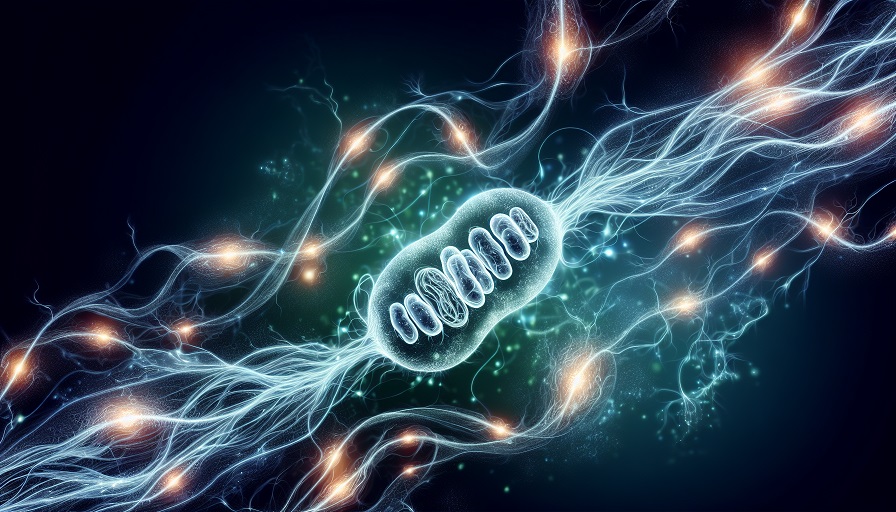
That brings us to mitochondria, the “cellular powerhouses.” Mitochondria are structures inside your cells that help turn nutrients and oxygen into ATP (adenosine triphosphate), the energy currency your body spends every second. When mitochondrial function is strong, daily life tends to feel smoother. When it is strained, aging can feel like you are walking through life with a heavier backpack.
Mitochondria And ATP: The Engine Behind Vitality
Your body does not run on calories directly. Calories tell you how much potential energy is in food. Your cells run on ATP, which is usable, immediate energy. ATP is what powers muscle contraction, nerve signaling, hormone production, and tissue repair.
Why You Notice ATP Changes As You Age
You do not store much ATP. Your cells make and spend it continuously. Over time, if energy production becomes less efficient or if demand increases, you feel it as lower stamina, slower recovery, and less tolerance for poor sleep or a stressful week.
Why High Energy Tissues Matter Most
The heart, brain, and skeletal muscles are energy hungry. They contain many mitochondria because they need steady ATP output. This is one reason “aging” often shows up as a mix of physical fatigue and mental fatigue, not just one or the other.
How Mitochondria Shape The Body’s Aging Experience
Mitochondria do more than produce energy. They influence cellular stress response and internal maintenance. As a result, they touch many of the systems people care about when they think about aging well.
Muscle Strength, Mobility, And Independence
Strength is not only a gym goal. It is a daily life goal. Getting up from the floor, carrying groceries, climbing stairs, and keeping balance all rely on muscle function and energy availability. Because muscles use a lot of ATP, mitochondria play a role in how strong and resilient you feel, especially during activity and recovery.
Metabolic Health And Stable Energy
Metabolism is not just about weight. It is about how your body handles fuel. When the body uses glucose and fat efficiently, energy tends to feel steadier. When fuel handling is rocky, energy can feel like highs and crashes. Movement, muscle mass, sleep, and stress all influence this, and mitochondria sit in the middle because they help convert fuel into ATP.

Brain Energy And Mental Stamina
The brain runs on a large share of your body’s energy budget. Focus, memory, and mood regulation rely on steady energy supply. Many people notice that mental stamina changes with age, especially if sleep is inconsistent or stress is chronic. Supporting cellular energy helps support the foundation of cognitive performance.
Recovery And Resilience
Recovery is not passive. Repairing tissue, adapting to training, and regulating inflammation all require energy. If recovery feels slower as you get older, it often reflects a tighter cellular energy budget. When you improve the inputs that support energy, recovery tends to improve too.
Daily Habits That Support Mitochondria And Healthy Aging
The best part of this conversation is that mitochondria respond to lifestyle signals. You cannot control every aspect of aging, but you can shape the environment your cells operate in. These habits are not trendy. They are effective because they support multiple systems at once.
Strength Training Builds A Bigger Buffer
Resistance training supports muscle mass, bone density, balance, and metabolic health. It also makes daily tasks feel less demanding. You do not need complicated programming. Two to four sessions per week using basic movements can change how capable you feel over time.
Daily Movement Keeps The System Responsive
Walking is one of the simplest “keep things running” habits. It supports circulation, mood, and blood sugar management. A short walk after meals can be especially useful for stable energy. If your day involves a lot of sitting, set a small goal to stand and move for a few minutes each hour.
Eat For Nutrient Density And Fuel Stability
A practical approach: build meals around protein, add colorful plants, include quality fats, and choose carbs that provide steady energy. Whole foods like beans, lentils, oats, potatoes, fruit, and whole grains often support more stable energy than refined carbs alone. Hydration matters too, because circulation and oxygen delivery influence energy production.
Sleep Consistency Pays Off More Than People Expect
Sleep supports repair and metabolic regulation. Try to keep a consistent wake time, get morning light, and reduce bright screens close to bedtime. When sleep improves, many people notice better energy, better cravings control, and better recovery.
Stress Management Improves The Energy Budget
Chronic stress drains energy by increasing demand and disrupting sleep. Small, repeatable resets work well: two minutes of slow breathing, a quick outdoor walk, light stretching, or a quiet break. These habits tell your nervous system to step out of “always on” mode, which supports steadier energy over time.
Nutrients Often Discussed For Mitochondrial Support
In conversations about mitochondrial health, a few nutrients come up frequently. Niacinamide (a form of vitamin B3) is involved in cellular energy pathways. D-ribose is a building block used in ATP-related compounds. Resveratrol, a plant compound found in foods like grapes and Japanese knotweed extracts, is widely studied for its relationship to cellular aging and stress response. Many people include these as part of a broader strategy for supporting cellular energy and healthy aging.
The Takeaway: Healthy Aging Is Powered From The Inside Out
Healthy aging depends on what your body can do, not just how it looks. Mitochondria influence that ability by helping your cells produce ATP, the usable energy that powers movement, cognition, and recovery. When you support mitochondrial function through strength training, daily movement, nutrient-dense meals, consistent sleep, hydration, stress resets, and supportive nutrients like niacinamide, D-ribose, and resveratrol, you build a stronger foundation for feeling capable as the years add up.