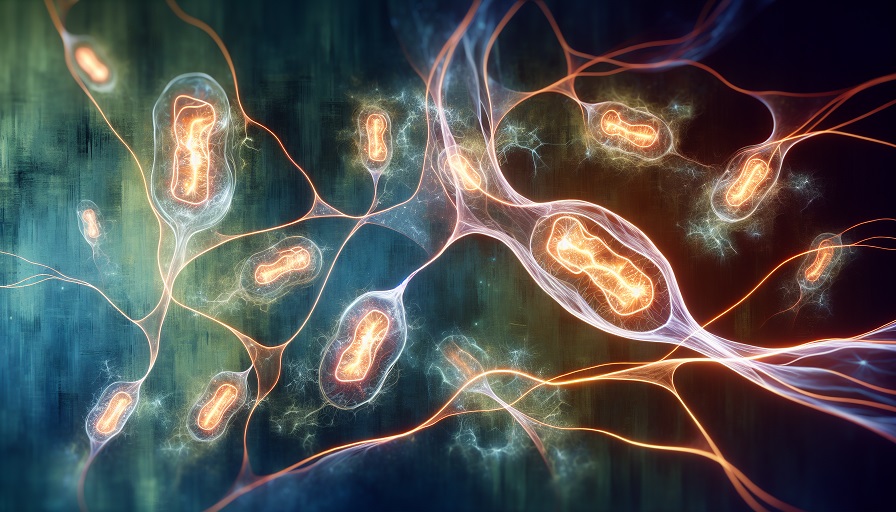
It is easy to think of “energy” as something you either have or do not have, like a light switch. But inside your body, energy is not a mood. It is a constant production job. Every organ in your body depends on usable energy to do its work, and that work never fully stops.
Your cells spend ATP (adenosine triphosphate) to power everything from heartbeat to digestion to memory. Mitochondria, the “powerhouses” inside cells, help convert nutrients and oxygen into ATP. This is why energy production is not only about feeling less tired. It is about how well your organs can do their daily jobs without strain.
When energy production is strong, body systems tend to cooperate. When energy production is strained, the body often feels it in multiple places at once: brain fog, low stamina, slower recovery, digestive sluggishness, and mood changes. The reason is simple. All organs run on the same energy currency.
ATP: The Currency Every Organ Uses
ATP is the cell’s immediate energy currency. Your cells make ATP and spend it continuously. You do not keep a large stockpile, so energy production must be reliable.
Why “Enough Calories” Does Not Always Equal “Enough Energy”
Calories measure potential energy in food. ATP is usable energy inside the body. Between calories and ATP is a whole pipeline: digestion, absorption, hormone signaling, oxygen delivery, and cellular conversion. If any step is strained, you may feel low energy even with adequate calorie intake.
Mitochondria Make The System Work
Mitochondria help convert nutrients and oxygen into ATP. They are concentrated in tissues with high energy needs. This is why some organs feel the impact of energy dips more quickly than others.
The Heart: A Nonstop Energy Consumer
Your heart beats about 100,000 times per day, give or take, without you having to remember to do it. That constant work requires a steady supply of ATP.
Why Heart Cells Have Many Mitochondria
Heart muscle cells are packed with mitochondria because the heart cannot take breaks. Energy production is not optional here. This is also why overall metabolic health, oxygen delivery, and nutrient status can influence how your cardiovascular system feels during activity.
The Brain: High Performance, High Energy
The brain is an energy-demanding organ because it maintains electrical gradients, processes information, and manages neurotransmitter activity constantly. Focus and mental stamina are energy outcomes.
Brain Fog Often Reflects An Energy Bottleneck
Sleep debt, dehydration, blood sugar swings, and chronic stress can strain brain energy supply. When that happens, cognition can feel slower and less reliable. Supporting cellular energy often supports clarity.

The Muscles: Movement And Metabolic Support
Muscles do more than help you lift things. They support metabolic health, glucose handling, posture, balance, and physical resilience. Muscle tissue uses ATP for contraction and recovery.
Why Movement Often Creates More Energy
It sounds backward, but consistent movement supports energy production. Walking and strength training signal the body to maintain energy systems, and many people feel clearer and more energetic when movement is a daily habit.
The Liver: Metabolic Control Center
The liver is deeply involved in fuel management. It stores glycogen, helps regulate blood sugar, processes fats, and supports detoxification pathways. These functions require energy.
Energy Production And Fuel Stability
When fuel handling is stable, energy tends to feel steadier. When fuel handling is unstable, the body can experience swings in energy and cravings. Supporting blood sugar stability with balanced meals and movement helps reduce the metabolic stress that can drain energy.
The Gut: Digestion Is Work
Digestion is not passive. The gut coordinates muscle contractions, enzyme release, absorption, and communication with the nervous system. All of this requires ATP.
Why Eating Patterns Can Affect Energy
Highly processed meals and irregular eating patterns can lead to blood sugar swings and digestive strain for some people. When digestion is uncomfortable or inconsistent, it can affect energy and mood. Meals built around protein, fiber-rich plants, and quality fats often support steadier digestion and steadier energy.
The Immune System: Energy Behind The Scenes
Your immune system is constantly monitoring for threats and maintaining balance. When the immune system becomes more active, the body often reallocates energy toward defense and repair. This is why you can feel tired when fighting something off, even if you are not physically active.
Recovery Requires ATP
Repairing tissue and regulating inflammation are energy-intensive. Supporting sleep, nutrition quality, and stress management helps the body maintain a healthier energy balance when recovery demands rise.
How To Support Healthy Energy Production Across Organs
You do not need separate routines for each organ. You need habits that improve the energy environment for the whole body. When you support the basics, multiple systems tend to improve together.
Eat For Stability And Nutrient Density
Build meals around protein, colorful plants, and quality fats, then add carbohydrates that provide steady energy. Many people do best when breakfast and lunch are balanced, since those meals set the tone for the afternoon.
Move Daily And Strength Train Regularly
Walking supports circulation and blood sugar management. Strength training supports muscle mass and metabolic resilience. These habits support energy production and make daily life feel less expensive.
Protect Sleep And Recovery
Sleep supports repair, hormone regulation, and brain recovery. Consistent wake times, morning light exposure, and reduced screens at night can improve sleep quality and, in turn, improve energy.
Support Mitochondria With Key Nutrients
Some nutrients are frequently discussed in relation to mitochondrial function and cellular energy. Niacinamide (a form of vitamin B3) supports energy pathways. D-ribose is a building block used in ATP-related compounds. Resveratrol, a plant compound, is widely studied for its relationship to cellular aging and stress response. Many people include these nutrients alongside foundational habits to support whole-body vitality.
The Takeaway: Organs Run On Energy, Not Guesswork
Every organ depends on ATP to function. Mitochondria help produce that ATP from nutrients and oxygen, which is why cellular energy production influences the whole body: heart function, brain clarity, muscle performance, digestion, liver metabolism, and immune resilience. When you support sleep, stable meals, hydration, movement, stress management, and nutrients like niacinamide, D-ribose, and resveratrol, you support the shared foundation that helps every organ do its job more smoothly.