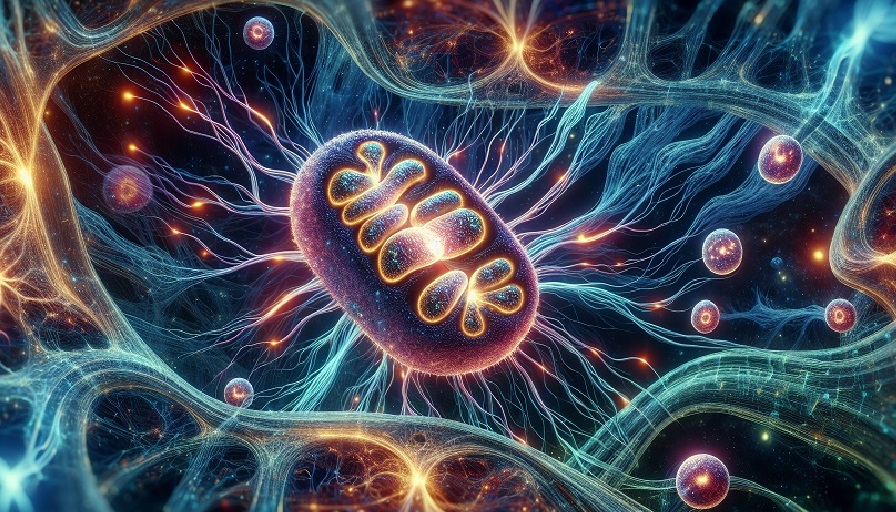
When people think about energy, they usually think about sleep or caffeine. But the kind of energy that powers your heart, brain, muscles, and immune system is produced inside your cells, all day long. Your body is running a factory that never closes, and the factory needs raw materials.
Your cells run on ATP (adenosine triphosphate), the usable energy currency your body spends to do work. Mitochondria, the “powerhouses” inside cells, help convert nutrients and oxygen into ATP. That process is not a single switch. It is a chain of steps, and each step relies on nutrients that act like tools, connectors, and spark plugs.
So if you have ever wondered why “I eat enough” does not always equal “I feel energized,” this is a big part of the answer. Calories provide fuel. Nutrients help your cells turn that fuel into usable power.
Energy Production Is A Nutrient-Dependent Process
ATP production depends on carbohydrates and fats as fuel, plus vitamins, minerals, and supportive compounds that help energy pathways run efficiently. Your body can sometimes “make do” for a while, but nutrient gaps often show up as lower stamina, brain fog, slower recovery, and that familiar feeling of being drained.
Fuel Needs Helpers
Think of fuel like wood and the energy pathway like a fireplace. You can have plenty of wood, but if you do not have oxygen and a spark, you are not getting much heat. Micronutrients often act like the spark and oxygen of energy production: they enable reactions to happen smoothly.
Mitochondria Are Where The Magic Happens
Mitochondria help convert nutrients and oxygen into ATP through a series of biochemical steps. High-demand tissues like the brain, heart, and muscles have many mitochondria because they need constant energy output.
Core Nutrients That Support Efficient ATP Production
There are many nutrients involved in energy metabolism, but a few categories show up repeatedly because they support the most essential pathways. This is not a complete medical list. It is a practical map of the nutrients most commonly connected to cellular energy.
B Vitamins: The Energy Pathway Team
B vitamins are frequently discussed in energy metabolism because they support processes that help convert food into usable energy. Different B vitamins support different steps, including carbohydrate metabolism, fat metabolism, and red blood cell support.
- Vitamin B1 (thiamine): supports carbohydrate metabolism and energy-related enzyme activity.
- Vitamin B2 (riboflavin): supports energy production reactions and antioxidant systems.
- Vitamin B3 (niacin): supports NAD-related pathways involved in cellular energy.
- Vitamin B5 (pantothenic acid): supports coenzyme A production, involved in energy metabolism.
- Vitamin B6: supports amino acid metabolism and neurotransmitter-related pathways.
- Vitamin B9 (folate) and B12: support red blood cell formation and nervous system function.
One form of vitamin B3 that is often discussed for cellular energy pathways is niacinamide.
Magnesium: A High-Impact Mineral
Magnesium is involved in many enzymatic reactions and is frequently associated with energy and muscle function. It also supports relaxation and nervous system balance, which can indirectly support energy by improving sleep quality for some people.
Iron: Oxygen Delivery Matters
Energy production depends on oxygen delivery. Iron supports hemoglobin, which carries oxygen in the blood. When oxygen delivery is compromised, energy can feel lower. Iron status should be evaluated clinically if deficiency is suspected, because supplementation is not appropriate for everyone.
CoQ10 And Related Energy Cofactors
Coenzyme Q10 (CoQ10) is often discussed in relation to mitochondrial energy production because it participates in steps involved in cellular energy generation. The body makes CoQ10, and it is also found in certain foods.
Healthy Fats: Fuel And Cell Structure
Fats are not only fuel, they are part of cell membranes and hormone production. A diet that includes quality fats can support stable energy and reduce reliance on refined carb spikes. Omega-3 fats are frequently discussed for brain health and inflammation balance, which can influence how energy feels over time.
Nutrients Often Mentioned In Mitochondrial Support Conversations
Alongside the foundational vitamins and minerals, a few nutrients are frequently highlighted in discussions of mitochondrial function and ATP support.
Niacinamide
Niacinamide is a form of vitamin B3 involved in cellular energy pathways. It is often discussed in the context of NAD-related processes that support energy metabolism.
D-Ribose
D-ribose is a naturally occurring sugar that serves as a building block used in ATP-related compounds. Because of this, it is frequently discussed in conversations about cellular energy and recovery support.
Resveratrol
Resveratrol is a plant compound found in certain foods and also derived from sources like Japanese knotweed. It is widely studied for its relationship to cellular aging and stress response, which makes it a common topic in cellular health discussions.
How To Eat For Steadier Cellular Energy
You do not need a perfect diet to support cellular energy. You need consistent patterns that provide nutrient density and fuel stability.
Build Meals Around Protein And Plants
Protein supports muscle and recovery, and plant foods provide vitamins, minerals, and beneficial compounds. Aim to include protein at meals and add colorful plants daily. Many people notice better energy when breakfast and lunch are balanced.
Choose Carbs That Support Stable Energy
Carbohydrates are not the enemy. The issue is often refined carbs that spike and crash energy. Whole food carbs like fruit, beans, oats, and potatoes tend to support steadier fuel for many people.
Include Quality Fats
Quality fats support hormone production and help meals feel more satisfying. Nuts, seeds, olive oil, avocado, and fatty fish are examples that also contribute micronutrients.
Hydration And Minerals Matter
Hydration supports circulation and oxygen delivery. Minerals help support electrical signaling and muscle function. If you sweat often or drink a lot of caffeine, steady hydration can make a noticeable difference in how energy feels.
The Takeaway: Efficient Energy Needs The Right Inputs
Cells produce usable energy by turning fuel and oxygen into ATP, and mitochondria play a central role in that conversion. Efficient energy production relies on nutrient helpers, including B vitamins, magnesium, iron for oxygen delivery, and compounds like CoQ10. Nutrients often discussed for mitochondrial support, including niacinamide, D-ribose, and resveratrol, also fit naturally into the broader conversation about supporting cellular energy. When meals are nutrient-dense, fuel is stable, and recovery is supported through sleep and movement, energy tends to feel steadier and more reliable.