Most people judge food by how it tastes or what it does to the scale. But your body judges food by a different metric: can I use this to produce steady, usable energy?
That question matters because you are not only eating for today. You are feeding the systems that decide how you feel next week, next month, and next year. Over time, diet choices shape cellular power, which shapes stamina, mood, recovery, and mental clarity.
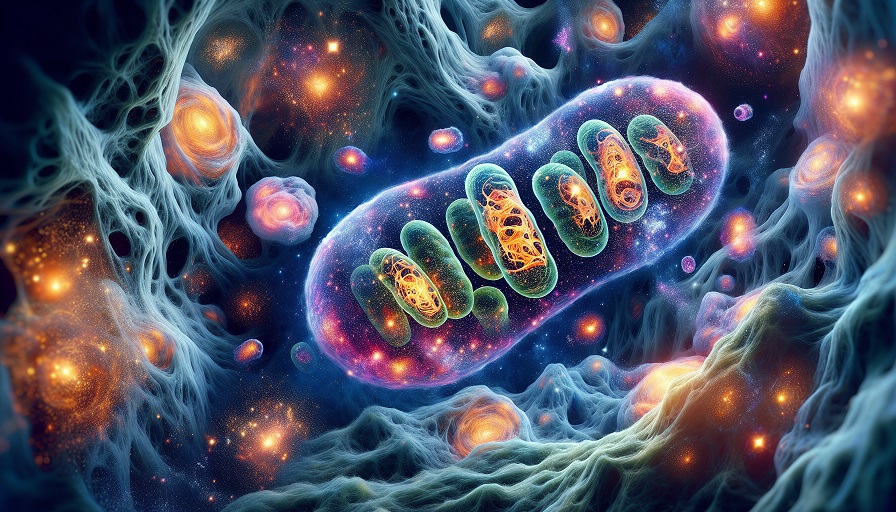
Your cells run on ATP (adenosine triphosphate), the usable energy currency your body spends to do work. Mitochondria, the “powerhouses” inside your cells, help convert nutrients and oxygen into ATP. Diet influences this process in two main ways: it provides the fuel and it provides the tools. The tools are the vitamins, minerals, and plant compounds that help energy pathways run smoothly.
Cellular Energy Is About More Than Calories
Calories measure potential energy in food. ATP is usable energy inside your body. Between those two is a supply chain: digestion, absorption, blood sugar regulation, oxygen delivery, and mitochondrial conversion.
Fuel Quality Affects How Energy Feels
Highly refined foods can deliver energy quickly, but they can also create spikes and crashes for many people. Whole foods tend to provide steadier fuel and more micronutrients, which supports more consistent energy production.
Mitochondria Need Consistent Inputs
Mitochondria help convert carbohydrates and fats into ATP. Over time, a diet that supports stable blood sugar and provides nutrient density helps maintain a healthier environment for cellular energy production.
How Diet Shapes Cellular Power Over Time
Diet choices affect cellular power in both short and long timelines. You can feel an energy change within hours after a meal, but you also shape your baseline energy over months and years through consistent patterns.
Blood Sugar Stability Builds A Steadier Baseline
Meals that spike blood sugar can lead to dips that feel like fatigue, brain fog, and irritability. Over time, repeated swings can make energy feel less predictable. Meals built around protein, fiber-rich plants, and quality fats often support steadier energy, which supports steadier ATP availability for the brain and muscles.
Nutrient Density Supports Energy Pathways
Energy pathways rely on vitamins and minerals, especially B vitamins and minerals like magnesium. When meals are nutrient-dense, the body has more of the “helpers” needed for energy conversion. When diets are heavily processed, nutrient density is often lower, even when calories are high.
Inflammation Balance And Recovery Support
Food influences recovery. A diet rich in colorful plants, quality fats, and adequate protein supports tissue repair and immune balance. When recovery is better supported, energy often feels more resilient.
Muscle Maintenance And Metabolic Resilience
Protein intake and overall diet quality influence muscle maintenance. Muscle supports metabolic health and fuel handling. Over time, maintaining muscle through protein and strength training makes daily life feel less expensive and supports more stable energy.

Diet Patterns That Commonly Drain Energy
Many people feel tired not because they “eat badly,” but because their diet pattern creates an energy roller coaster. Here are common patterns that can drain cellular power over time.
Refined-Carb Heavy Meals Without Protein
White bread, pastries, sugary cereals, and sweet drinks can cause quick energy spikes followed by dips. Adding protein and fiber often smooths energy quickly.
Skipping Meals Then Overeating Later
Long gaps can lead to intense hunger, rushed food choices, and a larger blood sugar swing. Many people feel steadier when meals are more regular and balanced.
Low Plant Intake
Plants provide fiber, antioxidants, minerals, and beneficial compounds that support cellular processes. Low plant intake often correlates with lower nutrient diversity.
Not Enough Protein For Your Activity Level
Protein supports muscle, recovery, and satiety. If you feel hungry often, sore often, or low energy often, reviewing protein intake can be helpful.
Diet Patterns That Support Cellular Power
The most effective diet strategies are often the simplest ones, repeated consistently.
Build Every Meal Around Protein
Protein helps stabilize meals and supports recovery. It also reduces the likelihood of energy crashes by slowing digestion and supporting satiety. This can be as simple as eggs, Greek yogurt, fish, poultry, tofu, legumes, or lean meats depending on your preferences.
Add Fiber-Rich Plants Daily
Fiber supports digestion and blood sugar stability. Colorful plants also provide micronutrients and plant compounds that support cellular health. Aim for a variety across the week rather than perfection each day.
Choose Whole Food Carbs For Steady Fuel
Whole food carbs like fruit, beans, oats, potatoes, and whole grains often provide steadier energy than refined carbs. Pair them with protein and fats for the smoothest experience.
Include Quality Fats
Quality fats support cell membranes and hormone production. Nuts, seeds, olive oil, avocado, and fatty fish are examples that can support satiety and nutrient absorption.
Support Mitochondria With Key Nutrients
Alongside foundational diet patterns, some nutrients are often discussed in relation to mitochondrial function and cellular energy. Niacinamide (a form of vitamin B3) supports cellular energy pathways. D-ribose is a building block used in ATP-related compounds. Resveratrol, a plant compound, is widely studied for its relationship to cellular aging and stress response. Many people include these nutrients as part of a broader approach to supporting long-term cellular power.
A Simple “Energy-Focused” Day Of Eating
If you want a practical starting point, here is a simple template. Adjust portion sizes and food choices to your preferences and needs.
Breakfast
Protein plus fiber: eggs with vegetables, or Greek yogurt with berries and nuts, or a protein smoothie with added fiber.
Lunch
Protein plus plants: a big salad with protein, beans, or a bowl with lean protein, vegetables, and a whole food carb like potatoes or rice.
Dinner
Protein plus plants plus quality fat: fish or poultry with roasted vegetables and olive oil, or tofu stir-fry with vegetables and a whole grain.
Snacks
If needed: fruit with nuts, yogurt, or a protein-forward snack that supports stable energy.
The Takeaway: Your Diet Builds Your Energy Baseline
Diet choices shape cellular power over time by influencing blood sugar stability, nutrient density, recovery support, and the cellular machinery that produces ATP. Mitochondria help convert nutrients and oxygen into usable energy, which is why consistent, nutrient-dense, stable-meal patterns often lead to steadier daily vitality. Supportive nutrients like niacinamide, D-ribose, and resveratrol also fit naturally into the broader conversation about supporting mitochondrial function and long-term cellular energy.