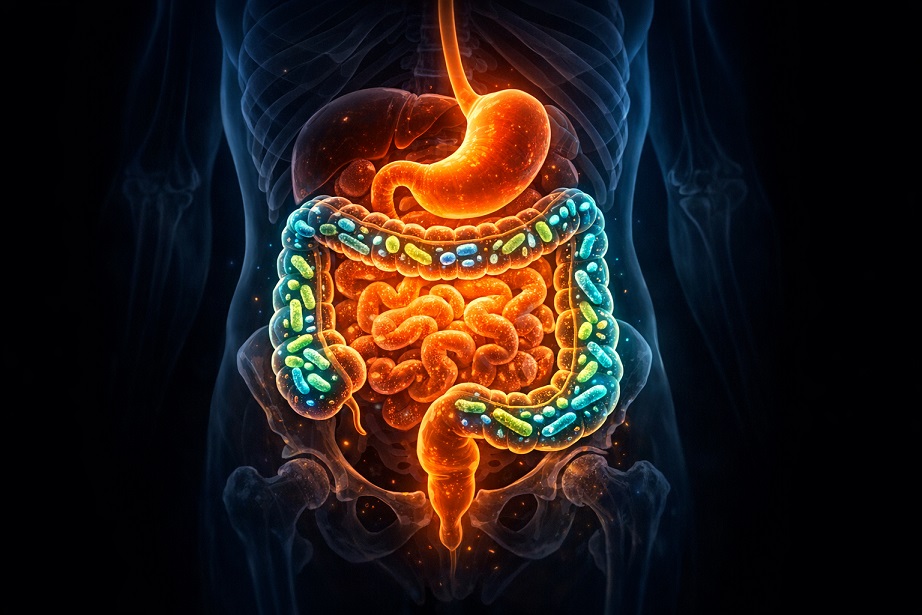
The word control is stronger than most health writers use when describing the relationship between the gut microbiome and the immune system. Support is more common, or influence, or contribute to. These are accurate words, but they understate what the evidence actually shows. The gut microbiome does not merely support immune function the way a supplement might nudge a biological process in a favorable direction. It actively programs key aspects of how the immune system develops, what it responds to, how vigorously it responds, and when it stands down. The distinction between support and control is meaningful, and appreciating the full scope of the gut-immune relationship requires understanding it clearly.
This is not a fringe hypothesis in immunology. The past two decades of microbiome research have produced a substantial and growing body of evidence demonstrating that the gut microbial community is not a passive inhabitant of an organ that happens to be near immune tissue. It is an active co-regulator of immune development and function, integrated into the immune system’s operation so deeply that a healthy immune system requires a healthy gut microbiome as a precondition rather than as an optional enhancement.
The Early Programming: How Microbiome Shapes Immune Development
The gut microbiome’s most profound influence on the immune system occurs earliest in life, during the critical window of immune system development that extends from birth through early childhood. The microbial community established in the infant gut through birth, breastfeeding, and early environmental exposure is not simply living in the gut. It is actively training the developing immune system through continuous interaction with immune tissue that is in the process of determining what it will and will not react to for the rest of the host’s life.
The Hygiene Hypothesis and Microbial Diversity
The hygiene hypothesis, now better described as the old friends hypothesis, proposes that the dramatic increase in allergic and autoimmune conditions in developed-world populations over the past century reflects a reduction in the diversity and richness of microbial exposure during the developmental immune window. The immune system, deprived of the microbial inputs it evolved to receive, fails to calibrate its tolerance responses correctly and instead develops hypersensitivity to harmless environmental substances and the body’s own tissues.
Research comparing populations with high and low rates of allergic and autoimmune disease has consistently found that gut microbiome diversity is a significant differentiating factor, with lower diversity associated with higher rates of these conditions. Children raised with greater exposure to farm environments, diverse animal contacts, and minimally processed foods show markedly lower rates of asthma, hay fever, eczema, and type 1 diabetes, all conditions with immune dysregulation at their root. The microbiome diversity these exposures produce appears to be protective through its role in training appropriate immune tolerance.
Immune Tolerance: The Microbiome as Teacher
Immune tolerance is the immune system’s learned ability to recognize and accept harmless materials, including food proteins, environmental allergens, and the commensal bacteria living in the gut, without mounting destructive responses against them. This tolerance is not genetically hardwired. It must be learned, and the gut microbiome is the primary teacher.
Regulatory T Cells and Microbial Instruction
Regulatory T cells (Tregs) are the immune system’s moderators, preventing excessive inflammatory responses and maintaining self-tolerance. Their development and function depend critically on signals from the gut microbial community. Specific bacteria, particularly Bifidobacterium and Clostridia from certain phylogenetic clusters, promote Treg differentiation through the production of short-chain fatty acids, particularly butyrate, which acts epigenetically on Treg development, and through direct cell-surface interactions with dendritic cells that present microbial antigens to developing T cells.
Individuals with reduced Bifidobacterium populations and reduced microbial diversity have fewer functional Tregs, making their immune systems less capable of maintaining appropriate tolerance. This deficiency in tolerance maintenance is mechanistically related to the increased risk of allergic disease, inflammatory bowel disease, and autoimmune conditions observed in people with dysbiotic gut microbiomes. The gut bacteria are not merely supporting immune function. They are providing the instructional input that determines whether the immune system develops appropriate tolerance in the first place.

Pathogen Defense: Real-Time Immune Control
Beyond the developmental programming that occurs early in life, the gut microbiome continues to exert real-time control over immune responsiveness throughout adulthood. This ongoing control operates through continuous interaction between gut bacteria and gut-associated lymphoid tissue, shaping the immune system’s readiness for infection defense.
Innate Immune Priming
The gut microbiome maintains a state of controlled immune alertness in the gut immune tissue that prepares innate immune cells for rapid response to genuine threats. Macrophages, natural killer cells, and neutrophils in the gut mucosa are continuously exposed to microbial signals that maintain their activation thresholds at appropriate levels. A gut microbiome dominated by beneficial bacteria like Bifidobacterium provides signals that keep innate immune cells properly primed without triggering excessive background inflammation. When this microbial signaling is disrupted by dysbiosis, innate immune cells may either become hyperactivated, contributing to chronic inflammation, or hyporesponsive, leaving the host more vulnerable to infection.
Natural killer cell activity, among the first responders to viral infection and cancerous cells, is directly influenced by gut microbial community composition. Research has found that germ-free animals with no gut microbiome have severely compromised natural killer cell function that cannot be restored by supplementing any single isolated compound, only by restoring microbial colonization. This finding illustrates the degree to which the immune system’s basic functionality depends on continuous microbial input, not merely the presence of specific immune-supporting nutrients.
Adaptive Immune Calibration
The adaptive immune system, which generates the targeted antibody and T cell responses that provide specific and lasting protection against pathogens and form the basis of vaccine immunity, is also calibrated by the gut microbiome. Research has repeatedly found that vaccine antibody responses are stronger in individuals with higher Bifidobacterium populations and greater overall gut microbial diversity. This is not simply correlation. Mechanistic research has found that gut bacteria influence dendritic cell maturation, which determines how effectively antigen presentation to naive T and B cells occurs, and that short-chain fatty acids from gut bacterial fermentation directly affect B cell antibody class-switching and affinity maturation, the processes that produce high-quality protective antibodies.
The Control Point for Systemic Inflammation
The gut microbiome also controls the systemic inflammatory tone that underlies many of the most significant chronic health conditions of modern life. Through its maintenance of gut barrier integrity, its competitive exclusion of inflammatory lipopolysaccharide-producing bacteria, and its production of anti-inflammatory short-chain fatty acids, a healthy gut microbiome with robust Bifidobacterium populations actively suppresses the background chronic inflammation that drives cardiovascular disease, metabolic syndrome, and neurological conditions.
When the microbiome is disrupted, gut barrier compromise allows bacterial lipopolysaccharide to enter systemic circulation, activating toll-like receptor signaling in immune cells throughout the body and generating a chronic low-grade inflammatory state that no amount of anti-inflammatory supplementation can fully counteract as long as the underlying gut dysbiosis persists. Controlling the gut microbiome, through prebiotic support that maintains Bifidobacterium dominance and gut barrier integrity, is therefore controlling one of the primary drivers of the chronic inflammatory state that makes aging so often synonymous with disease.