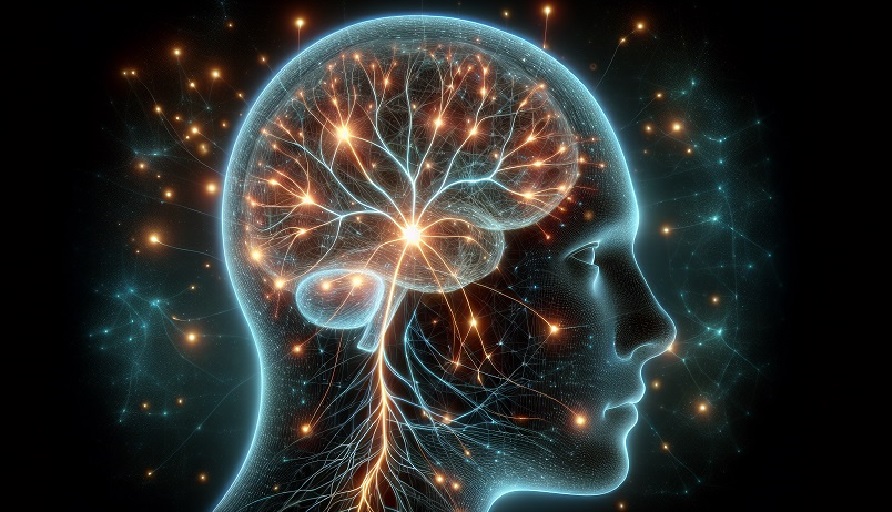
Loneliness is one of those experiences that feels intensely personal, almost embarrassingly so. It is not the kind of thing most people bring up at dinner or mention to their doctor. And yet, research increasingly confirms that loneliness is not merely an emotional discomfort to be quietly managed. It is a significant public health concern, one with measurable, far-reaching consequences for the brain that deserve far more attention than they typically receive.
Former U.S. Surgeon General Dr. Vivek Murthy made headlines when he declared loneliness an epidemic, noting that its health risks rival those of smoking fifteen cigarettes a day. That comparison tends to land with a thud, because most of us still think of loneliness as a feeling rather than a physiological condition. But the science is unambiguous: what happens in the lonely mind also happens, in very concrete ways, in the lonely brain.
Contents
Understanding Loneliness as a Brain Signal
It helps to start by reframing what loneliness actually is. From an evolutionary perspective, it is not a weakness or a character flaw. It is a survival signal, every bit as important as hunger or thirst. Just as hunger tells the brain that the body needs food, loneliness tells the brain that the organism needs social connection. Humans evolved as deeply social creatures. For most of our evolutionary history, isolation meant danger. Being separated from your group was a serious threat to survival, and the brain developed a robust alarm system to motivate reconnection.
When the Alarm Stays On
The problem arises when that alarm sounds persistently without resolution, as it does in chronic loneliness. The brain’s threat-detection system, centered in the amygdala, remains in a heightened state of vigilance. The lonely brain becomes hyperattuned to potential social threats, scanning the environment for rejection and danger in much the same way a brain exposed to physical threat would. This state of sustained social alertness is neurologically costly. It keeps the stress-response system activated, floods the body with cortisol, and gradually takes a serious toll on the very structures the brain needs most for memory, learning, and emotional regulation.
What Loneliness Does to the Brain’s Structure
The neurological footprint of chronic loneliness is more substantial than most people would guess. Neuroimaging studies have identified consistent structural and functional differences between chronically lonely individuals and those with robust social connections, differences that go well beyond what mood alone would explain.
Changes in the Default Mode Network
One of the most intriguing findings in loneliness research involves the default mode network, the brain system active during introspection, social thinking, and imagining the minds of others. Lonely individuals show altered activity patterns in this network, particularly in regions associated with mentalizing, the cognitive process of understanding and predicting other people’s thoughts and feelings. Rather than supporting richer social engagement, the lonely brain’s social-processing machinery appears to turn inward and become preoccupied, rehearsing past rejections and anticipating future ones rather than freely engaging with the present social world.
The Hippocampus and Memory
The hippocampus, the brain’s primary center for forming and consolidating new memories, is particularly vulnerable to the effects of chronic stress, and chronic loneliness is, neurologically speaking, a chronic stressor. Sustained elevation of cortisol is neurotoxic to hippocampal tissue over time. Studies have found that chronically lonely individuals show accelerated hippocampal volume loss compared to their socially connected peers, which translates directly into greater vulnerability to memory problems and a steeper trajectory of cognitive decline with age.
A large longitudinal study published in the journal Neurology found that older adults who reported feeling lonely had a significantly higher risk of developing dementia over a follow-up period of several years, independent of whether they actually lived alone. That last point is worth sitting with: it is the subjective feeling of loneliness, not merely the objective fact of social isolation, that drives the neurological risk. You can be surrounded by people and still be profoundly lonely, and the brain registers that distinction with uncomfortable precision.
White Matter and Neural Connectivity
Beyond gray matter volume, research has also identified differences in white matter integrity in chronically lonely individuals. White matter consists of the myelinated fiber tracts that connect different brain regions and allow them to communicate efficiently. Reduced white matter integrity in areas connecting the prefrontal cortex with deeper emotional-processing regions suggests that the lonely brain may have a harder time regulating emotional responses, suppressing threat reactions, and maintaining the kind of flexible, top-down cognitive control that supports good decision-making and mental resilience.

Loneliness, Inflammation, and the Brain
One of the key biological mechanisms linking loneliness to poor brain health is inflammation. Chronic loneliness has been consistently associated with elevated levels of pro-inflammatory markers, including interleukin-6 and C-reactive protein. Neuroinflammation, the inflammatory response within the brain itself, is increasingly understood to be a driver of neurodegenerative conditions including Alzheimer’s disease and other dementias.
The Inflammatory Cascade
The pathway runs roughly like this: social isolation activates the brain’s threat system, which triggers the release of stress hormones and inflammatory cytokines, which in turn promote a state of low-grade systemic and neural inflammation. Over months and years, that inflammatory environment becomes hostile to neurons, interfering with synaptic function, accelerating cellular aging, and disrupting the delicate biochemical balance the brain needs to perform at its best. It is a slow process, largely invisible in daily life, but the cumulative effect is significant.
This inflammatory link also helps explain why loneliness is associated with accelerated biological aging overall. Telomere length, a molecular marker of cellular age, is consistently shorter in chronically lonely individuals compared to socially connected ones of the same chronological age. Loneliness, in this sense, ages the brain and body faster than the calendar does.
The Cognitive Costs of Social Disconnection
Social interaction is, among other things, a cognitive workout. Navigating conversation requires attention, working memory, language processing, emotional intelligence, and rapid perspective-taking, all simultaneously. When people are regularly deprived of meaningful social engagement, that entire suite of cognitive functions gets less exercise. The result, over time, is measurable cognitive dulling that compounds with the structural brain changes described above.
Loneliness and Dementia Risk
The relationship between loneliness and dementia risk is now well-established in the epidemiological literature. A landmark analysis drawing on data from multiple large cohort studies found that loneliness was associated with roughly a 40 percent increase in the risk of developing dementia, a figure that held up after controlling for depression, physical health, and a range of other variables. Some researchers believe that the social brain hypothesis, the idea that the extraordinary cognitive complexity of human brains evolved largely to manage complex social relationships, helps explain why social disconnection hits cognitive function so hard. The brain that evolved for rich social life is not well-suited to sustained isolation.
Rebuilding Connection and Supporting the Brain
The research on loneliness and brain health can feel grim, but it contains a genuine and important upside: connection is available, social engagement is modifiable, and the brain retains a meaningful capacity to recover when social conditions improve. Studies tracking lonely individuals who successfully rebuilt social networks have found improvements in inflammatory markers, mood, and cognitive performance. The brain is responsive. Give it the social nourishment it evolved to expect and it will, to a meaningful degree, respond in kind.
Practical Pathways to Reconnection
Addressing loneliness is rarely as simple as “just go make friends,” a piece of advice about as helpful as telling someone with insomnia to “just sleep.” Meaningful reconnection usually requires intentional effort, sometimes professional support, and always some degree of vulnerability. Community groups organized around shared interests, volunteer work, creative classes, faith communities, and regular contact with existing friends and family members all represent evidence-backed routes toward the kind of social engagement the brain needs. Even brief, warm interactions with acquaintances and strangers, what researchers call “weak ties,” have been shown to meaningfully improve wellbeing and reduce feelings of isolation.
Nourishing the Lonely Brain
While rebuilding social connection is the most direct intervention, supporting the brain’s health through other means remains important, particularly while that longer-term work is underway. Given what we know about the role of neuroinflammation in loneliness-related cognitive decline, an anti-inflammatory approach to brain health makes particular sense. Omega-3 fatty acids, especially DHA and EPA, are among the most studied compounds for reducing neuroinflammation and supporting structural brain health. Phosphatidylserine supports cell membrane integrity and has shown promise in research on age-related cognitive decline.
Lion’s Mane mushroom, with its potential to stimulate nerve growth factor, may support the maintenance and repair of neural connections that social isolation can degrade over time. Bacopa monnieri has been studied for its adaptogenic properties, helping the brain manage the effects of chronic stress. For anyone navigating a period of significant loneliness, a well-formulated brain supplement may offer meaningful nutritional support for the brain during a time when it is under particular strain. As always, a conversation with your healthcare provider is the right starting point.
You Are Not Alone in Feeling Alone
Perhaps the most important thing to understand about loneliness is how extraordinarily common it is. Surveys consistently find that a significant proportion of adults across all age groups describe meaningful feelings of loneliness, which means that the person sitting quietly with that experience is almost certainly not as alone in having it as they feel. That irony is not lost on researchers, and it points toward something useful: the stigma around loneliness itself may be one of the biggest barriers to addressing it.
Your brain was built for connection. When connection is missing, it tells you so, loudly and persistently, because it knows what it needs. Listening to that signal, rather than dismissing it, is one of the most brain-healthy things you can do.