
Depression has been explained to the public in one dominant biological narrative for several decades: a chemical imbalance, specifically a deficiency of serotonin, that antidepressant medications correct by keeping more serotonin available in the synaptic cleft. That explanation is not entirely wrong, but it is significantly incomplete, and its incompleteness helps explain why a substantial proportion of people with depression do not respond adequately to serotonin-targeting treatments. A parallel line of research, building steadily since the early 1990s and now representing one of the most active and consequential areas of psychiatry and neuroscience, has identified chronic inflammation as a significant driver of depressive illness in a meaningful subset of patients. The inflammation-depression connection is not a fringe hypothesis. It is supported by a convergence of immunological, epidemiological, and clinical evidence that is reshaping how serious researchers think about what depression actually is and how it might be better treated and prevented.
Contents
The Immune System and the Brain: Closer Neighbors Than You Think
The traditional view held that the brain was effectively walled off from the immune system by the blood-brain barrier, a selective membrane that prevents most large molecules from crossing from the bloodstream into neural tissue. While that barrier does exist and does provide meaningful protection, the relationship between immune activity and brain function is far more dynamic and bidirectional than the isolation model implied. The brain has its own resident immune cells, the microglia, which were introduced in the neuroinflammation discussions earlier in this series. Beyond microglia, inflammatory signaling molecules called cytokines, produced by the peripheral immune system in response to infection, injury, or chronic stress, cross the blood-brain barrier and influence neural function directly, altering neurotransmitter synthesis, disrupting the hypothalamic-pituitary-adrenal stress axis, and affecting the very regions most implicated in mood regulation.
The Sickness Behavior Clue
One of the earliest and most compelling pieces of evidence for the inflammation-depression link came not from depression research at all but from the study of sickness behavior in animals and humans. When the immune system mounts a response to infection, it produces cytokines that travel to the brain and induce a characteristic behavioral cluster: fatigue, social withdrawal, reduced appetite, cognitive slowing, loss of interest in normally pleasurable activities, and disrupted sleep. Any clinician reading that list will recognize it immediately as the symptom profile of major depressive disorder. The overlap is not coincidental. Researchers including Andrew Miller at Emory University began arguing in the late 1990s that depression in at least some patients represents a pathological extension of this cytokine-driven sickness behavior, activated not by acute infection but by the chronic low-grade inflammation that modern lifestyle conditions produce with striking regularity.
The Evidence That Links Inflammation to Depression
The case for inflammation as a causal contributor to depression rests on several distinct lines of converging evidence, each independently suggestive and collectively quite compelling.
Elevated Inflammatory Markers in Depressed Populations
Meta-analyses examining blood samples from people with depression consistently find elevated levels of pro-inflammatory cytokines, particularly interleukin-6, tumor necrosis factor-alpha, and C-reactive protein, compared to non-depressed controls. A 2019 meta-analysis published in Psychological Medicine, reviewing data from over fifty studies, confirmed that these inflammatory markers are reliably elevated in depressive illness at the population level. Critically, the relationship appears bidirectional: depression elevates inflammatory markers, and elevated inflammatory markers predict the development of depression in previously healthy individuals, suggesting a reinforcing cycle rather than a simple one-directional causation.
Cytokine Administration Studies
Perhaps the most striking direct evidence comes from studies in which researchers administered inflammatory cytokines to healthy volunteers or to cancer patients receiving interferon-alpha therapy, a potent inflammatory agent. A significant proportion of interferon-treated patients developed full syndromal depression as a side effect, with symptom onset closely tracking the course of cytokine exposure. The depressive symptoms were not explained by the psychological distress of cancer diagnosis alone, because the inflammatory agent itself was the variable driving their emergence and resolution. These findings represent something close to an experimental proof of concept for cytokine-induced depression as a distinct biological phenomenon.
The Inflammatory Subtype of Depression
Accumulating evidence suggests that inflammation is particularly implicated in a specific subtype of depression characterized by pronounced fatigue, hypersomnia, increased appetite and weight gain, and a quality of leaden heaviness rather than the agitated, anxious presentation more common in other depressive subtypes. Patients in this inflammatory subtype tend to show poorer response to standard antidepressants targeting monoamine systems and better response to treatments that address inflammation directly. Identifying this subtype matters enormously for treatment matching, because it suggests that a meaningful proportion of treatment-resistant depression may be resistant not because of inadequate serotonergic treatment but because the underlying driver is inflammatory rather than primarily neurotransmitter-based.
What Drives Chronic Inflammation in Modern Life
Understanding why chronic inflammation has become so prevalent is inseparable from understanding why rates of depression have continued to rise despite widespread availability of antidepressant treatment. The inflammatory drivers that research has most consistently implicated are, with a few exceptions, products of the same lifestyle conditions that cognitive health research has been documenting as problematic throughout this series.
Diet, the Gut, and the Gut-Brain Axis
The relationship between diet and inflammation has been documented extensively, but its relevance to depression specifically has sharpened considerably with the growing understanding of the gut-brain axis. The trillions of microorganisms comprising the gut microbiome produce neurotransmitter precursors, short-chain fatty acids, and signaling molecules that communicate bidirectionally with the brain through the vagus nerve, the enteric nervous system, and systemic immune signaling. A microbiome disrupted by ultra-processed foods, refined sugars, antibiotic exposure, and insufficient dietary fiber shifts toward a pro-inflammatory composition that elevates systemic cytokine levels and alters the production of serotonin precursors in ways that converge on both inflammatory and neurotransmitter pathways implicated in depression. Approximately ninety percent of the body’s serotonin is produced in the gut rather than the brain, which makes gut health a matter of psychiatric relevance in a way that was barely appreciated a decade ago.
Chronic Stress and Inflammatory Activation
Psychological stress activates the immune system through the hypothalamic-pituitary-adrenal axis and the sympathetic nervous system, both of which influence cytokine production. Acute stress produces a cytokine response that is adaptive and self-limiting. Chronic stress produces a pattern of sustained inflammatory activation in which the regulatory mechanisms that normally terminate the inflammatory response become less effective over time, a phenomenon researchers call glucocorticoid resistance. The brain chronically exposed to stress-induced cytokines experiences exactly the neurotransmitter disruptions, the reduced neurogenesis, and the altered reward processing that depression involves. Stress and inflammation are not separate pathways to depression. They are deeply intertwined mechanisms that amplify each other.
Sleep Disruption and Inflammatory Dysregulation
The connection to sleep, which this series has returned to repeatedly, continues here. Sleep is one of the primary periods during which the immune system conducts regulatory maintenance, and inadequate or fragmented sleep produces measurable elevations in pro-inflammatory cytokines within days of onset. A 2020 meta-analysis in Brain, Behavior, and Immunity found that experimental sleep deprivation significantly elevated interleukin-6 and C-reactive protein in healthy adults. Given that elevated inflammatory markers predict depression onset, and that depression itself disrupts sleep in a way that further elevates inflammation, the sleep-inflammation-depression triad represents one of the more vicious self-reinforcing cycles in mental health biology.
Anti-Inflammatory Approaches to Supporting Mood and Brain Health
If chronic inflammation contributes meaningfully to depressive symptoms in a subset of patients, then strategies that reduce inflammation represent a legitimate target for both treatment and prevention of those symptoms, alongside rather than instead of established treatments.
Omega-3 Fatty Acids and the Anti-Inflammatory Case for Mood
Omega-3 fatty acids, particularly EPA and DHA, have accumulated a substantial evidence base for both anti-inflammatory effects and mood support. EPA in particular has demonstrated antidepressant effects in randomized controlled trials, with a meta-analysis published in Translational Psychiatry finding that EPA-dominant omega-3 supplementation produced significant reductions in depressive symptoms across multiple trials. The proposed mechanisms include direct inhibition of pro-inflammatory cytokine production, support for serotonin receptor function, and modulation of the arachidonic acid cascade that drives inflammatory signaling. The inflammation angle also helps explain why omega-3s appear most effective in patients with elevated inflammatory markers at baseline, a finding that aligns neatly with the inflammatory subtype hypothesis.
Exercise as an Anti-Inflammatory Antidepressant
Regular aerobic exercise produces anti-inflammatory effects through multiple pathways including the release of muscle-derived anti-inflammatory cytokines called myokines, reduction of visceral adipose tissue that is itself a source of chronic inflammatory signaling, and regulation of the hypothalamic-pituitary-adrenal axis stress response. The antidepressant effects of exercise are well-established in the clinical literature, with multiple randomized controlled trials finding exercise comparable to antidepressant medication for mild to moderate depression in head-to-head comparisons. The anti-inflammatory mechanism is one of several pathways through which exercise produces its mood effects, but it may be the most important one in the inflammatory subtype of depression where standard antidepressants underperform.
Brain Supplements With Anti-Inflammatory Relevance
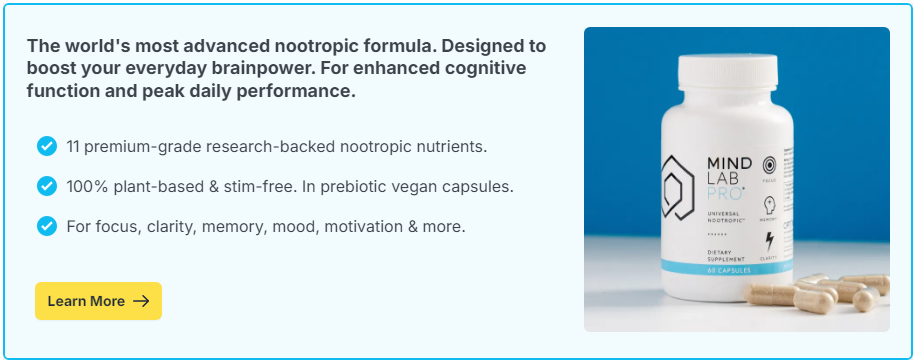
Several nootropic and brain health supplement ingredients address the inflammation-depression connection through mechanisms that complement dietary and lifestyle approaches. Curcumin, the active compound in turmeric, has demonstrated both anti-inflammatory and antidepressant effects in randomized controlled trials, with a meta-analysis published in Critical Reviews in Food Science and Nutrition finding significant antidepressant effects compared to placebo. Its anti-inflammatory mechanism involves inhibition of the NF-kB signaling pathway that regulates pro-inflammatory cytokine production. Lion’s mane mushroom has demonstrated anti-neuroinflammatory effects through suppression of microglial activation, supporting the neural environment that mood regulation depends on. Ashwagandha’s cortisol-reducing effects reduce the stress-driven inflammatory activation that connects psychological pressure to immune dysregulation. And the phosphatidylserine found in quality brain health supplements supports the neuronal membrane integrity that inflammatory damage compromises.
A premium brain supplement that combines anti-inflammatory, adaptogenic, and neuroprotective ingredients addresses the inflammation-depression connection at several of its relevant biological levels simultaneously. For individuals whose mood, energy, and cognitive clarity are being affected by the chronic inflammatory burden that modern lifestyle conditions so reliably produce, supporting the brain’s chemical environment with the right nutritional inputs is a meaningful and evidence-informed step alongside the other lifestyle strategies that reduce inflammatory load.