We talk about “energy” like it is a personality trait. Some people have it, some people do not, and some people lose it somewhere between lunch and that third unread email. But the truth is more practical and, honestly, more hopeful.
Energy is biology. It is the ability of your cells to take nutrients from food, combine them with oxygen, and produce a usable form of power that keeps you moving, thinking, and recovering. When this system runs well, you feel it as steady vitality. When it runs poorly, you feel it as fatigue, brain fog, and that low-battery sensation that no amount of “positive vibes” can fix.
Here we walk through how the body turns food into usable energy, why mitochondria matter so much, and what everyday habits help this whole process run smoother.
Contents
From Food To Fuel: What Your Body Actually Uses
Food contains energy, but your body does not run on “food energy” directly. It runs on ATP (adenosine triphosphate), a molecule your cells spend constantly. ATP powers muscle contractions, nerve signals, hormone production, tissue repair, and more.
ATP: The Cash In Your Pocket
Think of calories as money in a bank account. ATP is cash in your wallet. You can have plenty of “calories in the account,” but if you cannot withdraw and use them efficiently, your day still feels underpowered.
Why You Cannot Store Much ATP
Your body keeps only a small amount of ATP available at any moment. Because ATP is constantly used, your cells must continuously make more. This is why the machinery that produces ATP matters as much as the fuel you eat.
Mitochondria: The Engines Inside Your Cells
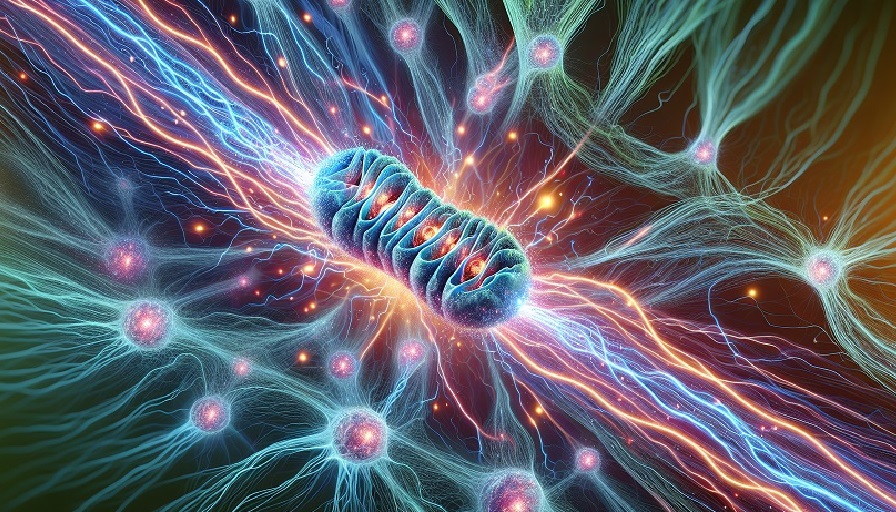
Mitochondria are structures inside cells that help convert nutrients and oxygen into ATP. They are often called the “powerhouses of the cell,” and it is a fair nickname. If ATP is the cash, mitochondria are the mint.
Different Tissues, Different Energy Budgets
Some tissues demand a lot of energy all the time. Your heart beats continuously. Your brain stays active even while you sleep. Your muscles need bursts of power when you move. These tissues tend to have many mitochondria, which is one reason energy issues can show up as physical fatigue and mental fatigue at the same time.
The Main Pathways: How Nutrients Become ATP
Biology textbooks can make energy production feel like a maze. The big idea is simpler: nutrients are broken down into smaller units, those units enter energy pathways, and mitochondria help finish the job by generating ATP efficiently.
Carbohydrates: Quick And Flexible Fuel
Carbs are broken down into glucose. Cells can use glucose for quick energy. When glucose is plentiful, the body can store some as glycogen in the liver and muscles. Balanced carb intake can support steady energy, especially when paired with protein and fiber to avoid spikes and crashes.
Fats: High Energy, Slower Burning
Fats are energy dense. The body can break fats down into fatty acids and use them for energy, particularly during lower-intensity activity and between meals. Many people feel best with a mix of carbs and fats, since each plays a different role in energy balance.
Protein: Building Blocks With Backup Power
Protein is best known for building and repairing tissues, but amino acids can also be used for energy when needed. Adequate protein supports muscle maintenance, satiety, and recovery, which indirectly supports how energetic you feel.
Oxygen: The Quiet Partner In The Process
Oxygen is essential for efficient energy production in mitochondria. This is why circulation, lung function, and even basic fitness influence energy. When oxygen delivery improves, energy production often feels smoother during activity.
Why Energy Feels Different From Day To Day
Two days can look similar on your calendar and feel completely different in your body. That is not imagination. Cellular energy production depends on multiple inputs, and small changes can add up.
Sleep Quality Changes The Whole System
Sleep supports repair, hormone regulation, and metabolic balance. Poor sleep can increase cravings, reduce stress tolerance, and make energy pathways feel less efficient. Even one short night can affect how “charged” you feel the next day.
Stress Runs Expensive Background Programs
Chronic stress does not just affect mood. It affects blood sugar handling, digestion, inflammation, and sleep. It is like having too many apps open on your phone. The battery drains faster, and performance lags.
Nutrient Density Affects The “Helper” Tools
Energy pathways rely on vitamins, minerals, and supportive compounds that help reactions run smoothly. You can eat enough calories but still come up short on nutrient density. Over time, that can influence how steady energy feels.
Supporting The Energy System With Everyday Habits
You do not need a lab coat to support your mitochondria. You need repeatable habits that provide reliable fuel, good recovery, and manageable stress. Here are practical places to start.
Eat For Stability, Not Just For Convenience
Meals built around protein, fiber-rich plants, and quality fats tend to produce steadier energy than meals dominated by refined carbs. If you are prone to crashes, try adjusting breakfast and lunch first. Those meals often set the tone for the day.
Move In Ways You Can Repeat
Movement supports metabolic flexibility and mitochondrial maintenance. Walking, basic strength training, cycling, swimming, and short bursts of higher effort (when appropriate) can all help. The best plan is the one you will still be doing next month.
Prioritize Recovery Like It Is Part Of Productivity
Recovery is not laziness. It is where the body adapts and repairs. If you are always tired, consider whether you are stacking stress on stress without enough true recovery time. Even a consistent bedtime, a calmer evening routine, and a few minutes of daylight in the morning can help.
Hydrate And Mind Electrolytes
Hydration supports circulation and oxygen delivery. Electrolytes help with nerve signaling and muscle function. Magnesium, in particular, is involved in many enzymatic reactions related to energy. A food-first approach is a good baseline, with professional guidance if you suspect deficiencies.
The Takeaway: Vitality Is Built Inside Your Cells
Vitality is not just about eating enough or sleeping more, although those matter. It is also about how well your cells turn nutrients and oxygen into ATP, the usable energy that powers everything you do. Mitochondria play a central role in that process, and they respond to daily habits: consistent sleep, stable meals, regular movement, hydration, and stress management.
When you support the biology of energy, energy starts to feel less like a mystery and more like something you can influence.