Some days you feel like you are moving through life with a tailwind. You get things done, you handle stress better, and you still have enough left in the tank to enjoy your evening. Other days, everything feels harder, even the “easy” stuff. You are not doing anything dramatically different, but your body feels like it is operating at a lower voltage.
That difference often comes down to a chain reaction, and the first link in that chain is cellular energy.
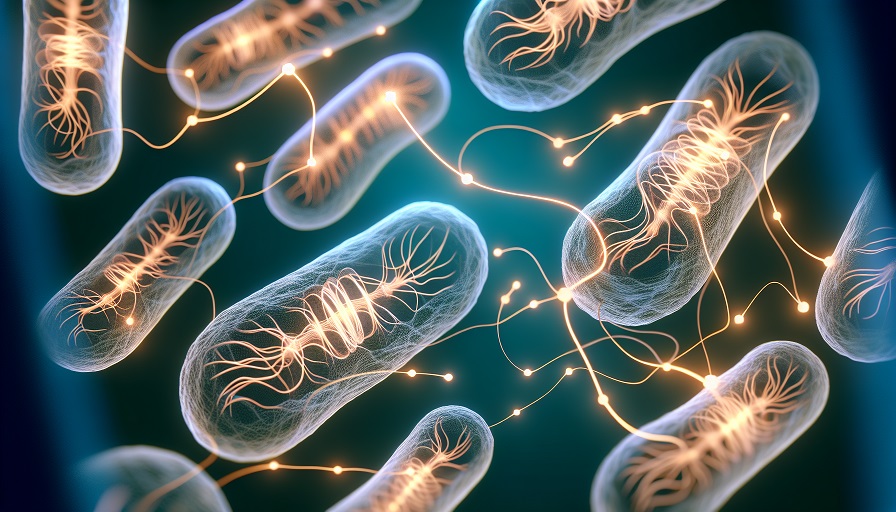
Your body runs on ATP (adenosine triphosphate), the energy currency your cells spend to power everything: muscle contraction, brain signaling, digestion, immune regulation, and tissue repair. Mitochondria, the “powerhouses” inside cells, help convert nutrients and oxygen into ATP. When ATP production is steady, your day tends to feel smoother. When it is strained, the ripple effects show up in mood, cravings, focus, and recovery.
Contents
- What Daily Vitality Really Is
- The First Link: ATP Production Sets The Tone
- The Second Link: Energy Influences Mood And Stress Tolerance
- The Third Link: Energy Shapes Appetite And Cravings
- The Fourth Link: Recovery Depends On Cellular Energy
- How To Create A Positive Chain Reaction
- The Takeaway: Fix The First Link And The Chain Improves
What Daily Vitality Really Is
Vitality is not just being energetic. It is having enough capacity to handle your day without feeling like you are constantly negotiating with your body. It includes physical stamina, mental clarity, emotional resilience, and the ability to recover.
Vitality Is A Systems Outcome
Daily vitality reflects how well multiple systems are working together: metabolic regulation, sleep recovery, nervous system balance, and cellular energy production. If one system is strained, the others often feel it. This is why vitality is so strongly connected to cellular energy.
The First Link: ATP Production Sets The Tone
ATP is what your cells spend to do work. Because you do not store much ATP, you need constant production. That production depends on fuel availability, oxygen delivery, and mitochondrial function.
Why Small Changes Create Big Differences
Because ATP is produced and used continuously, small disruptions can show up quickly. Poor sleep, dehydration, blood sugar swings, stress, and long sedentary stretches can all reduce how “powered” you feel. When those disruptions stack, vitality drops fast.
Why High-Demand Tissues Reveal The Pattern
The brain, heart, and muscles are high energy tissues. When cellular energy is strained, you often notice it as brain fog, lower stamina, and slower recovery. These are early warning signals that the energy budget is tight.
The Second Link: Energy Influences Mood And Stress Tolerance
When energy is low, patience is lower. Stress feels bigger. Mood becomes more reactive. This is not because you suddenly became “bad at coping.” It is because emotional regulation is energy dependent.
Energy Supports Emotional Regulation
The brain uses ATP for signaling and neurotransmitter activity. When ATP supply is strained, the brain can feel less resilient. That often shows up as irritability, anxiety, or feeling overwhelmed by small problems. When energy improves, stress tolerance often improves too.
Stress Drains Energy And Feeds The Cycle
Chronic stress increases demand and disrupts sleep, appetite, and blood sugar patterns. That makes energy production feel harder, which makes stress feel bigger, and the cycle continues. Breaking the cycle usually starts with supporting sleep and fuel stability.
The Third Link: Energy Shapes Appetite And Cravings
When energy is low, the brain often asks for the fastest solution. That usually means sugar, refined carbs, and caffeine. These can create short-term relief, but they often lead to energy swings.
Stable Fuel Creates Stable Cravings
When meals include protein and fiber, energy tends to be steadier, and cravings often calm down. When meals are mostly refined carbs, energy can spike and crash, and cravings can become louder. Cellular energy and appetite are connected through the body’s regulation systems.
The Fourth Link: Recovery Depends On Cellular Energy
Recovery is not passive. Tissue repair, inflammation regulation, and adaptation to exercise all require ATP. If you feel like you are always sore, always tired, or always “behind,” your recovery system may be underpowered.
Why You Can Feel Tired Without Doing Much
You can be physically inactive and still be using a lot of energy internally. Stress, poor sleep, and immune activation all require energy. When the body is spending energy behind the scenes, daily vitality drops even if your step count looks low.
How To Create A Positive Chain Reaction
The good news is that chain reactions work both ways. If low cellular energy creates a negative chain reaction, better cellular support can create a positive one. The goal is to improve the first links so the rest of the chain gets easier.
Anchor The Day With Stable Meals
Start with breakfast and lunch. Protein plus fiber plus healthy fat is a reliable template. If you crash in the afternoon, improving those two meals often produces the fastest results. Pairing carbs with protein and fiber is especially useful for people who notice energy swings.
Move In Small Doses
Daily walking supports circulation and fuel use. Strength training supports muscle and metabolic resilience. If you are short on time, do movement “snacks”: short walks, quick sets of bodyweight exercises, or brief mobility breaks throughout the day.
Improve Sleep Consistency
Try to keep a consistent wake time. Get morning light when possible. Reduce bright screens close to bedtime. Better sleep supports cellular repair, which supports energy and mood the next day.
Use Stress Resets Like Maintenance
Short resets throughout the day reduce the background drain of stress. A brief walk outside, slow breathing for two minutes, stretching, or a quiet break can help the nervous system settle and preserve energy.
Support Mitochondria With Key Nutrients
In cellular energy and mitochondrial support conversations, a few nutrients are mentioned often. Niacinamide (a form of vitamin B3) supports cellular energy pathways. D-ribose is a building block used in ATP-related compounds. Resveratrol, a plant compound, is widely studied for its relationship to cellular aging and stress response. Many people include these nutrients as part of a broader routine aimed at supporting daily vitality.
The Takeaway: Fix The First Link And The Chain Improves
Daily vitality often follows a chain reaction. When cellular energy is strained, mood, cravings, focus, and recovery tend to follow. When cellular energy is supported, those systems often improve together. ATP production is central because it powers the brain and body continuously, and mitochondria help produce ATP from nutrients and oxygen. Support the first links with stable meals, hydration, movement, sleep consistency, stress resets, and supportive nutrients like niacinamide, D-ribose, and resveratrol, and the rest of the chain becomes easier to manage.