We live in an age of convenience. Groceries arrive at the door. Meetings happen from the couch. Entertainment follows us everywhere, including into bed, where it politely taps us on the shoulder at 1:07 a.m. with “one more episode.”
So why do so many people feel drained?
It is tempting to blame motivation, aging, or “just stress.” But there is another angle that makes modern fatigue feel less mysterious: an energy squeeze happening inside the body at the cellular level.
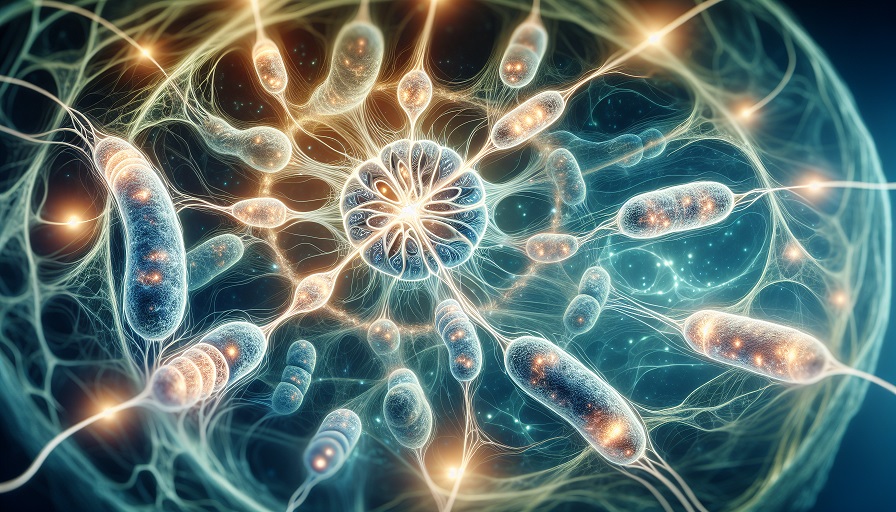
Your cells run on ATP (adenosine triphosphate), the usable energy your body spends to think, move, digest, repair, and recover. Mitochondria, the structures inside your cells often called “powerhouses,” help convert nutrients and oxygen into ATP. When that process is supported, energy feels steadier and more reliable. When it is strained, life can feel like it is running on a phone battery stuck at 18%.
Contents
Energy In The Body Is A Supply Chain
When people say, “I have no energy,” they are usually talking about output. But output depends on supply. Cellular energy is a supply chain that includes digestion, nutrient availability, oxygen delivery, sleep recovery, and mitochondrial function.
ATP Is The Currency Your Body Spends
Calories are potential energy. ATP is usable energy. Your body can have enough calories and still feel underpowered if the supply chain that turns fuel into ATP is disrupted by sleep issues, stress, blood sugar swings, nutrient density gaps, or sedentary patterns.
Mitochondria Are The Production Facilities
Mitochondria help convert carbohydrates, fats, and other nutrients into ATP. High-demand tissues like the brain, heart, and muscles contain many mitochondria because they need steady output. This is why low energy can show up as both physical fatigue and mental fog.
What Modern Life Does To The Energy Supply Chain
The “crisis” is not one dramatic cause. It is a collection of small drains that stack up. Many are normal parts of modern living, which is exactly why they are easy to overlook.
Sleep Gets Cut, Delayed, And Fragmented
Sleep is where the body coordinates repair, regulates hormones, and restores cognitive performance. Modern schedules and screens often push bedtime later and make sleep more fragmented. If sleep is less restorative, the next day’s energy supply starts lower, and the body spends more effort just to keep up.
Stress Turns Into Background Noise
Stress used to arrive in bursts. Now it often hums quietly all day: notifications, deadlines, financial pressure, family responsibilities, constant comparison, and the feeling of never fully being “off.” Chronic stress increases energy demand, disrupts sleep, and influences appetite and blood sugar patterns, which can all strain cellular energy.

Food Is Abundant, But Fuel Quality Is Inconsistent
Many modern diets include plenty of calories but less nutrient density. Energy pathways rely on vitamins, minerals, and supportive compounds that help biochemical reactions run smoothly. When meals are heavy on ultra-processed foods, energy can feel less stable, even if you are eating enough.
Blood Sugar Swings Become A Daily Pattern
Refined carbs and sugary snacks can create spikes and dips for some people. Those dips can feel like a sudden energy crash, brain fog, and irritability. Over time, the roller coaster becomes exhausting. Balanced meals often smooth out the ride and make energy feel more predictable.
Movement Has Been Replaced By Sitting
Convenience has a cost: we move less without noticing. Daily movement supports circulation and fuel use, and it sends signals that help the body maintain energy systems. Long sedentary stretches can make the energy system feel sluggish. Many people notice a clearer head and better mood after a short walk, which is a clue that the body responds quickly to movement.
How The Energy Crisis Shows Up Day To Day
Cellular energy strain does not always announce itself with dramatic symptoms. It often shows up as patterns that people learn to normalize.
Afternoon Crashes And “Second Wind” Evenings
A common pattern is low energy in the afternoon and a second wind at night. Sometimes this is driven by meal timing, caffeine, and stress chemistry. Sometimes it is driven by sleep disruption and circadian rhythms. Either way, it is a signal that the energy system is not feeling steady.
Brain Fog And Shorter Mental Stamina
The brain is energy intensive. When cellular energy is strained, focus becomes harder, memory feels less sharp, and tasks take more effort. People often interpret this as laziness, when it is more often an energy supply issue.
Slower Recovery
Recovery requires ATP. If you feel sore longer, bounce back slower, or feel “run down” after normal activities, it may be because your body is spending a lot of energy on repair while still trying to meet daily demands.
How To Reverse The Trend
You do not need a perfect lifestyle to support cellular energy. You need a handful of habits that reduce drain and improve supply. Think of it like fixing the leaks before you buy a bigger bucket.
Stabilize Breakfast And Lunch
Protein plus fiber plus healthy fat is a strong base. Examples: eggs with vegetables, Greek yogurt with berries and nuts, or a protein-forward lunch with beans and vegetables. If you crash in the afternoon, these two meals are often the fastest lever to pull.
Walk After Meals
A ten-minute walk after meals supports blood sugar regulation and circulation. It is also a stress reset that helps your nervous system shift gears. This is one of the simplest habits with the broadest impact on energy.
Build A Sleep “On-Ramp”
Instead of trying to force sleep, create a routine that makes sleep more likely. Dim lights, reduce screens close to bedtime, and keep a consistent wake time when possible. Morning light exposure can also help anchor your rhythm.
Reduce Constant Input
Notifications and multitasking drain mental energy. Try building one or two protected focus blocks each day and turning off non-essential alerts. Less switching means less cognitive drain, and many people feel more energetic simply because the brain is not constantly reorienting.
Support Mitochondria With Key Nutrients
In mitochondrial and cellular energy discussions, certain nutrients show up repeatedly. Niacinamide (a form of vitamin B3) supports cellular energy pathways. D-ribose is a building block used in ATP-related compounds. Resveratrol, a plant compound, is widely studied for its relationship to cellular aging and stress response. Many people include these nutrients alongside foundational habits to support steadier day-to-day energy.
The Takeaway: Modern Life Can Drain Energy, But The System Is Adaptable
The energy crisis inside modern bodies is often the result of stacked, everyday drains: sleep disruption, chronic stress, sedentary patterns, fuel instability, and inconsistent nutrient density. The body responds to these inputs, but it also responds to better inputs. Support the energy supply chain with stable meals, daily movement, sleep consistency, reduced cognitive overload, and supportive nutrients like niacinamide, D-ribose, and resveratrol, and vitality can start to feel less like a rare event and more like your new baseline.