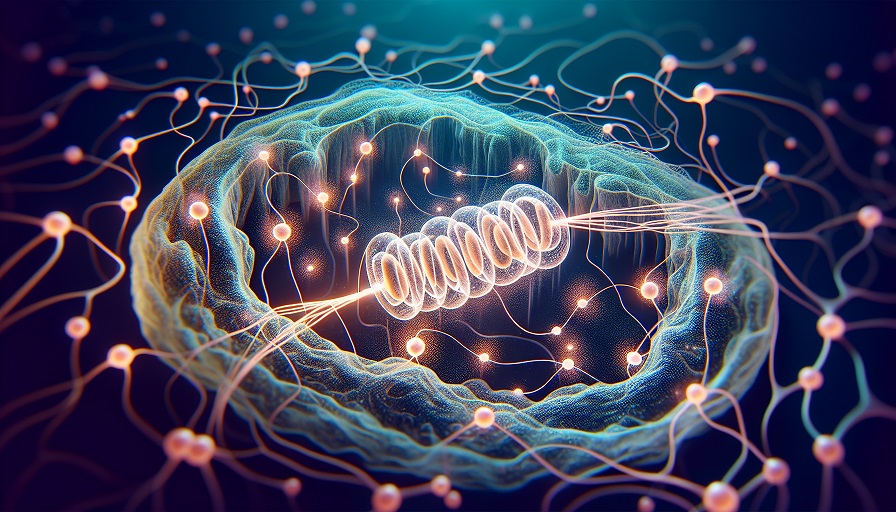
At some point, many people notice a shift that is hard to explain. You can still “do the things,” but your body feels less forgiving. A late night costs more. A hard workout takes longer to recover from. Even your focus can feel a little less crisp, like your brain is running on an older laptop battery.
It is easy to blame age as if it is one single switch that flips. In reality, aging is a collection of changes happening across your body, right down to your cells. One of the biggest players in that story is also one of the smallest: your mitochondria.
Mitochondria are structures inside your cells that help turn nutrients and oxygen into ATP (adenosine triphosphate), the usable energy your body spends to think, move, repair, and recover. When mitochondrial function shifts over time, the effects can show up in everyday life as lower stamina, slower recovery, and changes in cognitive performance. This is why the mitochondria and aging connection has become such a hot topic in modern biology.
Contents
Why Mitochondria Matter More As You Get Older
Mitochondria are often called the “powerhouses” of the cell, but they are more like a combined power plant and maintenance crew. They do not only produce energy, they also influence how cells handle stress, how they communicate, and how well they repair damage. Aging affects all of those areas, which makes mitochondria a natural focal point.
ATP: The Energy You Actually Spend
Your body does not run on calories directly. Calories are potential energy. ATP is the immediate energy your cells use for everything from muscle contraction to neurotransmitter recycling. Because you keep only a small amount of ATP on hand, your cells must constantly produce more. When that production becomes less efficient, you may feel it even if your diet and routine look similar to what worked in your 20s.
High Demand Tissues Feel The Changes First
Your heart, brain, and muscles have high energy demands. These tissues contain many mitochondria because they need a steady supply of ATP. That is one reason age-related changes can show up as a mix of physical fatigue and mental fatigue, not just one or the other.
What Changes In Mitochondria With Age
Aging is not just “wear and tear.” It includes changes in how cells produce energy, manage oxidative stress, and maintain internal quality control. Scientists study mitochondria in aging because they sit at the crossroads of these processes.
Energy Production Can Become Less Efficient
In general terms, mitochondria can become less efficient over time. That does not mean you suddenly have no energy, it means the same task can feel more expensive. You might notice it when climbing stairs, keeping up with intense workouts, or staying mentally sharp through a long day.
Oxidative Stress And Cellular “Exhaust”
When mitochondria produce energy, they also generate byproducts often discussed in the context of oxidative stress. Your body has built-in antioxidant defenses to handle this. Over time, the balance between oxidative stress and defense can shift. If the system is strained, it may affect how resilient cells feel under pressure.
Cellular Quality Control Can Slow Down
Your cells have systems for identifying and recycling damaged components, including older mitochondria. This process is part of cellular housekeeping. When that housekeeping becomes less robust, cells may accumulate more “wear,” which can influence energy and recovery.

How Mitochondria Tie Into Longevity And Vitality
Longevity is not only about adding years, it is about adding capable years. Vitality often comes down to how well your body maintains energy, repair, and resilience. Mitochondria influence all three, which is why they are linked to healthy aging conversations.
Muscle Health And Mobility
Muscle is not only for strength, it is also a key tissue for metabolic health and independence as you age. Mitochondria support muscle function and recovery by helping produce ATP. Supporting muscle through strength training and protein intake can indirectly support the energy systems that keep you active.
Brain Energy And Cognitive Performance
The brain uses a large share of the body’s energy budget. Focus, memory, and mental stamina rely on steady ATP supply. Sleep, hydration, blood sugar stability, and stress regulation all affect how the brain experiences energy. Mitochondria sit in the middle of that reality, especially as you get older and recovery becomes more valuable.
Inflammation, Recovery, And Resilience
Recovery is an energy task. Tissue repair, immune regulation, and adaptation to exercise all require ATP. If energy production is strained, you might feel slower bounce-back from stress, workouts, travel, or even a busy week.
Daily Habits That Support Healthy Mitochondrial Function
You cannot stop aging. You can influence how well your body handles it. Mitochondria respond to patterns, especially sleep, movement, nutrition quality, and stress. The goal is not perfection. The goal is stacking small wins that make energy production easier.
Prioritize Strength Training For Functional Aging
Strength training supports muscle, bones, and metabolic health. It also improves the body’s ability to use fuel effectively. If you are new to it, start with simple movements and progress gradually. Consistency is more important than intensity.
Eat For Nutrient Density, Not Just Calories
Calories measure energy content, not nutritional quality. Energy pathways rely on micronutrients like B vitamins and minerals, plus a variety of plant compounds. Build meals around protein, colorful plants, and quality fats, then add carbohydrates that support stable energy, such as fruit, beans, oats, and potatoes.
Protect Sleep Like A Recovery Strategy
Sleep is when the body coordinates repair and regulation. Try to keep a consistent wake time, reduce bright screens close to bedtime, and create a wind-down routine that tells your nervous system it is safe to power down. Better sleep can improve how energy feels even before you change anything else.
Lower The “Always On” Stress Load
Chronic stress can drain energy by increasing demand and disrupting sleep. Add small resets throughout the day: a brief walk outside, slow breathing, stretching, or a few minutes of quiet. It can feel almost too simple, but the nervous system responds to repeated signals of safety.
The Takeaway: Aging Is A Cellular Story
The mitochondria and aging connection matters because mitochondria influence the energy your body can actually use, along with resilience and recovery. As mitochondrial efficiency and cellular housekeeping shift over time, many people notice changes in stamina, cognition, and bounce-back. The encouraging part is that mitochondria respond to daily habits. Movement, strength training, nutrient-dense meals, sleep consistency, hydration, and stress management all support the systems that keep you feeling capable as the years add up.