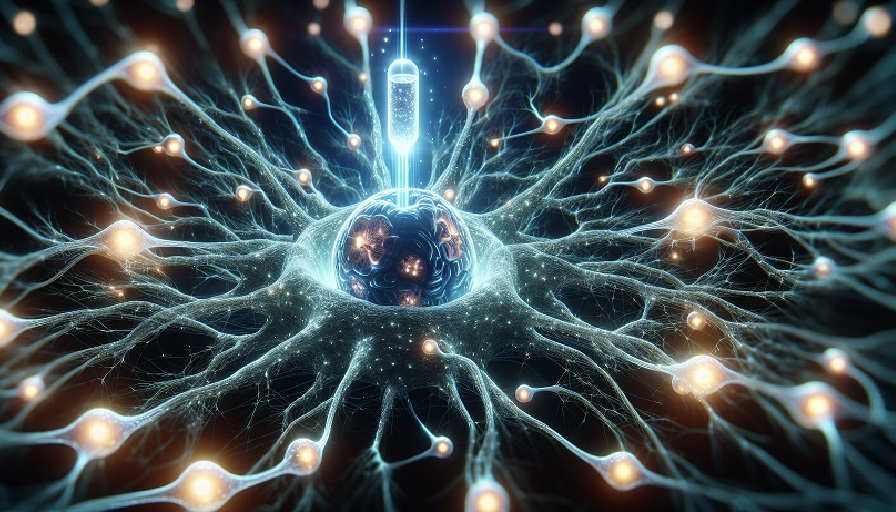
When people think about brain performance, they usually think about productivity hacks: better to-do lists, nootropic coffee, noise-canceling headphones, maybe a very optimistic new planner. Those tools can help, but they often miss the most basic question.
Does your brain have enough usable energy to do the work you are asking it to do?
Cognitive performance, including focus, memory, processing speed, and mental stamina, is built on cellular energy. The brain runs on ATP (adenosine triphosphate), the energy currency your cells spend every second. Mitochondria, the structures inside your cells often called “powerhouses,” help convert nutrients and oxygen into ATP. Because the brain is energy hungry, mitochondrial function plays a surprisingly direct role in how sharp you feel day to day.
This is the overlooked link: cognition is not only psychological, it is metabolic and cellular. When brain cells have steady energy, performance tends to feel smoother. When energy is strained, the mind can feel like it is trying to stream a video on weak Wi-Fi.
Contents
The Brain Is An Energy Hog, And That Is By Design
The brain has an expensive job. It must process information, coordinate movement, manage emotions, plan ahead, and respond to the world quickly. All of this requires continuous signaling between neurons, and that signaling costs energy.
What ATP Supports In Cognitive Function
ATP powers basic cellular tasks that make thinking possible: maintaining electrical gradients, sending signals, recycling neurotransmitters, and maintaining cell membranes. These processes influence attention, working memory, reaction time, and the ability to stay mentally engaged for long stretches.
Why Mental Stamina Is Often The First Thing To Slip
You can sometimes push through with adrenaline, caffeine, or sheer stubbornness. But mental stamina usually reveals the truth. If your brain’s energy supply is strained, you may still perform, but it feels harder and the fatigue shows up sooner.
Mitochondria: The Brain’s Power Plants
Mitochondria help produce ATP from nutrients and oxygen. The brain contains many mitochondria because it needs constant energy output. This is why supporting mitochondrial function is relevant not only for physical energy, but also for mental clarity.
Energy Production And Brain Resilience
A resilient brain can handle a long day, a demanding project, or a stressful season with fewer cognitive crashes. Energy does not solve every problem, but it supports your ability to respond without feeling mentally flattened.
Mitochondria And The “Clarity Threshold”
Many people describe a threshold. On good days, they feel sharp and capable. On low-energy days, they feel distractible, forgetful, and mentally slow. That threshold is often influenced by sleep, fuel stability, hydration, stress load, and movement, all of which affect cellular energy production.

What Disrupts Mitochondrial Support For Cognition
If you want better cognitive performance, it helps to know what commonly pulls energy away from the brain or disrupts the supply chain.
Fragmented Sleep
Sleep is the brain’s reset. It supports memory consolidation and recovery. Fragmented sleep can reduce attention, increase emotional reactivity, and make the brain feel less efficient. If you wake up unrefreshed most mornings, sleep quality may be the starting point.
Blood Sugar Instability
Many people notice they think better on steady meals and worse after meals that spike and crash energy. A refined-carb meal can cause a quick lift and then a dip that feels like fog. Meals built around protein, fiber, and healthy fats often support steadier cognition.
Dehydration
Hydration supports circulation and oxygen delivery, which influence cellular energy. Mild dehydration can show up as headaches and poor concentration. If you feel foggy, water is one of the simplest first steps.
Chronic Stress And Cognitive Overload
Stress keeps the brain in monitoring mode. Combine that with constant notifications and task switching and mental energy drains quickly. The brain can be busy all day and still feel unproductive, which is one of the most frustrating forms of fatigue.
Sedentary Habits
Movement supports blood flow and metabolic regulation. Many people notice better clarity after a walk. If you sit for long stretches, mental performance can feel dull, even if you are not physically tired.
How To Support Mitochondria For Better Cognitive Performance
Supporting brain energy does not require complicated interventions. It requires repeatable habits that keep fuel stable, improve recovery, and reduce unnecessary drain.
Build A Brain-Friendly Meal Pattern
Start with breakfast and lunch, because they often determine the afternoon. Protein plus fiber plus healthy fat is a reliable template. Examples include eggs and vegetables, Greek yogurt with berries and nuts, or a protein-focused lunch with beans, vegetables, and a quality fat.
Use Movement As A Clarity Switch
Short movement breaks can sharpen thinking. A ten-minute walk, light stretching, or a few minutes of stairs can increase blood flow and reduce stress chemistry. If your brain feels stuck, try moving before you try more caffeine.
Protect Sleep Consistency
Keep a steady wake time when possible. Get morning light. Reduce bright screens at night. These steps help the brain recover and support mental stamina the next day.
Support Cellular Energy With Key Nutrients
In mitochondrial support conversations, a few nutrients are mentioned frequently. Niacinamide (a form of vitamin B3) is involved in cellular energy pathways. D-ribose is a building block used in ATP-related compounds. Resveratrol, a plant compound, is widely studied for its relationship to cellular aging and stress response. Many people include these nutrients as part of a broader strategy for supporting mental clarity and cognitive performance.
Reduce The Hidden Energy Leaks
Turn off non-essential notifications, batch similar tasks, and create one or two protected focus blocks each day. These changes reduce task switching, which lowers cognitive drain and preserves mental energy.
The Takeaway: Cognitive Performance Is Cellular Performance
The overlooked link between mitochondria and cognition is simple: your brain runs on ATP, and mitochondria help produce ATP. When your energy supply is supported, focus, memory, and mental stamina tend to be easier to maintain. Stable meals, hydration, movement, consistent sleep, stress management, and supportive nutrients like niacinamide, D-ribose, and resveratrol can all contribute to a brain that feels clearer and more capable day to day.