Energy is a surprisingly honest messenger. It does not care about your intentions. You can be excited about your goals and still feel drained. You can have a “healthy” routine on paper and still crash every afternoon. Your energy levels are not just a vibe, they are feedback.
The tricky part is that most people interpret energy feedback too narrowly. They assume low energy means they need more sleep or more coffee. Those can help, but energy is often a whole-body signal that starts at the cellular level.
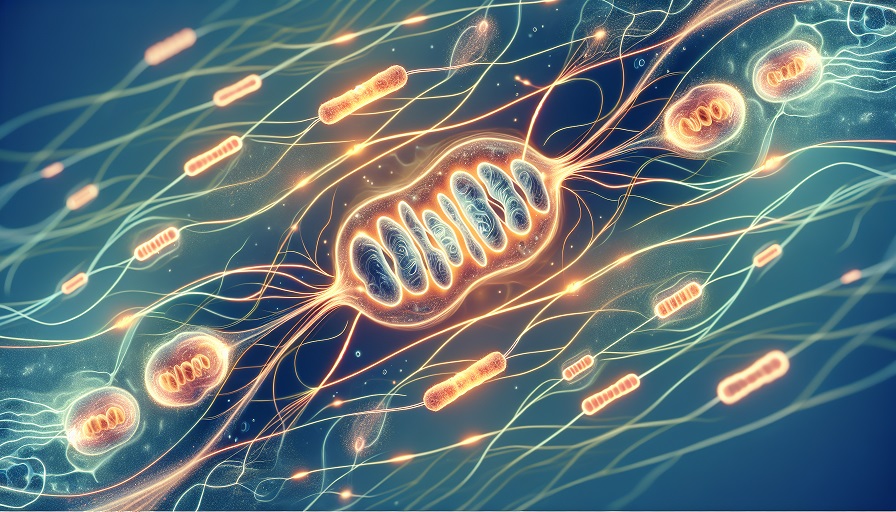
Your cells run on ATP (adenosine triphosphate), the usable energy currency the body spends for everything: thinking, moving, digesting, repairing, and recovering. Mitochondria, the structures inside your cells often called “powerhouses,” help convert nutrients and oxygen into ATP. When the ATP pipeline is steady, energy feels steadier. When the pipeline is strained, energy becomes unpredictable, and your daily patterns start telling a story.
Contents
- Energy Patterns Are More Useful Than Single Days
- Pattern One: Waking Up Tired Most Mornings
- Pattern Two: The Afternoon Crash
- Pattern Three: A “Second Wind” At Night
- Pattern Four: Brain Fog And Shorter Mental Stamina
- Pattern Five: Exercise Feels Harder Than It Should
- How To Use Energy Levels As A Wellness Tool
- The Takeaway: Your Energy Is Data
Energy Patterns Are More Useful Than Single Days
Everyone has off days. A late night, a stressful deadline, or a heavy meal can change energy. The key is pattern recognition. When you notice the same energy dips repeatedly, your body is giving you consistent data.
Think In Trends, Not Perfection
Instead of asking, “Why am I tired today?” ask, “When do I feel tired, and what consistently happens before it?” That question helps you spot causes like sleep quality, meal composition, hydration, stress, and movement levels.
Pattern One: Waking Up Tired Most Mornings
If you wake up tired often, the issue is not always how many hours you slept. It is often how restorative your sleep was.
What It Can Reveal
- Sleep fragmentation from stress, screens, late meals, or alcohol
- Inconsistent sleep schedule that disrupts circadian rhythm
- Breathing-related sleep issues (snoring, possible sleep apnea)
- High stress load that keeps the nervous system in alert mode
Restorative sleep supports cellular repair and metabolic regulation, which support ATP production the next day. If you wake up tired, focus on sleep consistency and quality first.
Pattern Two: The Afternoon Crash
The classic 2:30 p.m. slump is one of the most common energy patterns. Many people blame willpower. Often it is fuel stability.
What It Can Reveal
- Breakfast or lunch heavy in refined carbs and light in protein and fiber
- Long gaps between meals followed by a high-sugar snack
- Dehydration building through the day
- Low movement and long sitting stretches
Balanced meals with protein, fiber, and healthy fats often smooth out blood sugar swings, which supports steadier ATP supply for the brain and body.
Pattern Three: A “Second Wind” At Night
Feeling tired all day and then suddenly awake at night can be confusing. It often makes people think their body is broken. More often, it reflects stress chemistry and rhythm mismatch.
What It Can Reveal
- Stress-driven alertness that shows up when you finally stop working
- Too much caffeine too late in the day
- Not enough morning light exposure to anchor your circadian rhythm
- Too much screen light close to bedtime
If this pattern is common, shifting morning light and evening screen habits can help recalibrate energy timing.

Pattern Four: Brain Fog And Shorter Mental Stamina
Brain fog is often described as slow thinking, poor focus, forgetfulness, and reduced mental stamina. Because the brain is energy intensive, brain fog is frequently an energy supply signal.
What It Can Reveal
- Sleep debt and poor sleep quality
- Blood sugar swings and inconsistent meals
- Dehydration
- Chronic stress and constant notifications
- Low movement and low circulation
Small changes like hydration, a balanced meal, or a short walk can sometimes improve clarity quickly, which is a clue that the issue is energy-related.
Pattern Five: Exercise Feels Harder Than It Should
Workouts are supposed to be challenging, but they should not feel like you are dragging a piano up a hill every time. If exercise tolerance drops and recovery takes longer, your energy budget may be tight.
What It Can Reveal
- Inadequate recovery and inconsistent sleep
- Low nutrient density and insufficient protein
- High life stress that keeps the body in a high-demand state
- Too much intensity without enough base movement
Sometimes the solution is not “stop exercising,” it is adjusting intensity, supporting recovery, and building consistency.
How To Use Energy Levels As A Wellness Tool
Once you notice patterns, the next step is simple experiments. You are not guessing. You are testing.
Try A Stable-Fuel Week
For one week, make breakfast and lunch protein-forward with fiber and healthy fats. Keep snacks balanced too. Many people notice energy smoothing within days because fuel stability supports steadier ATP supply.
Add A Ten-Minute Post-Meal Walk
Walking after meals supports blood sugar regulation and circulation. It is one of the easiest ways to improve the energy environment without adding more stress to your schedule.
Hydrate Earlier And More Consistently
Pair water with meals and breaks. If you drink a lot of coffee, make hydration a deliberate habit, not an afterthought.
Support Mitochondria With Key Nutrients
Some nutrients are frequently discussed for mitochondrial support and cellular energy. Niacinamide (a form of vitamin B3) supports cellular energy pathways. D-ribose is a building block used in ATP-related compounds. Resveratrol, a plant compound, is widely studied for its relationship to cellular aging and stress response. Many people include these nutrients alongside lifestyle habits to support steadier energy patterns.
The Takeaway: Your Energy Is Data
Your energy levels are not random. They are feedback about your cellular energy system, your recovery habits, and your daily inputs. ATP production powers your brain and body, and mitochondria help produce ATP from nutrients and oxygen. When you learn to read your energy patterns and support the basics, energy becomes steadier and more predictable, and you stop blaming motivation for what is often a cellular story.