If you grew up thinking fruits and vegetables are “healthy,” you were not wrong. But the reason they matter goes deeper than vitamins and fiber. Plants contain special compounds that act like tiny messengers, helping your body handle stress, support recovery, and maintain healthier cellular function over time.
These compounds are often called phytonutrients (or phytochemicals). They are not calories. They are not protein. They are not essential in the same way vitamin C is essential. But they can be highly influential, especially when you think in terms of long-term cellular health.
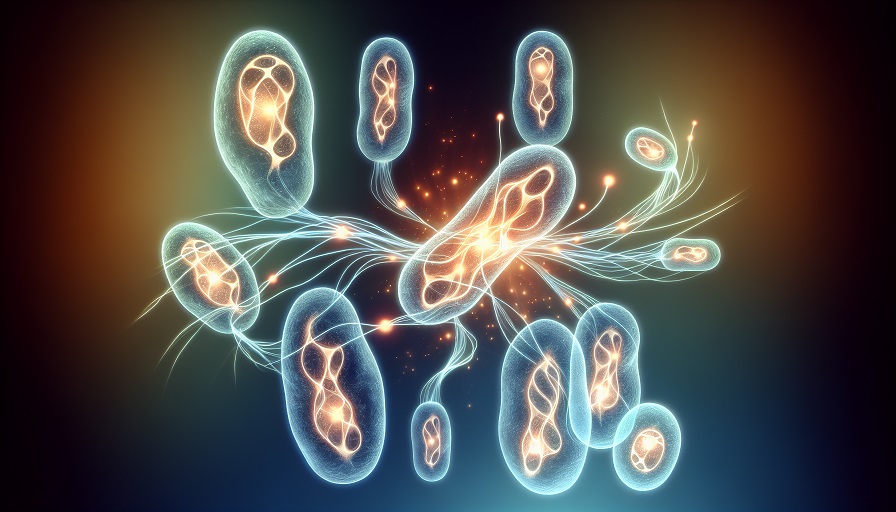
Your cells run on ATP (adenosine triphosphate), the usable energy currency that powers everything from brain function to muscle contraction to immune regulation. Mitochondria, the “powerhouses” inside cells, help convert nutrients and oxygen into ATP. Plant compounds can support the cellular environment that allows mitochondria and other systems to operate smoothly, especially under modern stress load.
Contents
- What Plant Compounds Actually Do
- Plant Compounds And Mitochondria: The Energy Connection
- Key Categories Of Plant Compounds Worth Knowing
- Resveratrol: A Plant Compound People Talk About A Lot
- How To Get More Plant Compounds Without Overthinking It
- The Takeaway: Plants Support The Cellular Environment That Supports You
What Plant Compounds Actually Do
Plants produce protective compounds because they cannot run away from stress. They deal with sun, pests, weather shifts, and damage using chemistry. When humans eat plants, we often benefit from those same protective strategies.
They Support The Body’s Stress Response
Many plant compounds interact with the body’s internal stress-response systems. This matters because stress is expensive. When your body is constantly managing stress signals, energy demand rises and recovery can suffer.
They Help Maintain A Healthier Inflammatory Balance
Inflammation is a normal part of immune function and repair. The issue is not inflammation itself, it is chronic imbalance. Diet patterns rich in colorful plant foods are frequently associated with better inflammatory balance, which can support energy and recovery over time.
They Support Cellular Protection And Recovery
Cells face oxidative stress as a normal part of metabolism. Many plant compounds are known for antioxidant-related activity, which can support the body’s ability to maintain cellular function under pressure.
Plant Compounds And Mitochondria: The Energy Connection
Because mitochondria are involved in ATP production, they are central to energy and vitality. Plant compounds do not “create energy” directly like calories do, but they can support the environment in which energy production happens.
Why Energy Feels Better When Recovery Is Better
Recovery is an energy task. If your body is constantly dealing with stress load, poor sleep, and inflammation imbalance, ATP demand increases. Plant-rich eating patterns can support recovery and resilience, which often makes energy feel steadier.
Why The Brain Cares About Plant Compounds Too
The brain is energy intensive and sensitive to stress chemistry. Many people notice that when their diet includes more nutrient-dense, plant-rich meals, mental clarity improves. That is not magic. It is a systems effect: fuel stability, micronutrient support, and better recovery add up.
Key Categories Of Plant Compounds Worth Knowing
You do not need to memorize chemistry terms to benefit from plant compounds. But it helps to know the broad categories and where they show up in real food.
Polyphenols
Polyphenols are a large group of plant compounds found in foods like berries, cocoa, olives, tea, and many herbs and spices. They are often discussed in connection with cellular aging, metabolic health, and stress response.
Flavonoids
Flavonoids are a type of polyphenol found in apples, onions, citrus fruits, and many colorful plants. Quercetin is one example that is often mentioned in cellular health discussions.
Carotenoids
Carotenoids are pigments that give plants bright colors, such as orange and red. Think carrots, sweet potatoes, peppers, and leafy greens. They are often discussed for their role in cellular protection and overall health.
Sulfur-Containing Compounds
Foods like garlic, onions, and cruciferous vegetables (broccoli, kale, cauliflower) contain sulfur-containing compounds that support the body’s detoxification and protective systems.
Curcuminoids
Curcumin, found in turmeric, is often discussed for inflammation balance and cellular support. Many people use turmeric in cooking because it is an easy way to add a supportive compound to meals.
Resveratrol: A Plant Compound People Talk About A Lot
Resveratrol is one of the most discussed plant compounds in cellular health conversations. It is found in small amounts in foods like grapes and berries and is also commonly sourced from Japanese knotweed (Polygonum cuspidatum).
Why Resveratrol Shows Up In Cellular Health Discussions
Resveratrol is widely studied for its relationship to cellular aging and stress response. It is often mentioned alongside broader mitochondrial support strategies because the way cells handle stress influences how energy feels over time.
How To Get More Plant Compounds Without Overthinking It
You do not need exotic superfoods. The most reliable strategy is variety.
Eat More Colors Across The Week
Different colors tend to represent different compounds. Aim for a mix of greens, reds, oranges, purples, and whites. You can do this by rotating fruits and vegetables rather than trying to eat everything every day.
Use Herbs And Spices Like A Daily Habit
Herbs and spices concentrate plant compounds in small amounts. Cinnamon, turmeric, oregano, rosemary, ginger, and garlic are easy additions that can increase phytonutrient intake without major changes.
Choose Plant-Rich Snacks
Berries, apples, citrus, carrots, and even a square of dark chocolate can be practical ways to add plant compounds. Pairing snacks with protein (like yogurt or nuts) can also support stable energy.
Support Cellular Energy With Key Nutrients
Plant compounds are one piece of the cellular puzzle. Some nutrients are frequently discussed specifically for mitochondrial and ATP support, including niacinamide (a form of vitamin B3 involved in cellular energy pathways) and D-ribose (a building block used in ATP-related compounds). Resveratrol is also widely discussed because of its relationship to cellular aging and stress response. Many people combine plant-rich eating patterns with these supportive nutrients as part of a broader approach to cellular health.
The Takeaway: Plants Support The Cellular Environment That Supports You
Plant compounds matter because they support the body’s stress response, recovery systems, and cellular protection, all of which influence how energy and vitality feel over time. While calories provide fuel, the cellular environment determines how smoothly that fuel becomes ATP. Mitochondria play a central role in ATP production, and plant compounds like resveratrol are often discussed alongside supportive nutrients such as niacinamide and D-ribose as part of a broader approach to cellular energy and whole-body wellness.