
Have you ever had one of those nights where you are exhausted, you finally get in bed, and your brain decides it is time to host a talk show? The guests are old worries, future plans, and that one awkward thing you said in 2014. Everyone gets a microphone.
Stress and sleep are tightly linked, and when one goes sideways, the other usually follows. What many people do not realize is that there is a quieter biological thread woven through both: oxidative stress. It is not the only factor, and it is not a trendy explanation for everything, but it is an important part of the recovery story.
Oxidative stress is an imbalance between reactive molecules and your body’s ability to manage them. Some reactive activity is normal and helpful, but chronic overload can influence inflammation signals, mitochondrial function, and nervous system balance. Those are all players in how you feel during the day and how well you sleep at night.
Contents
Oxidative Stress: The Helpful Version And The Harmful Version
Oxidative stress is often talked about like it is a villain twirling a mustache. In reality, reactive molecules are part of normal biology. You create them when you make energy, exercise, fight infections, and respond to environmental changes.
Reactive Molecules Are Part Of Adaptation
When you work out, for example, you create oxidative stress. That stress can trigger the body to adapt, making you stronger and more resilient. In this context, reactive activity is a signal, a “hey, build capacity” message.
Chronic Overload Is The Problem
Oxidative stress becomes a concern when it is excessive or constant. It is like revving a car engine while the brakes are on. Over time, systems wear down and recovery becomes less efficient.
Common contributors include:
- Chronic psychological stress
- Short or poor-quality sleep
- High-intensity exercise without enough recovery
- Diets low in micronutrients and high in ultra-processed foods
- Alcohol, smoking, pollution, and other environmental exposures
How Oxidative Stress Connects To Stress Levels
When people say they feel stressed, they are usually describing a mix of nervous system activation, hormonal changes (especially cortisol), and subjective mental load. Oxidative stress can interact with this in a few ways.
It Can Amplify Inflammation Signals
Oxidative stress and inflammation often reinforce each other. More oxidative load can increase inflammatory signaling, and inflammation can increase oxidative load. This feedback loop may contribute to that “wired but tired” experience where you feel overstimulated and depleted at the same time.
It Can Strain Mitochondria And Energy Stability
Mitochondria are your cellular energy producers, and they are sensitive to oxidative load. When energy production feels less stable, you may feel more reactive to stressors. When you are running low, small problems feel big. It is not because you are weak, it is because your system is taxed.
It Can Influence Nervous System Balance
Your autonomic nervous system has two broad modes: “go” and “restore.” Chronic stress tends to keep you in “go.” When oxidative stress is high, recovery signaling can be less smooth, and it can feel harder to shift into calm.
How Oxidative Stress Connects To Sleep Quality
Sleep is when your body does a lot of repair work: hormone regulation, memory processing, immune balancing, and tissue recovery. It is also when your brain takes out the trash (metaphorically, but also kind of literally).
Poor Sleep Increases Oxidative Load
Short sleep and fragmented sleep can raise oxidative stress. That makes sense: you are awake longer, running metabolism longer, and missing part of your repair window.
High Oxidative Stress Can Make Sleep Less Restorative
If your system is inflamed or overactivated, sleep can become lighter and less refreshing. You might sleep “enough hours” but still wake up feeling like you did not fully recharge.
The Vicious Cycle
This is where many people get stuck:
- Stress increases poor sleep.
- Poor sleep increases oxidative stress.
- Higher oxidative stress makes you feel more reactive and less resilient.
- That reactivity increases stress again.
The good news is that cycles work both ways. Small positive changes can also compound.
Where Hydrogen Water Fits Into Stress And Sleep Support
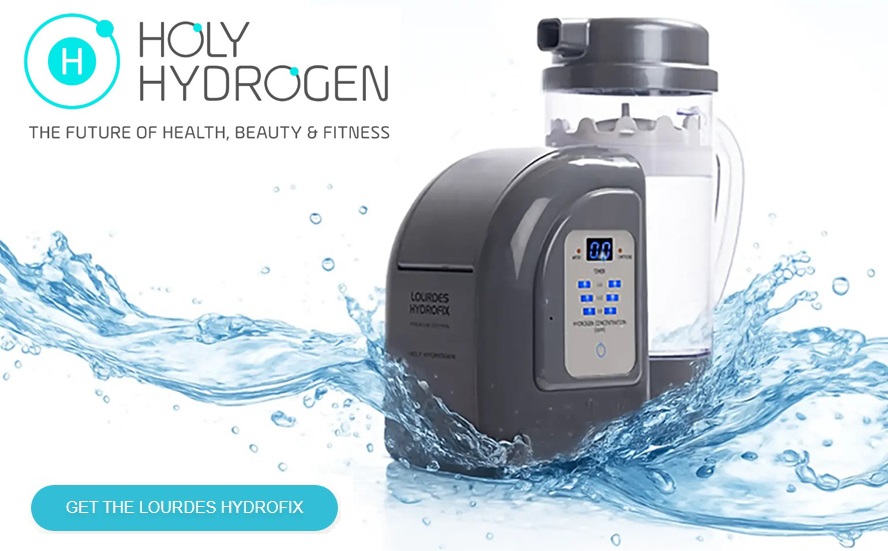
Hydrogen-rich water is water with dissolved molecular hydrogen gas (H2). H2 is studied for its potential role in oxidative balance and inflammation-related signaling. Because oxidative stress is tied to recovery and nervous system resilience, some people use hydrogen water as a supportive tool for calmer days and better nights.
Hydration Alone Is A Sleep Tool
Hydration supports circulation and metabolic efficiency. Many people sleep better when their daytime hydration is consistent. The key is to front-load fluids earlier in the day so you are not waking up to use the bathroom at 2 a.m.
Hydrogen As An “Upgrade” To Recovery
Some people use hydrogen water in the evening because they want to support recovery signals. Others use it in the morning to help their system feel steadier during the day. Either way, the best timing is the one that fits your life and helps you stay consistent.
Quality And Freshness Matter
Hydrogen dissipates over time, especially after opening a container. If you make hydrogen water at home, drinking it soon after production is a common way to get more dissolved H2.
Key Takeaways
- Oxidative stress is normal, but chronic excess can strain recovery systems.
- Oxidative stress and inflammation signals can influence stress reactivity and sleep quality.
- Poor sleep increases oxidative load, and high oxidative load can make sleep less restorative.
- Sleep hygiene, nutrition, movement, and breathwork can reduce strain and support better recovery.
- Hydrogen-rich water supports hydration and may support oxidative balance as part of a recovery-focused routine.
Frequently Asked Questions
Can Oxidative Stress Really Affect Sleep?
Oxidative stress is connected to recovery and inflammation signaling, which can influence how restorative sleep feels. It is one factor among many, but reducing overload can support better sleep quality.
What Is The Fastest Way To Calm Down Before Bed?
Many people benefit from dimming lights, reducing screens, and doing 3 to 5 minutes of slow breathing. A short walk or gentle stretching can also help.
When Should I Drink Hydrogen Water For Sleep Support?
Some people prefer it earlier in the day for steadier stress resilience, while others use it in the evening as part of a wind-down routine. Choose a time that supports consistency and does not disrupt sleep with extra nighttime bathroom trips.