
Soursop has been a fixture in traditional medicine across the Caribbean, Latin America, and West Africa for centuries. Healers and communities in those regions didn’t need clinical trials to tell them the plant was doing something worthwhile. But for those of us who like to see the science before committing to a supplement, the good news is that researchers have been paying close attention to this remarkable fruit, and the findings are genuinely compelling.
Known scientifically as Annona muricata and commonly called graviola in Brazil, soursop has been the subject of hundreds of published studies examining everything from its antioxidant capacity to its effects on inflammation, blood sugar, and more. What follows is a grounded, research-informed look at seven benefits that have earned credibility in the scientific literature. This isn’t hype. It’s what the evidence actually says.
Contents
1. Powerful Antioxidant Protection
Oxidative stress is one of the central drivers of cellular aging and chronic disease. It occurs when free radicals, unstable molecules produced by everything from normal metabolism to environmental pollutants, outnumber the body’s ability to neutralize them. Soursop is exceptionally well-equipped to tip that balance back in your favor.
Multiple studies have confirmed that soursop extract exhibits strong antioxidant activity. A study published in the journal Food Chemistry found that soursop pulp contains significant levels of phenolic compounds, flavonoids, and vitamin C, all of which demonstrated free radical scavenging activity in laboratory testing. The leaf extract has shown particularly high antioxidant potency, which is one reason standardized leaf-based supplements tend to be the preferred formulation among health-conscious consumers. When the body has reliable antioxidant support, it is better positioned to protect cells, tissues, and DNA from oxidative damage over the long term.
2. Anti-Inflammatory Effects
Chronic low-grade inflammation is quietly implicated in a long list of modern health concerns, from joint discomfort to cardiovascular strain. Soursop has drawn research attention for its potential to help modulate inflammatory responses in the body.
Animal studies have shown that soursop leaf extract can reduce markers of inflammation, including key cytokines involved in the inflammatory cascade. The plant’s flavonoids, including luteolin and quercetin, are thought to be partly responsible for these effects, as both compounds have well-documented anti-inflammatory properties in the scientific literature. While human clinical trials are still limited, the mechanistic evidence is solid enough that researchers continue to investigate soursop as a natural complement to anti-inflammatory wellness strategies. For anyone dealing with the kind of low-level, persistent inflammation that accumulates with age and modern life, that’s a research thread worth following.
3. Immune System Support
A well-functioning immune system doesn’t just protect you during cold and flu season. It is working around the clock, surveilling for threats, clearing cellular debris, and maintaining the kind of internal order that keeps you feeling well day to day. Soursop supports this ongoing work through several mechanisms.
Vitamin C and Immune Signaling
The vitamin C content in soursop plays a direct role in immune function by stimulating the production and activity of white blood cells, the body’s primary defenders against pathogens. Vitamin C also protects immune cells themselves from oxidative damage, which helps them stay functional under the kind of oxidative pressure that illness creates. Research published in Nutrients has reinforced that adequate vitamin C intake is strongly associated with a more robust immune response, and soursop provides a meaningful contribution to that daily intake.
Antimicrobial Properties
Beyond vitamin C, laboratory studies have found that soursop extracts demonstrate antimicrobial activity against a range of bacteria and fungi. While this research has largely been conducted in vitro rather than in human subjects, it adds another layer to the picture of soursop as a plant with genuine immune-relevant properties. Traditional practitioners who used soursop preparations to address infections were, it seems, observing something real.
4. Blood Sugar Regulation
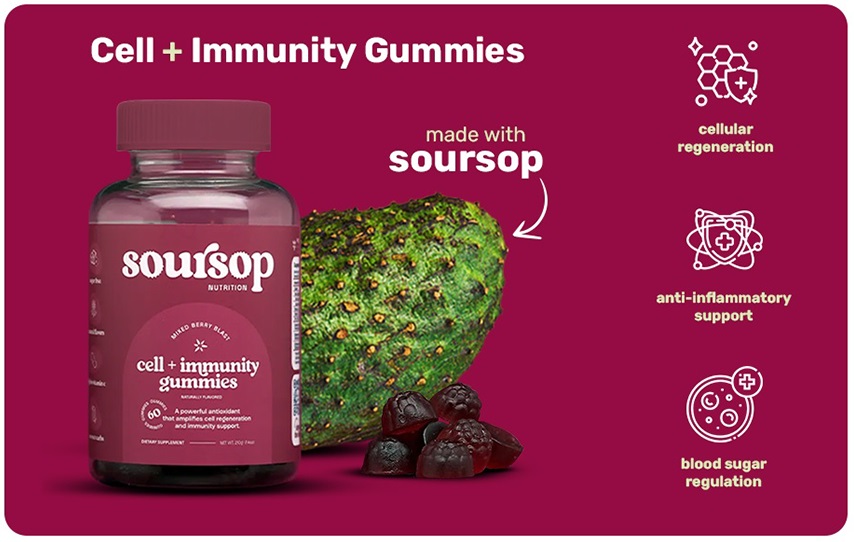
Managing blood sugar is a priority for a growing number of people, whether they are dealing with diagnosed metabolic conditions or simply trying to avoid the energy crashes and long-term risks that come with blood sugar instability. Soursop has shown promise in this area across several animal studies.
Research conducted on diabetic animal models found that soursop leaf extract helped reduce fasting blood glucose levels and improved markers of insulin sensitivity. The proposed mechanisms involve both the inhibition of certain enzymes involved in carbohydrate digestion and the protection of pancreatic beta cells from oxidative damage. These cells are responsible for producing insulin, so preserving their health is critical to maintaining blood sugar balance. While human trials are needed to confirm the magnitude of these effects in people, the early data is encouraging and consistent enough to generate ongoing scientific interest.
5. Digestive Health and Gut Support
The relationship between gut health and overall wellness has become one of the most productive areas of health research in recent years, and soursop has a role to play here too. The fruit’s dietary fiber content supports healthy digestive transit and feeds beneficial gut bacteria, the kind of microbial community that influences everything from nutrient absorption to mood regulation.
Additionally, soursop has traditionally been used across multiple cultures as a remedy for digestive discomfort, including nausea and gastric irritation. Laboratory studies have examined the plant’s potential gastroprotective effects, with some research suggesting that soursop extracts may help protect the stomach lining from ulcer-related damage. The compound mechanisms are still being clarified, but the convergence of traditional use and emerging laboratory evidence makes digestive support one of soursop’s more credible and interesting areas of benefit.
6. Potential Neuroprotective Properties
One of the more intriguing areas of soursop research involves its potential to support brain and nervous system health. A handful of studies have looked at soursop’s effects on neuroinflammation and oxidative stress in neural tissue, both of which are implicated in age-related cognitive decline.
Animal studies have found that soursop leaf extract can reduce markers of oxidative stress in brain tissue and may help protect neurons from damage. Some researchers have pointed to the acetogenins in soursop as compounds of interest in this context, given their known bioactivity and their ability to cross certain biological barriers. It is worth being clear that this research is early stage and primarily animal-based. But the direction of the findings is consistent, and it has prompted scientists to continue investigating soursop as part of the broader conversation about plant-based neuroprotection. For a fruit with such a broad nutritional profile, the potential overlap with cognitive wellness is a genuinely exciting frontier.
7. Antibacterial and Antifungal Activity
Soursop’s traditional reputation as a plant with broad protective properties extends to its interactions with pathogens. Laboratory research has tested soursop extracts against a range of bacteria and fungi, including some strains that have shown resistance to conventional treatments, and the results have been consistently interesting.
Studies have found that soursop leaf and seed extracts inhibit the growth of bacteria including Staphylococcus aureus and Escherichia coli, as well as certain fungal species. The active compounds believed to drive this activity include the acetogenins and various alkaloids present in the plant. While it would be a stretch to position soursop as a replacement for medical treatments, these findings do reinforce the plant’s value as a broad-spectrum botanical with properties that extend well beyond basic nutrition. It’s one more thread in a tapestry of evidence that has been building for decades.
Frequently Asked Questions
These are some of the questions that arise most often when people start looking into the research on soursop and graviola.
Is Soursop the Same as Graviola?
Yes. Soursop and graviola both refer to the fruit of the Annona muricata tree. Graviola is the name used primarily in Brazil and Portuguese-speaking regions, while soursop is more common in English-speaking countries and the Caribbean. The same plant, the same compounds, just a different label depending on where you are in the world.
What Does the Research Say About Soursop and Cancer?
Laboratory studies have found that soursop’s acetogenins exhibit cytotoxic activity against certain cancer cell lines in vitro. This research is promising but preliminary. It has not been replicated in large-scale human clinical trials, and soursop should not be considered a cancer treatment or replacement for medical care. The findings have, however, generated significant ongoing research interest.
How Does Soursop Support the Immune System?
Soursop supports immune health through its vitamin C content, which stimulates white blood cell production and protects immune cells from oxidative damage. Laboratory studies have also found antimicrobial properties in soursop extracts, suggesting the plant may help the body defend against certain pathogens.
Can Soursop Help with Blood Sugar?
Animal studies have shown that soursop leaf extract can lower fasting blood glucose and improve insulin sensitivity in diabetic models. The mechanisms involve enzyme inhibition and protection of insulin-producing cells. Human clinical evidence is still limited, but the early research is consistently encouraging.
Are Soursop Supplements Safe to Take Daily?
For most healthy adults, soursop supplements are generally well tolerated when taken as directed. However, high doses over extended periods have raised some concerns in research settings, particularly regarding neurological effects associated with certain alkaloids. As with any supplement, it is advisable to consult a healthcare provider before beginning regular use, especially if you are pregnant, nursing, or managing an existing health condition.