Somewhere between the rise of injectable weight-loss drugs and the internet’s love affair with “natural alternatives,” berberine became the supplement world’s most talked-about comeback kid. TikTok crowned it “nature’s Ozempic,” and search traffic for the compound went through the roof practically overnight. Whether you’re a skeptic, a curious newcomer, or someone already taking berberine with your morning coffee, one question sits at the center of it all: does it actually influence GLP-1, the hormone that makes drugs like semaglutide so powerful?
The short answer is: probably yes, at least in part. But the fuller picture is far more interesting than a simple yes or no, and worth understanding before you make any decisions about your health routine.
Contents
What GLP-1 Actually Does (and Why It Matters)
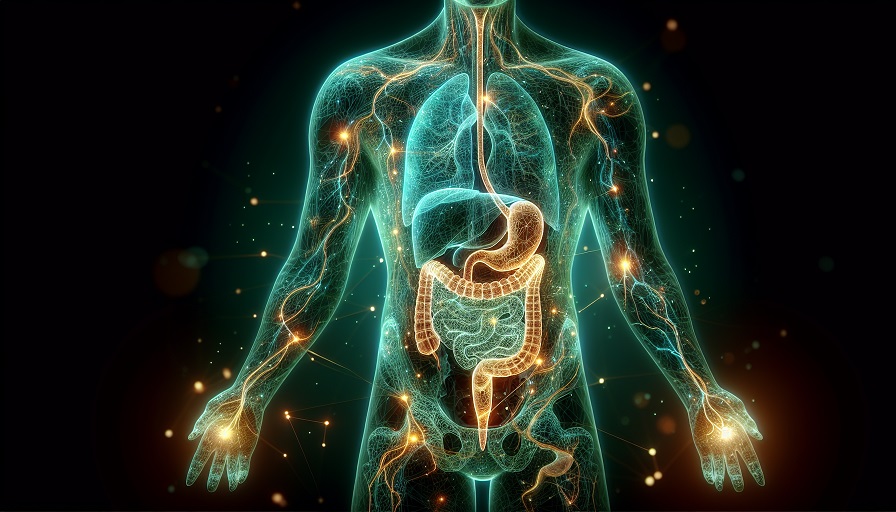
GLP-1, or glucagon-like peptide-1, is a hormone your gut produces naturally when you eat. Think of it as your body’s built-in traffic controller for blood sugar. It signals the pancreas to release insulin, taps the brakes on glucagon (which would otherwise raise blood sugar), slows gastric emptying, and, crucially, sends “I’m full” messages to your brain. It’s elegant, multifaceted biochemistry that evolution has been fine-tuning for millions of years.
The Pharmaceutical Shortcut
Drugs like semaglutide (Ozempic, Wegovy) are GLP-1 receptor agonists, meaning they mimic this hormone and bind to its receptors with a much longer half-life than the GLP-1 your body produces naturally. Your own GLP-1 breaks down in minutes; the pharmaceutical version sticks around for days. That staying power is a big part of what makes these drugs so effective for blood sugar management and weight loss.
Where Berberine Enters the Conversation
Berberine doesn’t mimic GLP-1 the way semaglutide does. Instead, research suggests it nudges your body to produce and preserve more of its own GLP-1. There’s an important distinction there, one that shapes realistic expectations about what this supplement can and cannot do.
The Science Behind Berberine and GLP-1 Production
Berberine is an alkaloid found in several plants, including barberry, goldenseal, and Oregon grape. It has been used in traditional Chinese and Ayurvedic medicine for centuries, originally for digestive complaints and infections. Modern researchers, armed with better tools, have been reexamining it through a metabolic lens with some genuinely compelling results.
AMPK Activation and the Gut Connection
One of berberine’s best-understood mechanisms is its activation of AMPK (AMP-activated protein kinase), sometimes called the “metabolic master switch.” When AMPK gets switched on, your cells become better at using glucose and fatty acids for energy. This overlaps in interesting ways with how GLP-1 receptor activation works, creating a kind of complementary effect on blood sugar regulation.
Several studies have found that berberine supplementation increases GLP-1 secretion from intestinal L-cells, the specialized gut cells responsible for releasing the hormone in response to food. A study published in the journal Metabolism found berberine elevated GLP-1 levels in diabetic patients while simultaneously improving insulin sensitivity. Another line of research points to berberine’s influence on the gut microbiome, which is increasingly recognized as a key player in GLP-1 production. By shifting the balance of gut bacteria toward more favorable strains, berberine may create an internal environment that’s simply better at releasing this appetite-regulating hormone.
What Human Trials Show
It would be dishonest to pretend the clinical picture is perfectly clear. Many of the most exciting berberine studies have been conducted in animal models or small human trials. That said, the human data we do have is encouraging. Multiple randomized controlled trials have shown berberine (typically 1,000 to 1,500 mg daily, split into doses) reduces fasting blood glucose, HbA1c, and triglycerides at rates that compare favorably to metformin in some populations. Whether GLP-1 elevation is the primary driver or just one of several mechanisms remains an active area of research.
Putting It in Perspective: Berberine vs. Ozempic
Here’s where a little intellectual honesty goes a long way. Calling berberine “nature’s Ozempic” makes for a great headline, but the comparison needs guardrails. Semaglutide produces average weight loss of around 15 percent of body weight in clinical trials. Berberine studies generally show more modest results, often in the range of 8 to 12 pounds over a few months for metabolic benefits, though individual responses vary considerably.
That doesn’t make berberine a disappointment. It makes it a supplement, which is a category with its own legitimate value. For people managing prediabetes, supporting healthy blood sugar, or looking for a complementary tool alongside lifestyle changes, berberine offers a meaningful, accessible, and relatively well-tolerated option. Many people also experience improvements in lipid panels and gut health as welcome bonus effects.
Who Might Benefit Most
Berberine tends to be most discussed in the context of blood sugar support, metabolic syndrome, and weight management. If any of those are areas you’re working on with a healthcare provider, it’s worth bringing berberine into that conversation. It does interact with certain medications, particularly those affecting blood sugar and blood pressure, so a chat with your doctor before starting is genuinely good advice rather than just legal boilerplate.
How to Get the Most from Berberine
Consistency is key to getting the most from Berberine. Berberine works cumulatively, meaning its effects on the gut microbiome and metabolic pathways build over weeks of regular use rather than delivering an overnight transformation. Anyone expecting dramatic change in a week is going to walk away disappointed. Those who stick with it for eight to twelve weeks tend to see the results that match what the research describes.
Pairing berberine with a diet that’s rich in fiber and low in ultra-processed foods creates a genuinely synergistic effect. Fiber feeds the gut bacteria that berberine helps cultivate. Fewer blood sugar rollercoasters mean GLP-1 doesn’t have to work as hard to compensate. The whole system runs more smoothly.
So is berberine the real deal? That depends on what you’re expecting it to deal with. As a pharmaceutical replacement, it doesn’t quite clear that bar. As a well-researched, plant-based metabolic support tool with real effects on GLP-1 production and blood sugar regulation, it absolutely holds its own. Nature rarely operates in blockbuster doses, but it does operate, and berberine is a pretty compelling example of that truth in action.
Frequently Asked Questions
Does Berberine Actually Increase GLP-1 Levels?
Research suggests berberine stimulates GLP-1 secretion from intestinal L-cells and may also preserve GLP-1 activity by inhibiting the enzyme DPP-4, which breaks it down. Human studies show measurable increases in GLP-1, though the magnitude is smaller than pharmaceutical GLP-1 agonists like semaglutide.
Is Berberine Safe to Take Every Day?
For most healthy adults, berberine is well-tolerated at typical doses of 1,000 to 1,500 mg daily. Some people experience mild digestive side effects, especially early on. It should not be taken during pregnancy and can interact with medications for blood sugar, blood pressure, and certain antibiotics. Always consult a healthcare provider before starting.
How Long Does Berberine Take to Work?
Most people need to take berberine consistently for four to twelve weeks before noticing meaningful changes in blood sugar markers, energy, or appetite regulation. Its effects on the gut microbiome in particular take time to develop.
Can Berberine Replace Ozempic or Other GLP-1 Drugs?
No. Berberine supports the body’s own GLP-1 production and has meaningful metabolic benefits, but it is not a pharmaceutical GLP-1 receptor agonist. It does not produce the same magnitude of weight loss or blood sugar reduction as drugs like semaglutide. Anyone managing diabetes or obesity should work with their doctor rather than substituting supplements for prescribed medication.