The phrase “metabolic health without medication” is not an anti-medicine position. It is a practical orientation shared by a very large number of people who are managing blood sugar concerns, weight challenges, or early-stage metabolic dysfunction and who, for any number of entirely reasonable reasons, are looking for what they can do before, alongside, or instead of pharmaceutical intervention. Some cannot afford prescription medications. Some have not yet reached the diagnostic thresholds that trigger prescriptions. Some simply prefer to start with approaches that work with the body’s existing systems rather than adding pharmacological agents to the picture. All of those are legitimate starting points, and they all lead to the same question: what does the evidence actually support?
Berberine and Akkermansia muciniphila are the two natural interventions with the strongest and most mechanistically coherent cases for supporting GLP-1 activity outside of pharmaceutical pathways. This guide is the most practical account of what they can do together, who should consider them, and how to use them in a way that gives them a genuine opportunity to deliver what the research suggests they are capable of.
Contents
Understanding the Metabolic Problem Both Supplements Address
Before getting into what berberine and Akkermansia do, it is worth being clear about the problem they are addressing. Metabolic dysfunction rarely arrives as a single dramatic event. It develops over years through a progressive deterioration of systems that are meant to work in concert: insulin sensitivity declines, blood sugar regulation becomes less precise, the gut environment that supports metabolic hormone production degrades, and GLP-1 secretion, one of the body’s primary blood sugar and appetite management tools, falls below the level needed to keep these systems in balance.
GLP-1 is the connective tissue of this story. When the gut produces adequate amounts of it in response to meals, insulin is released in proportion to blood glucose, gastric emptying slows to moderate nutrient absorption, and the brain receives satiety signals that reduce the drive to keep eating. When GLP-1 production is impaired, each of those functions degrades simultaneously, and the metabolic picture worsens in multiple directions at once. Berberine and Akkermansia address this impairment through different but complementary biological routes, which is what makes them a more complete natural GLP-1 support strategy than either one provides independently.
Why Medication Is Not Always the First or Only Answer
Pharmaceutical GLP-1 receptor agonists produce impressive metabolic outcomes, and for people with significant disease, they are often the most appropriate intervention available. But the metabolic dysfunction that leads to those diseases develops over a long runway of milder impairment, and that runway is where natural interventions have the most to offer. A person with prediabetes, modestly elevated triglycerides, and creeping waist circumference is not yet a candidate for semaglutide, but they are exactly the person for whom supporting GLP-1 naturally has the most meaningful preventive potential. Berberine and Akkermansia together are well positioned to intervene at that stage, addressing the gut-level dysfunction before it progresses to the point where pharmaceutical management becomes necessary.
What Berberine Contributes to Natural Metabolic Support
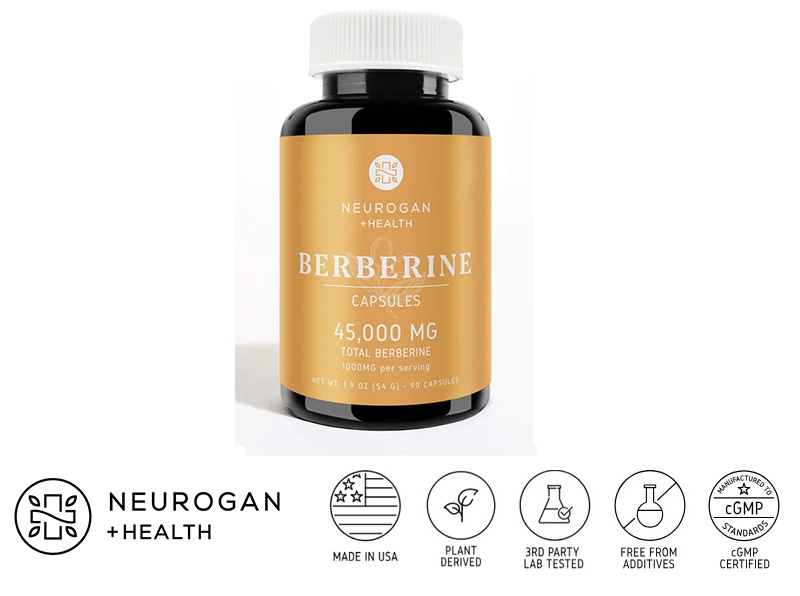
Berberine is the more established of the two supplements in terms of human clinical evidence, with decades of research and multiple randomized controlled trials documenting its metabolic effects. Its contributions to a natural GLP-1 and metabolic health protocol operate through several mechanisms that are relevant at different timescales.
Immediate and Near-Term GLP-1 Effects
Berberine’s most direct influence on GLP-1 comes from two fast-acting mechanisms. First, it stimulates intestinal L-cells directly by activating receptors that trigger GLP-1 secretion, adding to whatever the body is already producing in response to food. Second, it inhibits DPP-4, the enzyme that degrades GLP-1 within minutes of its release, extending the active lifespan of circulating hormone. Both effects operate within the timeframe of a single dose, which is why taking berberine before meals makes practical sense and why some people notice changes in postprandial appetite and energy within the first few weeks of use. These near-term contributions to GLP-1 activity are the most directly documented in human clinical research and provide measurable improvements in postprandial blood glucose and insulin sensitivity that accumulate with consistent use.
Longer-Term Metabolic Contributions
Beyond its GLP-1-specific effects, berberine activates AMPK throughout multiple tissue types, improving insulin sensitivity in muscle and liver cells independently of the GLP-1 pathway. It remodels the gut microbiome over weeks of use, selectively reducing metabolically unfavorable bacterial populations and promoting strains whose fermentation products support the SCFA-mediated GLP-1 stimulation that operates continuously in the background of gut metabolic activity. Its consistent effects on HbA1c, fasting glucose, LDL cholesterol, and triglycerides across multiple clinical trials give it a metabolic health profile that extends well beyond any single hormone pathway, adding breadth to a natural protocol that the GLP-1 mechanisms alone do not fully account for.
What Akkermansia Contributes to Natural Metabolic Support
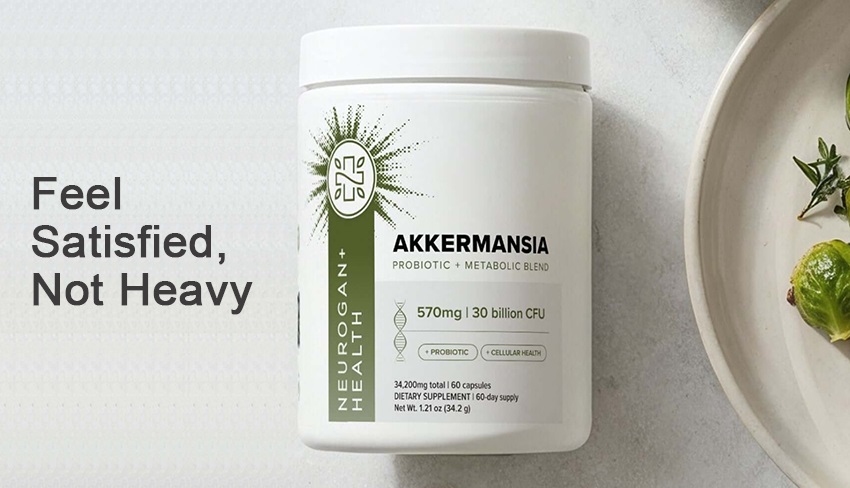
Akkermansia muciniphila operates at a level of gut biology that berberine cannot reach, which is precisely why their combination covers more metabolic ground than berberine alone. Where berberine works on the chemical and enzymatic dimensions of GLP-1 production and metabolic function, Akkermansia works on the structural and ecological dimensions that determine how effectively those chemical and enzymatic processes can operate.
Rebuilding the Foundation of GLP-1 Production
GLP-1-producing L-cells function within a biological environment that depends on the integrity of the intestinal mucus layer and the barrier quality of the epithelium beneath it. Akkermansia, by continuously feeding on and stimulating the renewal of the mucus layer, maintains the structural foundation on which effective L-cell secretory function depends. In people with depleted Akkermansia, this foundation has deteriorated: the mucus layer is thinner, the gut barrier is more permeable, systemic inflammation from bacterial translocation is elevated, and the L-cells are operating below their secretory potential regardless of what chemical signals are reaching them. Restoring Akkermansia addresses these structural deficits in ways that genuinely unlock greater GLP-1 production capacity, creating the conditions under which berberine’s direct chemical stimulation can work more effectively than it would in a compromised gut environment.
Reducing Metabolic Endotoxemia
One of Akkermansia’s most consequential contributions to metabolic health is its reduction of metabolic endotoxemia, the low-grade systemic inflammation produced when bacterial lipopolysaccharides cross a compromised gut barrier into the circulation. This inflammatory state impairs insulin receptor signaling, degrades hypothalamic sensitivity to GLP-1’s satiety signals, and undermines metabolic regulation at multiple levels simultaneously. Berberine reduces systemic inflammation through its own mechanisms, but it does not address the gut barrier breach that allows endotoxemia to develop in the first place. Akkermansia closes that breach by restoring the mucosal architecture that prevents it. Together they tackle metabolic inflammation from two distinct directions, producing a more comprehensive anti-inflammatory effect than either generates independently.
The Practical Guide: Using Berberine and Akkermansia Together
Building an effective natural metabolic health protocol with these two supplements requires attention to how they are used rather than simply whether they are used. Dose, timing, sequencing, dietary context, and realistic expectations all shape whether the protocol produces the outcomes the science suggests are achievable.
Starting the Protocol
For most people, beginning with berberine before adding Akkermansia makes practical sense. Berberine’s effects on blood sugar and GLP-1 markers become measurable within a few weeks, providing early evidence that the protocol is working before Akkermansia’s slower structural contributions develop. A reasonable starting approach is 500 mg of berberine HCl once daily for the first week, stepping up to 500 mg twice daily in week two, and reaching the full therapeutic dose of 1,000 to 1,500 mg daily divided across two or three meals by week three or four. This gradual ramp reduces the gastrointestinal adjustment effects some people experience when starting berberine at full dose immediately.
Pasteurized Akkermansia can be introduced at any point after the berberine adjustment period, or simultaneously for those who prefer a combined start. The standard supplementation dose of ten billion bacterial equivalents daily, taken consistently over a minimum of eight to twelve weeks, aligns with the dosing used in the pivotal human clinical trial. Consistency matters more than precise timing for Akkermansia given the gradual nature of its structural and microbiome-level effects.
The Dietary Context That Makes Both Work Better
Neither berberine nor Akkermansia operates in a dietary vacuum. Dietary fiber feeds the SCFA-producing microbial community that both supplements cultivate, amplifying the GLP-1-stimulating chemical signals that reach L-cells. Polyphenol-rich foods, including pomegranate, cranberry, green tea, and dark berries, specifically promote Akkermansia growth in ways that reinforce what the supplement is doing from the inside. Reducing ultra-processed food consumption limits the dietary emulsifiers that disrupt the mucus layer Akkermansia maintains and removes the refined carbohydrates that create the blood sugar volatility berberine is working to stabilize. These dietary adjustments are not prerequisites for either supplement to function, but they meaningfully compound the outcomes both are working toward and reduce the dietary friction the protocol has to overcome.
Who This Guide Is Most Relevant For
The berberine-Akkermansia natural GLP-1 protocol is most relevant for people with prediabetes or blood sugar in the high-normal range who want evidence-backed intervention before pharmaceutical thresholds are reached; for those with metabolic syndrome managing the cluster of elevated blood sugar, unfavorable lipids, central adiposity, and elevated blood pressure; for people who have tried single-supplement approaches and found the results insufficient; and for those who have been told their metabolic markers bear watching and want to take meaningful action without immediately stepping onto the pharmaceutical ladder. It is also worth considering for people who have been prescribed GLP-1 medications and want to address the gut microbiome foundations that may influence how well those medications work, with appropriate disclosure to their prescribing physician.
Frequently Asked Questions
Can Berberine and Akkermansia Together Prevent Prediabetes from Progressing to Type 2 Diabetes?
No supplement can guarantee prevention of disease progression, and making that claim would go beyond what the evidence supports. What the research does show is that berberine produces meaningful reductions in fasting glucose and HbA1c in prediabetic populations, and that Akkermansia restoration improves the gut-level metabolic environment that contributes to insulin resistance progression. Together they address multiple dimensions of the metabolic dysfunction that drives the transition from prediabetes to type 2 diabetes. Whether they are sufficient to prevent that transition in a specific individual depends on genetic factors, the degree of existing dysfunction, and other lifestyle variables that no protocol controls fully.
How Do Berberine and Akkermansia Compare to Metformin for Metabolic Health?
Berberine has been compared directly to metformin in several randomized trials and produced comparable reductions in fasting glucose and HbA1c in some populations. Akkermansia has not been directly compared to metformin, though interestingly, metformin itself has been shown to increase Akkermansia abundance in the gut as part of its mechanism of action, suggesting the two interventions share some overlapping biological territory. The combination of berberine and Akkermansia addresses metabolic dysfunction through mechanisms that partly overlap with metformin and partly extend beyond it, but clinical head-to-head data for the combination versus metformin does not yet exist.
Are There Any Symptoms That Suggest This Protocol Is Working?
Reduced appetite and improved meal satisfaction are among the earliest subjective indicators that GLP-1 support is having an effect, typically noticeable within four to six weeks. Fewer energy crashes between meals and reduced cravings for refined carbohydrates in the hours after eating reflect more stable postprandial blood sugar curves, another functional sign of improved GLP-1 activity. Reduced bloating and improved digestive comfort as the gut microbiome adjusts are also commonly reported in the Akkermansia adjustment period. These subjective changes provide directional information but are less reliable than objective metabolic markers for assessing the protocol’s effectiveness.