
Your gut has a lot going on. It’s processing meals, housing trillions of microorganisms, communicating with your brain, training your immune system, and somehow managing to do all of this simultaneously without asking for much credit. When things are running well, you barely notice it. When they’re not, it tends to dominate your entire day.
Digestive wellness has become one of the most talked-about areas of modern health research, and for good reason. The gut’s influence extends far beyond digestion itself, touching mood, immunity, energy levels, and long-term disease risk. Against this backdrop, soursop graviola has emerged as a botanical with a particularly interesting story to tell. Traditional healers across the Caribbean, Latin America, and Africa have reached for soursop to address digestive complaints for generations. Now, science is beginning to explain why that instinct was so well-placed.
Contents
How Soursop Supports Healthy Digestion
Soursop’s contribution to digestive health isn’t a single magic compound doing all the work. It’s a combination of fiber, antioxidants, anti-inflammatory agents, and antimicrobial properties working together in a way that supports the gut from several angles at once. That kind of multi-pronged support is exactly what a complex system like the digestive tract tends to respond to best.
Fiber and Digestive Transit
Dietary fiber is the digestive system’s most reliable friend, and soursop delivers it in useful amounts. Fiber adds bulk to stool, supports healthy peristalsis (the rhythmic muscular contractions that move food through the intestines), and helps prevent the sluggishness that so many people associate with a modern, processed-food-heavy diet. There are two types of fiber, soluble and insoluble, and both play important roles. Soluble fiber absorbs water and forms a gel-like substance that slows digestion in a beneficial way, moderating the absorption of sugars and helping you feel fuller for longer. Insoluble fiber moves through the digestive tract largely intact, adding bulk and keeping things moving efficiently. Soursop contains both, making it a genuinely useful contributor to daily fiber intake.
Feeding the Gut Microbiome
The gut microbiome, that vast community of bacteria, fungi, and other microorganisms living in your intestines, is increasingly understood to be a cornerstone of overall health. A diverse, well-nourished microbiome is associated with better immune function, improved mood, more stable blood sugar, and reduced systemic inflammation. Feeding it well is one of the most impactful things you can do for your body, and fiber is the primary currency the gut microbiome runs on.
The fiber in soursop acts as a prebiotic, meaning it provides fuel for beneficial bacterial strains like Lactobacillus and Bifidobacterium that help maintain a healthy intestinal environment. When these bacteria metabolize prebiotic fiber, they produce short-chain fatty acids such as butyrate, propionate, and acetate. Butyrate in particular is a critical energy source for the cells lining the colon and plays a direct role in maintaining the integrity of the gut wall. A well-nourished gut lining is less permeable, which means fewer unwanted substances making their way into the bloodstream and triggering the kind of immune responses that contribute to systemic inflammation.
Anti-Inflammatory Protection for the Gut
Inflammation in the digestive tract is at the root of a wide spectrum of gut complaints, from occasional bloating and discomfort to more serious chronic conditions. Soursop’s anti-inflammatory compounds offer meaningful support in this area, and the research backs it up.
Flavonoids and Gut Inflammation
Soursop contains several flavonoids, including quercetin, luteolin, and rutin, that have been studied for their ability to reduce inflammatory signaling in intestinal tissue. Quercetin in particular has a strong research profile in this context. Studies have found that it can inhibit the release of pro-inflammatory cytokines and histamine in gut tissue, which may help reduce the kind of intestinal irritation that leads to discomfort, irregular motility, and compromised barrier function. Luteolin has shown similar properties, with laboratory research demonstrating its ability to dampen inflammatory pathways that are frequently overactivated in people with chronic gut issues.
These aren’t obscure effects visible only under highly artificial laboratory conditions. The mechanisms are well understood, the compounds are present in meaningful concentrations in soursop, and their synergy with the fruit’s other bioactive components makes soursop a genuinely interesting botanical for anyone looking to support gut health naturally.
Acetogenins and Intestinal Health
The acetogenins unique to soursop and its plant family have also drawn attention in the context of gut health. Some research has suggested that these compounds may help regulate the intestinal environment by exerting selective pressure on harmful microorganisms, potentially supporting the kind of microbial balance that a healthy digestive tract depends on. The research in this specific area is still developing, but it adds another dimension to soursop’s growing reputation as a plant with meaningful gut-relevant properties.
Gastroprotective Effects: Shielding the Stomach Lining
One of the more striking areas of soursop research involves its potential to protect the stomach lining from damage. Gastric ulcers, which develop when the protective mucosal layer of the stomach is eroded by acid, affect millions of people and are often linked to factors including bacterial infection, prolonged use of nonsteroidal anti-inflammatory drugs, and chronic stress.
Animal studies have found that soursop leaf extract demonstrated gastroprotective activity, reducing the formation of stress-induced gastric lesions and helping maintain the integrity of the stomach’s mucosal lining. Researchers have proposed that soursop’s antioxidant compounds help reduce oxidative damage to stomach tissue, while its anti-inflammatory properties help moderate the inflammatory response that worsens gastric irritation. Traditional preparations of soursop leaves as a tea for stomach complaints weren’t a shot in the dark. They were an early, intuitive application of a plant that turns out to have pharmacologically plausible mechanisms for exactly that purpose.
Antimicrobial Activity in the Gut
Not all gut microorganisms are created equal. While a thriving population of beneficial bacteria is essential to digestive wellness, harmful pathogens can disrupt that balance and trigger anything from acute digestive upset to chronic intestinal dysfunction. Soursop has shown noteworthy antimicrobial activity in laboratory settings that is relevant to this dynamic.
Research has found that soursop extracts inhibit the growth of several bacterial strains that are known to cause gastrointestinal problems, including Helicobacter pylori, the bacterium most commonly associated with peptic ulcers and gastric inflammation. While in vitro findings don’t automatically translate into clinical outcomes, the consistency of soursop’s antimicrobial results across multiple studies suggests that this is a genuine property of the plant rather than an isolated finding. For a botanical already recognized for its anti-inflammatory and gastroprotective properties, antimicrobial activity in the gut is a highly complementary addition to the picture.
Soursop for Nausea and Digestive Comfort
Ask anyone who grew up in a household where soursop was a pantry staple, and they’ll likely tell you it was the first thing reached for when someone’s stomach was off. Soursop leaf tea has been used across cultures as a traditional remedy for nausea, stomach cramps, and general digestive discomfort. This use is so widespread and so consistent across geographically separate traditions that it carries real weight even in the absence of large-scale clinical trials.
Some researchers believe the calming effect soursop appears to have on the digestive system relates to its ability to reduce smooth muscle spasm in the intestines, possibly through mechanisms involving its alkaloid compounds. Others point to the combined anti-inflammatory and antioxidant activity as the explanation for the soothing effect many people report. The honest answer is probably that it’s all of the above, working together the way nature tends to when a plant has been shaped by millennia of interaction with organisms that eat it.
Bringing Soursop’s Gut Benefits into Your Daily Routine
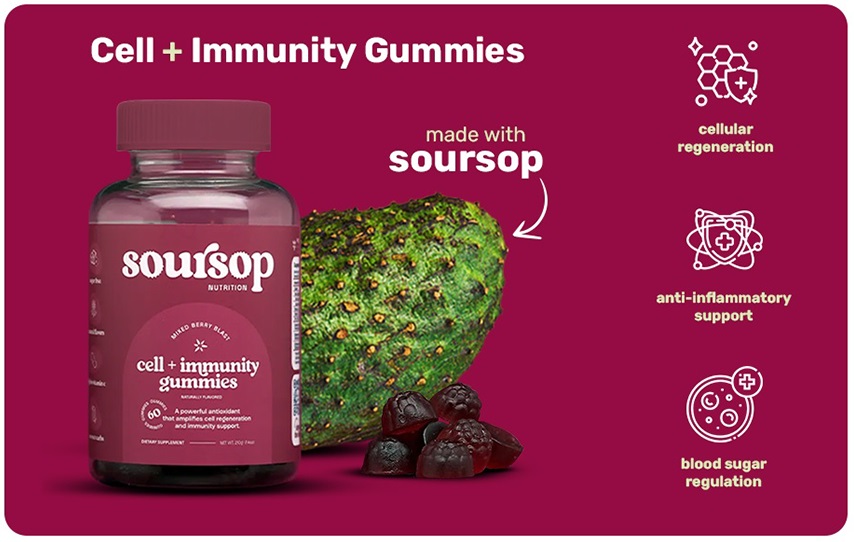
For most people, incorporating soursop into a digestive wellness routine means choosing a supplement rather than hunting for the fresh fruit. A high-quality soursop supplement, particularly one formulated with leaf extract and standardized for its active compounds, can deliver the fiber, flavonoids, acetogenins, and antioxidants that make soursop such a compelling botanical for gut health.
Consistency is the key word here. The gut microbiome and the intestinal environment respond to sustained support, not occasional bursts of attention. Taking a soursop supplement as part of a daily routine, alongside a diet rich in diverse plant foods and adequate hydration, gives the gut the conditions it needs to function at its best. The soursop tree has been a quiet ally to digestive health for centuries. Bringing that relationship into your modern supplement routine is simply a matter of making tradition work for you in a form that fits your life.
Frequently Asked Questions
Here are the questions people most often ask when they start looking into soursop as a digestive health supplement.
How Does Soursop Help with Digestion?
Soursop supports digestion through multiple mechanisms: its dietary fiber promotes healthy gut motility and feeds beneficial gut bacteria, its flavonoids reduce intestinal inflammation, its antioxidants protect the gut lining from oxidative damage, and its antimicrobial compounds may help maintain a balanced gut microbial environment.
Can Soursop Help with Bloating and Stomach Discomfort?
Traditional use across multiple cultures has long associated soursop with relief from stomach discomfort, nausea, and cramping. Laboratory research has identified anti-inflammatory and antispasmodic properties in soursop that may help explain this effect. While large-scale human trials are still limited, the convergence of traditional evidence and mechanistic research is encouraging.
What Is the Gut Microbiome and How Does Soursop Support It?
The gut microbiome is the community of trillions of microorganisms living in your intestines that influence immunity, mood, metabolism, and overall health. Soursop’s dietary fiber acts as a prebiotic, feeding beneficial bacterial strains that produce short-chain fatty acids essential for gut lining integrity and reduced systemic inflammation.
Does Soursop Have Any Effect on Stomach Ulcers?
Animal studies have found that soursop leaf extract demonstrates gastroprotective effects, reducing the formation of gastric lesions and helping maintain the stomach’s mucosal lining. Laboratory research has also shown that soursop extracts inhibit the growth of Helicobacter pylori, the bacterium most commonly linked to peptic ulcers. Human clinical trials are needed to confirm these effects.
Is a Soursop Supplement a Good Choice for Gut Health?
For people looking to support digestive wellness with a research-informed botanical, a high-quality soursop supplement is a compelling option. Look for a formulation that includes standardized leaf extract, is transparent about its active compound concentrations, and is manufactured under GMP-certified conditions with third-party purity testing.