
For most of medical history, treatment has worked on a pretty simple assumption: that people are more or less alike. You have high blood pressure, so you get a standard medication at a standard dose. You need to lose weight, so you’re handed a standard calorie target. You’re anxious or depressed, so you try the most commonly prescribed option first and see what happens.
That approach isn’t negligent — it’s just the best medicine could do with the tools it had. Doctors were working from population-level research, which tells you what works for most people on average. The problem is that “most people on average” doesn’t describe any actual individual very well. And for a lot of patients, the gap between average and personal has meant years of trial and error, side effects from medications that weren’t right for them, or diets and supplements that worked for everyone else but not for them.
Personalized medicine — sometimes called precision medicine — is an effort to close that gap. Instead of asking “what works for most people with this condition,” it asks “what will work for this specific person, given their unique biology.” And DNA is one of the most powerful tools driving that shift.
Why Individual Biology Matters More Than We Used to Realize
The human body runs on proteins. Enzymes that digest your food, receptors that receive hormonal signals, transporters that carry nutrients into cells — nearly every biological function depends on proteins doing their jobs correctly. And proteins are built according to instructions encoded in your DNA.
When two people have different versions of a gene, the proteins those genes produce can differ in meaningful ways. One person’s liver enzyme might break down a medication twice as fast as another person’s. One person’s serotonin transporter might recycle the neurotransmitter more aggressively, leaving less of it available in the brain. One person’s immune cells might respond to inflammatory signals more intensely than average, making them more reactive to dietary triggers or environmental stressors.
None of these differences show up in a standard blood panel. They’re not visible on a physical exam. But they have real consequences for how a person responds to drugs, diets, supplements, and lifestyle interventions. Personalized medicine is built on the premise that knowing these differences — and accounting for them — leads to better health outcomes.
The Limits of One-Size-Fits-All Recommendations
Consider something as basic as vitamin D supplementation. Public health guidelines recommend that most adults take somewhere between 600 and 800 IU per day. But research has shown that genetic variants affecting vitamin D receptors and the enzymes that activate vitamin D mean that some people need far more than that to reach adequate blood levels, while others do fine with less. A standard recommendation will be appropriate for many people and poorly matched for a significant number of others.
The same logic applies to macronutrient ratios, caffeine metabolism, omega-3 conversion, iron absorption, folate processing, and dozens of other nutritional factors. It applies even more dramatically to medications, where the consequences of a poor match can range from ineffectiveness to serious adverse effects.
Population Research vs. Personal Biology
Clinical research is typically designed to find treatments that work well across large groups of people. That’s genuinely valuable — it’s how medicine establishes that a drug is safe and effective in the first place. But population averages can obscure enormous individual variation. A drug that produces meaningful benefit in 60 percent of patients and causes problems in 20 percent might still clear clinical trials because the net effect across the full group looks positive. The 20 percent experiencing problems are a statistical footnote in the study, but they’re real people who needed a different approach.
Personalized medicine doesn’t replace population research. It uses that research as a foundation and then adds a layer of individual biological context — including genetics — to make better predictions about how a specific person will respond.
Where Genetic Testing Fits Into Personalized Medicine
DNA testing is one of several tools in the personalized medicine toolkit, alongside detailed biomarker testing, microbiome analysis, continuous glucose monitoring, and other technologies. What makes genetics particularly useful is that your DNA doesn’t change — you sequence it once and the data is relevant for life. Unlike a blood test that reflects your current state, a genetic test reflects your underlying biological architecture.
That makes genetic data useful for a specific category of health questions: not “what is happening in my body right now,” but “how is my body wired to handle certain things.” That distinction is worth keeping clear.
Pharmacogenomics: Matching Medications to Your Metabolism
One of the most clinically developed branches of personalized medicine is pharmacogenomics — the study of how your genes affect your response to medications. The liver enzymes responsible for metabolizing most drugs are encoded by a family of genes called CYP450. Variants in these genes can make you a fast, normal, or slow metabolizer of specific drug classes.
A slow metabolizer given a standard dose of certain antidepressants, for example, may end up with much higher blood levels of the drug than intended — increasing the risk of side effects. A fast metabolizer of the same drug may clear it so quickly that a standard dose never reaches therapeutic levels. Neither outcome is the patient’s fault, and neither would be obvious without genetic information. Pharmacogenomic testing is already being used in some clinical settings to guide prescribing decisions, and its use is expanding as the evidence base grows.
Nutrigenomics: Personalizing Diet and Supplementation
Nutrigenomics applies the same logic to food and supplements. Genes influence how your body digests and absorbs nutrients, how it converts dietary compounds into usable forms, and how it regulates hunger and satiety. This helps explain why a low-carbohydrate diet produces dramatic results for some people and modest results for others — or why two people eating identical diets can have very different cardiovascular risk profiles over time.
Nutrigenomic reports can identify tendencies like impaired folate metabolism, reduced ability to convert plant-based omega-3s into the forms your brain uses, or a genetic predisposition to low vitamin D levels. These findings don’t dictate exactly what you should eat, but they give you a more informed starting point than general dietary guidelines, which are designed for the average person rather than for you specifically.
Genetic Risk Assessment: Understanding Susceptibility
Genetic testing can also identify variants associated with higher susceptibility to certain conditions — elevated inflammation, autoimmune reactivity, impaired detoxification, blood sugar regulation challenges, and more. This isn’t the same as a diagnosis, and it’s not a prediction that those conditions will definitely develop. It’s more like knowing which weather systems your particular geography is prone to. That knowledge lets you take targeted preventive steps rather than waiting for symptoms to appear.
What Personalized Medicine Does Not Mean
It’s worth being clear about what personalized medicine is not, because the term sometimes gets used in ways that overstate what’s currently possible.
It does not mean that your genes determine your destiny. The science consistently shows that most health outcomes are shaped by both genetics and environment, and for the majority of common conditions, lifestyle factors carry significant weight alongside genetic predisposition. Knowing you have a genetic tendency toward elevated inflammation is most useful because it tells you where to focus your lifestyle efforts — not because it signals an inevitable outcome.
It also doesn’t mean that every health decision needs to be made through a genetic lens. For many common health goals — getting more sleep, reducing processed food intake, managing stress — the right advice is pretty consistent regardless of genetics. Personalized medicine adds the most value at the margins: when standard approaches aren’t working, when you’re choosing between multiple reasonable options, or when you want to be more precise about interventions that vary meaningfully by individual biology.
How This Shift Is Playing Out in Everyday Healthcare
Personalized medicine is moving from research settings into practical use faster than most people realize. Pharmacogenomic testing is available through many healthcare providers and is increasingly covered by insurance for certain patient populations. Genetic counselors work with individuals to interpret results related to disease risk and family planning. Functional medicine practitioners routinely incorporate nutrigenomic data into treatment planning.
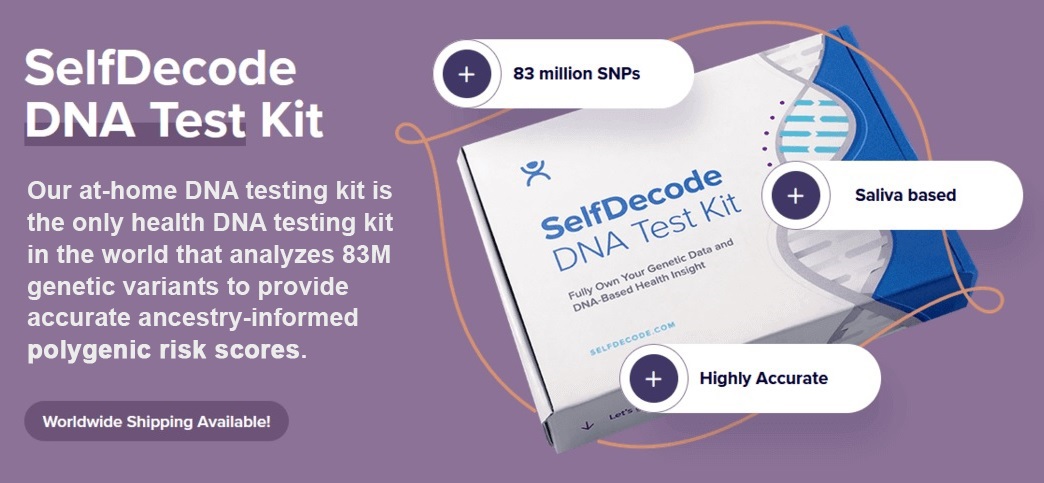
At-home DNA health platforms have made a version of this accessible to people outside the traditional healthcare system — putting genetic insights directly in the hands of individuals who want to take a more proactive approach to their health. The quality of these platforms varies, and the insights they offer are best used as one input among several rather than as a standalone guide. But they’ve brought a genuinely useful category of information within reach of anyone curious enough to ask for it.
The broader shift in medicine — away from average-based treatment and toward individual-based treatment — is still in progress. But the direction is clear, and the tools to participate in it, at least in a meaningful way, are already available. Understanding your own biology is no longer something that requires a research lab or a specialist referral. For a growing number of people, it starts with a saliva sample and a willingness to learn what the results actually mean.

Frequently Asked Questions
- What is the difference between personalized medicine and traditional medicine?
- Traditional medicine relies primarily on population-level research to guide treatment — what works for most people with a given condition. Personalized medicine incorporates individual biological data, including genetics, to tailor recommendations to a specific person’s unique biology. The two approaches are complementary rather than opposing.
- Is personalized medicine only for people who are already sick?
- Not at all. Some of its most valuable applications are preventive — identifying genetic tendencies toward certain conditions before symptoms develop, so that targeted lifestyle or medical interventions can be taken earlier. Many people use genetic health data proactively as part of a general wellness strategy.
- How reliable is genetic testing for predicting health outcomes?
- Reliability varies depending on the condition and the specific variants being analyzed. For some traits — like how your body metabolizes certain medications — the genetic associations are strong and well-established. For complex conditions influenced by many genes and environmental factors, genetic testing can identify tendencies and relative risk levels but cannot predict outcomes with certainty.
- Does my doctor need to be involved in interpreting my genetic health results?
- For general wellness insights, many people find genetic health reports useful on their own. However, if your results touch on medication metabolism, disease risk, or a specific medical condition you’re managing, involving a healthcare provider familiar with genomic medicine is worthwhile. The field of pharmacogenomics in particular is best navigated with clinical guidance.
- Will personalized medicine eventually replace standard medical guidelines?
- It’s more likely to refine and supplement existing guidelines than replace them. Population-level research will remain the foundation of medical evidence. Personalized medicine adds a layer of individual context that helps apply that evidence more precisely — producing better outcomes for more people without discarding the research base that medicine is built on.