
Once you’ve decided a testosterone supplement might be worth trying, the harder problem is figuring out which one. Labels are crowded with ingredients, most products use proprietary blends that hide actual doses, and marketing copy rarely matches what was tested in a real clinical trial. This guide walks through what the research actually used, so you can compare it against what’s sitting on a store shelf or a product page.
Ashwagandha: What the Effective Studies Actually Used
Ashwagandha has the most consistent supporting research of the commonly marketed ingredients, but the details of dose and extract type matter enormously. A systematic review of herbal supplements and testosterone found that a specific patented extract, KSM-66, produced a significant testosterone increase at 600 mg per day over 8 weeks in young men, and a separate trial found 675 mg per day produced a significant increase over 90 days in infertile men (systematic review, Advances in Nutrition). A separate randomized trial specifically used 300 mg of KSM-66 taken twice daily, standardized to more than 5 percent total withanolides by laboratory testing, and found improvements in sexual health measures (Chauhan et al., 2022, Health Science Reports).
What to Look for on a Label
The extract name and standardization matter as much as the milligram number. “Ashwagandha root extract” alone tells you little. Look specifically for a named, patented extract like KSM-66 or Shoden, along with a stated withanolide percentage, since these are the forms actually used in the trials that produced positive results. A product listing a generic “ashwagandha powder” at a high milligram count isn’t necessarily equivalent to a much smaller dose of a standardized, tested extract. Total daily doses in the 300 to 600 mg range for KSM-66 reflect what was actually studied.
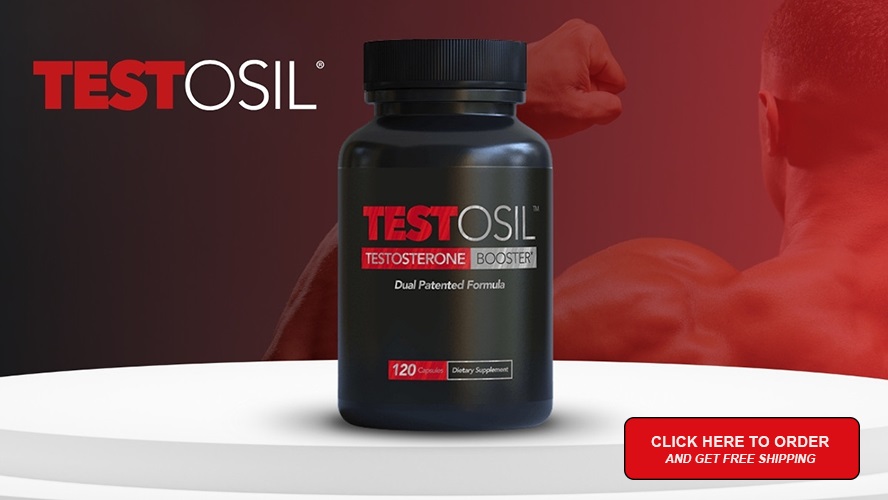
One detail that separates KSM-66 from many other ashwagandha products on the market is what part of the plant it’s made from. KSM-66 is extracted exclusively from the root, using a solvent-free, water-based process rather than alcohol or synthetic chemicals. Some cheaper ashwagandha extracts use the leaves as well, or instead, which can contain higher concentrations of withaferin A, a compound some researchers have flagged as a potential concern at elevated doses. Root-only extraction also reflects how ashwagandha has traditionally been used in Ayurvedic practice. A randomized, placebo-controlled trial using this specific root-only extract found it significantly improved sexual health and hormonal measures in men over an 8-week period, with a good overall safety profile (Chauhan et al., 2022, Health Science Reports). A product like the testosterone supplement Testosil that specifies KSM-66 root-only sourcing, rather than an unspecified plant part, is working from the same material the research was actually conducted on.
Zinc: A Narrow, Specific Dose Range Matters Here
The foundational research on zinc and testosterone comes from a controlled study that induced marginal zinc deficiency in young men through dietary restriction and found testosterone dropped by roughly 73 percent within 20 weeks. In the same body of research, zinc-deficient elderly men who received 30 mg per day of zinc as zinc gluconate for six months saw testosterone roughly double, from about 8.3 to 16.0 nmol/L (Prasad et al., 1996, Nutrition).
Why More Isn’t Better Here
This is a case where a label showing a much higher number isn’t a selling point. The recommended dietary allowance for zinc in adult men is 11 mg per day, and the tolerable upper intake level, the amount considered safe for regular long-term use, is 40 mg per day from all sources combined, according to the National Institutes of Health Office of Dietary Supplements. Supplemental doses in the 15 to 30 mg range are what the deficiency-correction research actually used and support. Chronic intake above the 40 mg upper limit carries a real risk of impairing copper absorption over time. If a product’s zinc dose is pushing well past 40 mg, especially combined with other zinc-containing ingredients on the same label, that’s a reason for caution rather than confidence.
Vitamin D: Dose Should Depend on Deficiency, Not a Flat Number
Vitamin D supplementation has shown a testosterone benefit specifically in men who were vitamin D deficient to begin with, in trials using daily doses in the range of roughly 3,000 to 3,500 IU. Unlike ashwagandha or zinc, vitamin D status genuinely varies a great deal by individual, sun exposure, and geography, so a product’s fixed dose is less important here than knowing your own blood level first. A supplement is a reasonable way to correct a confirmed deficiency; it’s a weaker bet as a blind addition without knowing where you actually stand.
Red Flags Worth Knowing
A few patterns show up consistently in products that don’t match the research behind their marketing claims.
Proprietary Blends That Hide Individual Doses
A label listing a “Testosterone Support Blend” with a combined total weight but no per-ingredient breakdown makes it impossible to know whether any single ingredient is present at a dose that was actually tested, or just present in a trace amount for the label. Products that disclose exact milligram amounts for each ingredient are easier to evaluate honestly, and their willingness to disclose is itself a modest positive signal.
Heavy Reliance on Tribulus Terrestris
Tribulus terrestris is one of the most common ingredients in this category and one of the weakest performers in actual trials among healthy men. A product leaning heavily on this ingredient, especially as a primary rather than minor component, is leaning on the weakest part of the current evidence base.
Zinc or Other Doses Well Above Established Safety Limits
As noted above, doses substantially exceeding the tolerable upper intake level aren’t a sign of a more powerful product, they’re a sign of a product that either doesn’t account for cumulative intake from other sources or is prioritizing an impressive-looking number over what the safety and efficacy research actually supports.
Putting This Together When Comparing Products
A reasonable approach is to check a product’s label against three questions: does it name specific, standardized extracts rather than vague generic ingredient names, do the doses fall within the ranges actually used in the studies that showed an effect, and does it disclose individual ingredient amounts rather than hiding them in a blend. A product that does all three isn’t guaranteed to work for you individually, since even well-supported ingredients like ashwagandha and zinc show their clearest benefit in men who are actually deficient or under specific conditions like training stress. But a product built around dosing and forms that match the actual research is a meaningfully more defensible choice than one built around ingredients or amounts chosen primarily for label appeal.
Frequently Asked Questions
A few common questions on this topic, based on what current research actually supports.
What Ashwagandha Dose Should I Look For?
Studies showing a testosterone benefit generally used 300 to 675 mg per day of a standardized extract like KSM-66, specifically identified by name and withanolide percentage rather than a generic ashwagandha powder.
Is More Zinc Always Better in a Testosterone Supplement?
No. Effective doses in deficiency-correction research were around 15 to 30 mg per day. The tolerable upper limit is 40 mg per day from all sources, and chronic intake above that can impair copper absorption.
Should I Take Vitamin D for Testosterone Without Testing My Levels First?
It’s a weaker approach than testing first. Vitamin D’s testosterone benefit has been shown specifically in men who were deficient, so knowing your actual blood level makes supplementation a more informed decision.
What’s a Red Flag on a Testosterone Supplement Label?
Proprietary blends that hide individual ingredient doses, heavy reliance on Tribulus terrestris, and doses well beyond established safety limits like zinc’s 40 mg upper intake level are all worth treating with caution.