
Ask five women about their perimenopause experience and you’ll likely get five different stories. One started noticing irregular cycles and sleep disruption at 36 and assumed something else was wrong, since nobody had mentioned perimenopause could start that early. Another sailed through her late 40s with barely a ripple, only recognizing the transition in hindsight. A third dealt with intense hot flashes for years while her sister, going through the same stage around the same age, had almost none.
Popular descriptions of perimenopause tend to flatten all of this into a single narrative: hot flashes, mood swings, irregular periods, starting sometime in your mid-40s. It’s not wrong, exactly. It’s just incomplete, because it treats a highly variable biological transition as though it happens the same way, on the same schedule, for everyone.
A meaningful part of that variation, both in timing and in which symptoms show up and how intensely, traces back to genetics. Understanding this doesn’t make the transition predictable. It does explain why your experience might look nothing like your mother’s, your sister’s, or your closest friend’s, without any of you doing anything differently.
Perimenopause Is a Transition, Not a Single Event
Perimenopause refers to the years leading up to menopause, during which hormone production gradually becomes less predictable before eventually declining. Unlike menopause itself, which is defined by a specific point in time, twelve consecutive months without a period, perimenopause is a stretch that can last anywhere from a few years to closer to a decade. That length alone creates enormous room for individual variation, and genetics is one of the main forces shaping how that stretch unfolds for any particular person.
Why the Age of Onset Varies So Much
The average age range for perimenopause onset is broad enough that “average” barely functions as a useful guide. Some women notice changes as early as their mid-30s. Others don’t notice meaningful shifts until their late 40s. Genetics is a significant part of why.
Genetic Clues to Ovarian Aging Pace
Several genes have been studied for their association with the pace of ovarian aging, essentially how quickly egg supply and hormone production decline over time. Variants in genes involved in DNA repair, hormone signaling, and follicle development are associated with earlier or later onset of perimenopause in different studies. None of these genes act alone or with certainty; they contribute to a tendency rather than dictating an exact age. But they help explain why two women with similar lifestyles and health histories can begin this transition years apart.
Family History as a Rough Predictor
Because a real portion of onset timing is genetic, family history often provides a useful, if imperfect, clue. If your mother or older sisters experienced early perimenopause, there’s a reasonable chance your own timeline might trend earlier as well, though this is a pattern, not a rule. It’s worth mentioning to a doctor if you’re noticing symptoms and wondering whether they’re arriving unusually early or simply falling within a wide range of normal.
The Genetics Behind Hot Flashes and Night Sweats
Hot flashes are perhaps the most stereotyped perimenopause symptom, and also one of the more genetically variable. Some women experience them intensely and frequently for years. Others have few or none at all, even at a similar hormonal stage.
Estrogen Receptor Sensitivity
Variants in genes affecting estrogen receptor sensitivity influence how strongly the body reacts to fluctuating and declining estrogen levels. Someone with more sensitive receptors may experience more pronounced symptoms from the same degree of hormonal change compared to someone whose receptors respond less dramatically. This is part of why hot flash severity doesn’t line up neatly with hormone levels alone; the body’s sensitivity to those levels matters just as much.
COMT and Temperature Regulation
The COMT gene, involved in clearing stress hormones like epinephrine and norepinephrine, also plays a role in how the body regulates temperature under stress. Variants that slow this clearance process can make the body’s internal thermostat more reactive, which may contribute to more frequent or intense hot flashes and night sweats during perimenopause. Combined with estrogen receptor sensitivity, this helps explain why temperature-related symptoms vary so widely from person to person, even among women going through the same basic hormonal transition.
Mood and Sleep Changes During the Transition
Mood changes and sleep disruption are common during perimenopause, and genetics plays a role here too, though it’s rarely the only factor. Variants affecting serotonin regulation and stress hormone metabolism can influence how sensitive someone’s mood and sleep quality are to hormonal fluctuation. Someone with a genetic tendency toward mood sensitivity may notice irritability or anxiety more prominently during this transition, while someone else with the same hormonal shifts might notice mainly physical symptoms, or very little at all. This isn’t a reflection of resilience or willpower. It’s a difference in underlying biology responding to the same broad process.
Why Two Women in the Same Stage Can Have Such Different Experiences
Put all of this together, ovarian aging pace, estrogen receptor sensitivity, temperature regulation genetics, mood-related pathways, and it becomes clear why perimenopause resists a single, tidy narrative. Two women can be at nearly identical points in the hormonal transition and have almost nothing in common in terms of symptoms, timing, or intensity. Neither experience is more “normal” than the other. They’re simply shaped by different genetic starting points responding to a broadly similar biological process.
Your Transition, on Your Own Terms
Perimenopause was never going to follow a single script, no matter how often it gets described that way. Your timing, your symptoms, and how intensely you experience them are shaped by a genetic profile that’s entirely your own, layered on top of a hormonal process that unfolds a little differently in every body.
Understanding some of the genetic reasons behind your particular experience won’t change the transition itself, but it can replace comparison and confusion with a clearer sense of why your version looks the way it does, and what might actually help.

Frequently Asked Questions
What age does perimenopause typically start?
There’s a wide range, with many women noticing changes sometime in their 40s, though onset as early as the mid-30s or as late as the late 40s also falls within a normal range. Genetics, along with other individual factors, contributes significantly to this variation.
Why do some women get severe hot flashes while others barely notice them?
Hot flash severity is influenced by more than hormone levels alone. Genetic factors affecting estrogen receptor sensitivity and temperature regulation, including variants in genes like COMT, can make some people’s bodies react more intensely to the same degree of hormonal change.
Does family history predict when I’ll start perimenopause?
It can offer a useful clue, since genetics plays a real role in ovarian aging pace and onset timing. It’s not a guarantee your experience will match your mother’s or sister’s exactly, but a pattern of early onset in close relatives is worth mentioning to a doctor.
Are mood changes during perimenopause just about hormones?
Hormonal fluctuation is a major factor, but genetic variants affecting serotonin regulation and stress hormone metabolism can influence how sensitive an individual’s mood is to those fluctuations. This is part of why mood symptoms vary so much between women experiencing similar hormonal shifts.
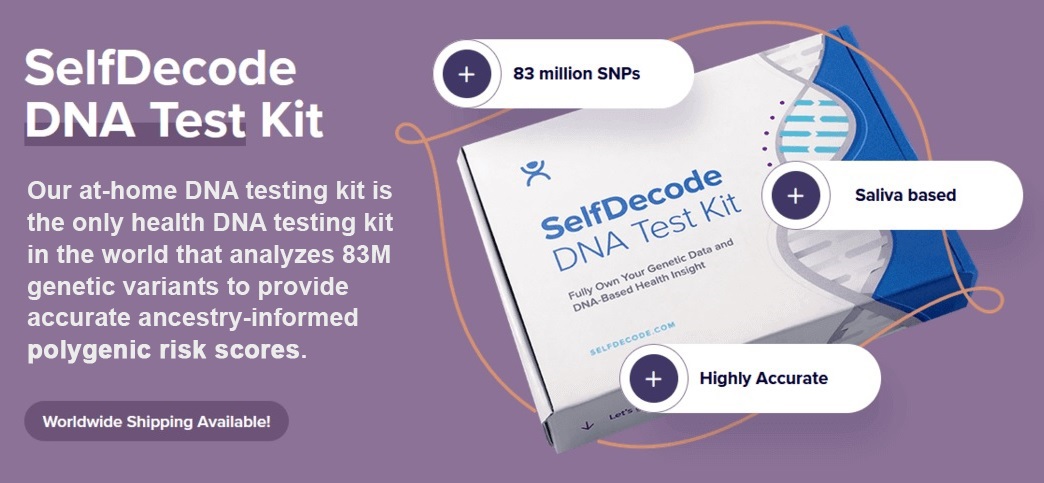
Is there a genetic test that can tell me exactly when I’ll start perimenopause?
No test can predict an exact age. Genetic information can point toward tendencies, such as a predisposition toward earlier or later ovarian aging, but perimenopause onset is influenced by multiple genetic and non-genetic factors working together, so it’s best understood as a general tendency rather than a precise prediction.