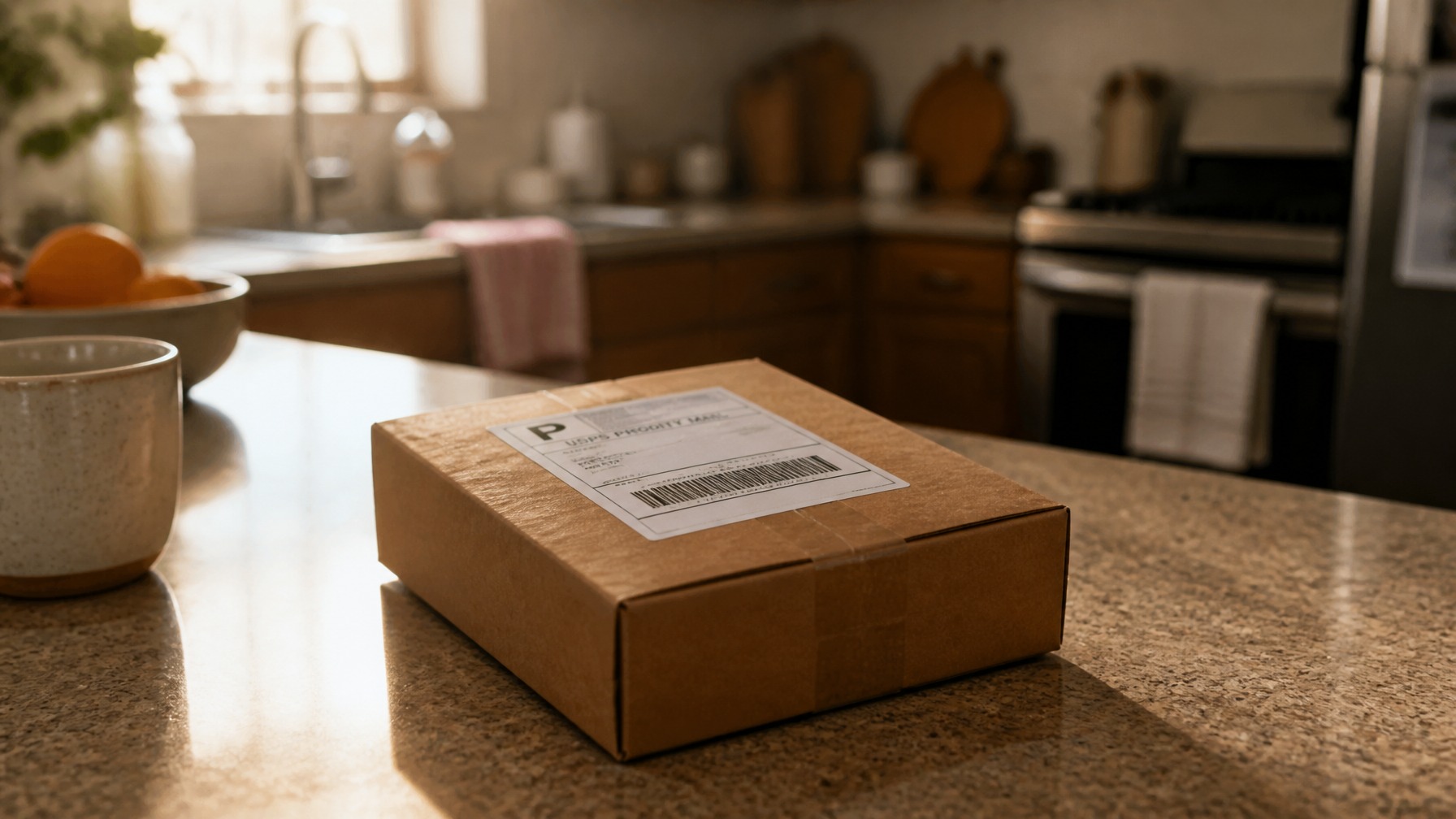
Skipping the clinic and testing your testosterone from your kitchen table sounds appealing, and a growing number of companies now make it possible with a mail-in kit. The real question is whether the results you get back are trustworthy enough to act on. The answer depends heavily on which type of at-home test you’re using, since the various methods on the market are not equally accurate.
The Three Main At-Home Testing Methods
At-home testosterone tests generally fall into three categories: saliva tests, finger-prick dried blood spot tests, and blood lancet devices that draw a slightly larger sample from the upper arm. Each has a different level of research support behind it.
Saliva Testing
Saliva testosterone testing has a reasonable body of research behind it, more than many people expect. Researchers using a precise laboratory method called liquid chromatography tandem mass spectrometry, or LC-MS/MS, found that testosterone can be reliably and accurately measured in saliva samples from adult men, and that a single morning sample was consistent enough to serve as a reasonable snapshot of an individual’s hormone status (Keevil et al., 2014, Annals of Clinical Biochemistry). That said, saliva testing only captures free testosterone, the small unbound fraction of the hormone, not total testosterone. A separate evaluation also raised a specific caution: salivary testosterone doesn’t map directly onto serum free testosterone due to how the hormone binds to proteins in saliva, an effect that matters more at the low concentrations typical in women than in the higher concentrations typical in men (Fiers et al., 2014, Steroids).
Finger-Prick Dried Blood Spot Testing
This is the most common at-home blood test format, and the research on its accuracy has genuinely improved in recent years. A 2024 validation study using LC-MS/MS found a strong correlation between testosterone measured in dried blood spots and testosterone measured in venous serum, the standard clinical method, with an R-squared value of 0.99 across the samples tested (Gruenstein, 2024, Analytical Science Advances). That’s a genuinely strong correlation. The practical caveat is that this level of accuracy depends entirely on the sample being collected correctly and analyzed with a validated method like LC-MS/MS. A poorly filled card, an insufficient blood volume, or a lab using a less rigorous assay method can all introduce error that a well-run validation study wouldn’t reflect.
Blood Lancet Devices
Some newer at-home kits use a lancet device that draws a larger capillary blood sample from the upper arm rather than a finger, aiming to reduce the sample-quality problems that can affect a simple finger prick. A separate validation of this kind of microsampling device found a strong correlation with venous plasma testosterone levels, with a correlation coefficient of 0.95 across more than 100 volunteers (ScienceDirect, 2025, Clinica Chimica Acta). This approach appears to reduce some of the collection variability associated with a basic finger-prick card.

Why Collection Technique Matters as Much as the Method
Across all of these at-home formats, a recurring theme in the research is that the underlying laboratory method can be highly accurate while still producing an unreliable result if the sample itself is collected poorly. Squeezing a finger too hard to produce enough blood can damage red blood cells in a way that skews results, a phenomenon called hemolysis. An underfilled card, a sample that sits too long in a hot mailbox, or blood drawn at the wrong time of day can each introduce error that has nothing to do with how good the lab’s equipment is. This is part of why the same testing method can perform very differently between a controlled validation study and a real-world kit used by someone at home for the first time.
Why Timing Still Matters, Even at Home
Testosterone follows a daily rhythm and is typically highest in the morning. Both the clinical guidelines for standard lab testing and the salivary testing research point to the same recommendation: samples should be collected in the morning, generally before 10 a.m., for the result to reflect a meaningful baseline. An at-home testosterone kit doesn’t remove this requirement. A sample collected in the afternoon or evening, regardless of the collection method, can produce an artificially low reading that doesn’t reflect your actual typical level.
What This Means for Whether At-Home Testing Is Worth It
At-home testing can be a reasonable way to get an initial read on your testosterone level, particularly if you’re using a method backed by real validation data, like a properly analyzed dried blood spot or lancet sample, and you follow the collection instructions carefully. What it isn’t is a replacement for a formal diagnosis. Every major clinical guideline still calls for a diagnosis based on standard venous blood draws, typically two separate morning samples, before anyone makes a treatment decision. If an at-home test comes back low, the reasonable next step is a conversation with a doctor and a proper lab-drawn confirmation, not a direct jump to a treatment purchase based on the at-home number alone.
Frequently Asked Questions
A few common questions on this topic, based on what current research actually supports.
Are Saliva Testosterone Tests Accurate?
Research using precise lab methods has found saliva testosterone measurement can be reliable, but it only reflects free testosterone, not total testosterone, and doesn’t map perfectly onto serum measurements.
How Accurate Are Finger-Prick Testosterone Tests?
Recent validation studies using dried blood spot samples analyzed by LC-MS/MS have shown strong correlation with standard venous blood tests, though accuracy depends heavily on correct sample collection.
Can an At-Home Test Replace a Doctor’s Diagnosis?
No. Clinical guidelines require standard venous blood draws, typically on two separate mornings, before a diagnosis of low testosterone is made.
Does Timing Matter for At-Home Tests?
Yes. Testosterone is highest in the morning, so at-home samples should generally be collected before 10 a.m. to produce a meaningful result, just as with standard lab testing.