
Adolescence is a period of significant ongoing brain development, and DHA remains a structural component of neuronal tissue throughout this window, not just during early childhood. That has led researchers to look specifically at whether omega-3 status affects attention, mood, and related concerns in teenagers. The findings are genuinely mixed depending on which outcome is being studied, and it is worth understanding where the evidence is stronger and where it remains preliminary before drawing conclusions about any individual teen.
Why Teen Brain Development Still Depends on DHA
While the most dramatic period of brain growth happens in infancy, the brain continues developing structurally and functionally throughout adolescence, including ongoing myelination and synaptic refinement in regions tied to attention, impulse control, and emotional regulation. DHA remains a major structural component of neuronal cell membranes throughout this period, which is the basic rationale for why researchers have continued studying omega-3 status specifically in teenagers rather than assuming its relevance ends after early childhood.
Blood Levels and Behavior
Research comparing fatty acid profiles has found that adolescents with attention difficulties continue to show blood omega-3 patterns that differ meaningfully from typically developing peers, a pattern first documented in younger children and shown to persist into the teen years. One analysis pooling data across multiple studies found that children and teens with ADHD had blood omega-3 levels averaging substantially lower than peers without the diagnosis.
What the Research Shows About Focus and Attention
The research on omega-3 and attention-related symptoms in young people is more developed than for most other outcomes, though it comes with real caveats worth understanding.
A Meaningful but Modest Effect
A meta-analysis pooling data from ten randomized controlled trials involving nearly 700 children with ADHD found a statistically significant benefit from omega-3 supplementation, with the effect notably stronger at daily doses in the 500 to 750 milligram EPA range. It is important to be direct about the scale of this benefit: it was measurably smaller than the effect size seen with standard stimulant medications used to treat ADHD, meaning omega-3 is better understood as a modest, adjunctive option rather than a replacement for established treatment.
Where the Evidence Is Less Consistent
Not every trial has found a benefit. A study of adolescent boys with ADHD using a similar fatty acid combination found supplementation improved blood omega-3 levels as expected but showed no measurable effect on aggression, impulsivity, or anxiety, illustrating that raising blood levels does not automatically translate into a noticeable behavioral change for every individual or every measured outcome.
What the Research Shows About Teen Mood
Interest in omega-3 and adolescent mood has grown alongside rising rates of depression and anxiety diagnoses in this age group, but the research base here remains notably thinner than for attention-related outcomes.
A Real Gap in the Research
Researchers reviewing this area have specifically pointed out that young people aged 14 to 24 represent a genuine gap in the literature, with no systematic reviews or meta-analyses focused specifically on omega-3 for depression and anxiety in that age range, despite this group’s elevated risk for both conditions. Most existing trials have focused on either younger children or adults, leaving a meaningful evidence gap for the teen years specifically.
Encouraging Signals From Related Research
A small pilot trial in children and adolescents with depressive disorder found that an omega-3 formulation added alongside standard treatment was associated with improvement in depression ratings over a 12-week period, though this was a single pilot study rather than a large, confirmed trial, and larger research explicitly focused on the teen age range specifically is still needed.
This Is Not a Substitute for Professional Care
For any teenager experiencing persistent attention difficulties, low mood, or anxiety significant enough to affect daily functioning, omega-3 supplementation should be considered, if at all, as a possible complement to professional evaluation and established treatment, not a stand-alone alternative to it. A pediatrician, family doctor, or mental health professional is the appropriate first step for assessing what a teenager actually needs, and any decision about supplementation is best made as part of that broader conversation rather than independently.
Why Algae Oil Is a Sensible Source for Teens
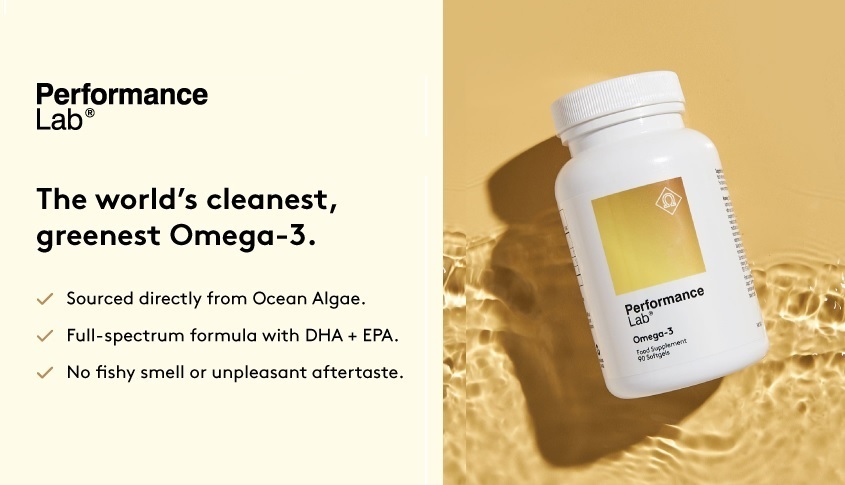
For families interested in supporting general omega-3 status during adolescence, algae oil offers preformed DHA and EPA without the allergy risk associated with fish or shellfish proteins, which matters for a population that includes some of the highest rates of new food allergy diagnoses. It also avoids the mercury exposure concerns tied to certain fish species, relevant for a rapidly growing body, and it works well for teens following a vegetarian or vegan diet who would otherwise rely on inefficient plant-based ALA conversion to reach adequate DHA and EPA levels.
A Realistic Summary
The research on omega-3 and teenagers is strongest, though still modest, for attention-related outcomes, and considerably thinner and less conclusive for mood and anxiety specifically in this age group. Omega-3 is reasonably well tolerated and carries a favorable safety profile compared to many other interventions, which is part of why it continues to draw research interest as a low-risk, adjunctive option, but the evidence does not yet support treating it as a proven, standalone solution for either focus or mood concerns in teenagers.
Frequently Asked Questions
Does Omega-3 Actually Help Teens with ADHD Symptoms?
Research shows a statistically significant but modest benefit, notably smaller than the effect of standard stimulant medication, with the strongest results seen at daily doses in the 500 to 750 milligram EPA range in studies involving children and teens with ADHD.
Is There Good Research on Omega-3 for Teen Depression and Anxiety?
Not yet. Researchers have specifically identified young people aged 14 to 24 as an understudied group for omega-3 and mood, with no dedicated systematic reviews or meta-analyses focused on this age range despite elevated rates of depression and anxiety.
Can Omega-3 Replace ADHD Medication in Teens?
No. Research consistently shows the effect of omega-3 supplementation on ADHD symptoms is meaningfully smaller than that of standard stimulant medications, so it is better understood as a possible adjunctive option rather than a replacement for established treatment.
Why Would a Teenager Need DHA If Brain Growth Slows After Childhood?
While the most rapid brain growth happens in early childhood, the brain continues developing structurally through adolescence, including ongoing myelination and synaptic changes in regions tied to attention and emotional regulation, and DHA remains a structural component of neuronal membranes throughout this period.
Should a Teen Talk to a Doctor Before Taking Omega-3 for Focus or Mood?
Yes. Persistent attention or mood difficulties that affect daily functioning warrant a proper evaluation by a pediatrician or mental health professional, and any decision about omega-3 supplementation is best made as part of that broader conversation rather than as a standalone approach.